Egypt Travel Mistakes to Avoid: Practical Advice for a Smoother Trip
Most problems travelers experience in Egypt are avoidable.
They usually don’t come from dramatic events. More often, they come from small planning mistakes: building an itinerary that’s too ambitious, underestimating travel time, relying too heavily on cards, arriving without the right visa paperwork, wearing the wrong shoes, or trying to sightsee through the hottest part of the day.
Egypt is easier to travel when you understand how the country actually works rather than assuming the same habits you use at home will transfer perfectly.
The goal of this guide isn’t to make you nervous. It’s to help you recognize the mistakes that create unnecessary stress so you can avoid them before they affect your trip.
Quick Answer
The biggest Egypt travel mistakes to avoid are:
- Trying to see too much in too little time
- Treating Cairo, Luxor, Aswan, and the Red Sea as though they are close together
- Waiting until the last minute to deal with your visa
- Assuming cards will work everywhere
- Relying on Uber throughout the entire country
- Underestimating Egypt’s summer heat
- Wearing unsuitable shoes for archaeological sites
- Treating every price as fixed—or every price as negotiable
- Accepting unsolicited help and then being surprised by requests for tips
- Packing only for daytime temperatures
- Assuming every tourist attraction works exactly the way it did on a previous trip or in an old guidebook
- Trying to experience Egypt entirely through a checklist
Several of these sound minor. In practice, they can significantly change the quality of your trip.
Mistake 1: Trying to See Too Much
This is probably the most common itinerary mistake.
Egypt has so many recognizable destinations that first-time visitors naturally want to include everything: Cairo, Giza, Alexandria, Luxor, Aswan, Abu Simbel, a Nile cruise, Hurghada, and perhaps even Siwa or the White Desert.
The problem is not the number of places. It is the travel between them.
A seven-day itinerary that includes Cairo, Alexandria, Luxor, Aswan, Abu Simbel, and the Red Sea may look possible when each destination is reduced to a line on a spreadsheet. Once airport transfers, hotel changes, domestic flights, long road journeys, cruise schedules, and sightseeing are added, the trip can become an exhausting sequence of departures.
For most first-time visitors, seven to 10 days is better used for a focused Cairo–Luxor–Aswan itinerary than for trying to cover most of the country.
If you have only four days, concentrate on Cairo and Giza. With five or six days, adding Luxor or a carefully chosen day trip such as Alexandria or Fayoum can work. Longer trips create room for the Red Sea and other regions.
Better approach: Plan by realistic travel time, not by the number of attractions you can fit on a map.
Read How Many Days Do You Need in Egypt? before finalizing your itinerary.
Mistake 2: Treating Travel Days as Sightseeing Days
A one-hour domestic flight does not consume only one hour.
You still need to leave your hotel, reach the airport, check in, pass through security, board, collect your luggage, reach your next accommodation, and check in again.
The same applies to trains and road transfers.
This matters when travelers write itineraries such as:
Morning flight Cairo to Luxor → Valley of the Kings → Karnak → Luxor Temple → evening train to Aswan.
Technically, parts of that may be possible. That doesn’t make it a good travel day.
Egypt rewards travelers who leave some margin. A delayed flight, heavy Cairo traffic, longer-than-expected temple visit, or slow hotel check-in should not destroy the rest of your schedule.
Better approach: Treat major intercity transfers as partial travel days and avoid stacking several important attractions immediately around them.
Mistake 3: Waiting Too Long to Sort Out Your Visa
Visa requirements are not something to resolve casually at the airport.
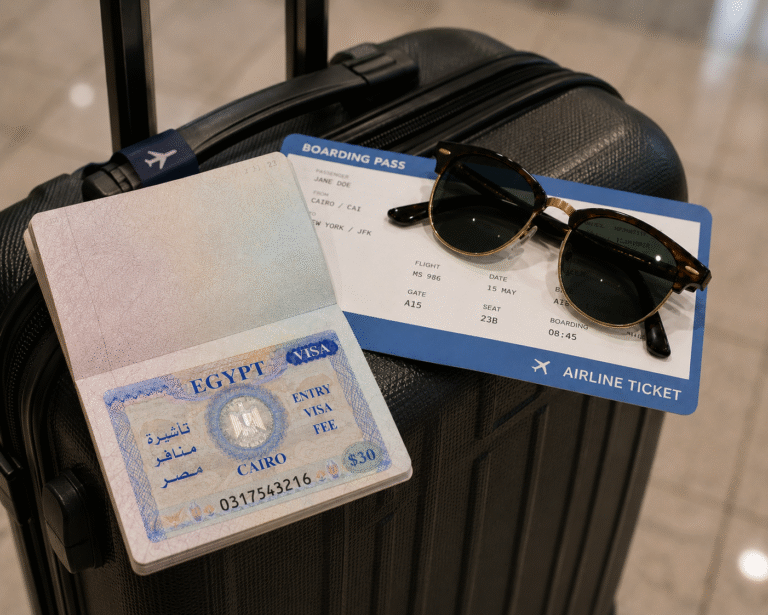
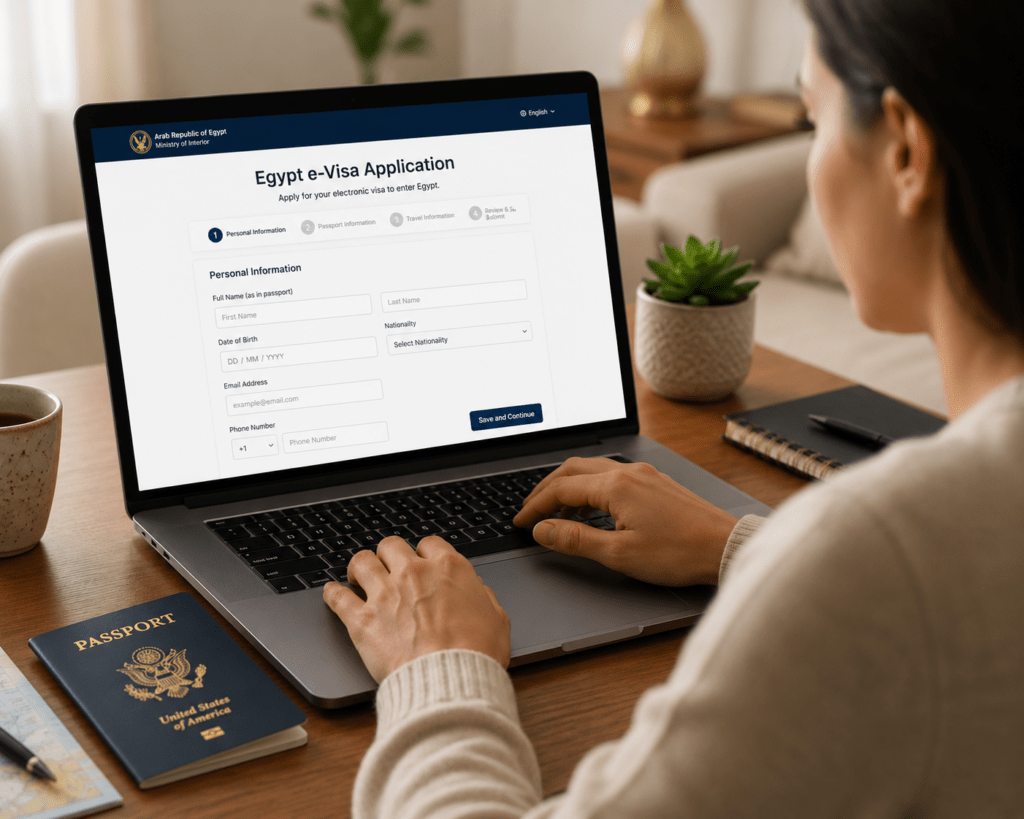
Egypt’s official e-Visa portal currently states that eligible applicants should create their e-Visa application at least seven days before departure. It also currently requires a passport valid for at least six months from the arrival date and lists a printed e-Visa among the documents travelers using that system should present on arrival.
Your exact visa process depends on nationality and travel circumstances, so another traveler’s experience should not be treated as your own instructions.
Better approach: Confirm your requirements from Egypt’s official visa system before booking around assumptions about Visa on Arrival, e-Visa eligibility, or embassy processing.
Read the Egypt Visa Guide.
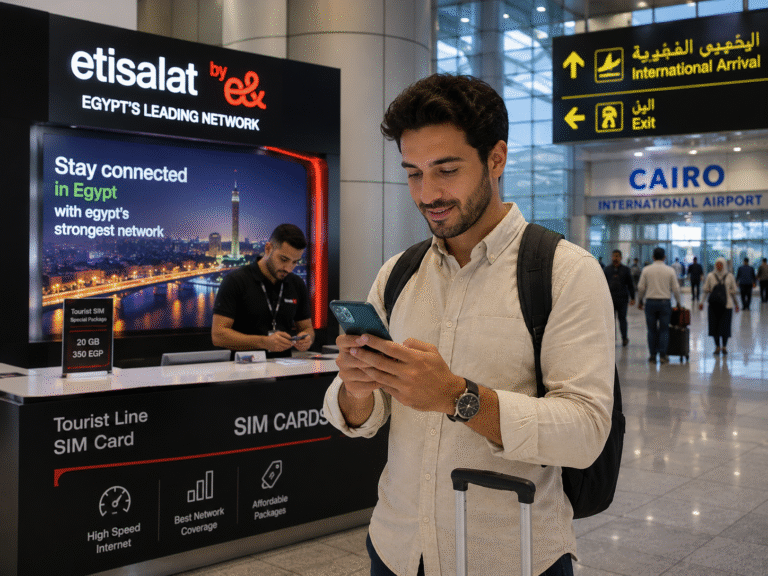
Mistake 4: Assuming Your Phone Will Just Work
Travelers increasingly depend on their phones for transportation, maps, hotel communication, airline updates, tickets, banking, and translation.
Discovering after landing that your roaming plan is expensive, your phone is carrier-locked, or your banking verification messages aren’t reaching you can create avoidable problems.
Egypt’s major tourist destinations have good mobile connectivity, and local SIM cards and eSIMs make staying connected relatively straightforward.
The mistake is waiting until you need data to think about it.
Better approach: Before flying, decide whether you will use roaming, an eSIM, or an Egyptian SIM. Check whether your phone is unlocked and whether your banking authentication will continue working abroad.
See Egypt SIM Cards & Internet Guide for the detailed options.
Mistake 5: Assuming Credit Cards Will Work Everywhere
Cards are increasingly useful in Egypt, particularly at larger hotels, established restaurants, shopping centers, airlines, and many tourism businesses.
That does not mean Egypt has become a cashless destination.
Small shops, tips, local cafés, taxis, markets, and other everyday transactions may still require Egyptian pounds.
Travelers who arrive planning to put every expense on one credit card often discover this at an inconvenient moment.
The opposite mistake is carrying a huge amount of cash from home.
Better approach: Use a combination of cards and Egyptian pounds. Keep a backup payment method stored separately and understand your ATM and foreign transaction fees before traveling.
See Money in Egypt: Currency, ATMs & Credit Cards for the complete strategy.
Mistake 6: Accepting Dynamic Currency Conversion
When an ATM or card terminal offers to convert an Egyptian-pound transaction into your home currency, the option can look helpful.
It often isn’t.
Dynamic Currency Conversion allows the ATM or merchant’s payment provider to perform the conversion rather than leaving it to your own bank or card network. That conversion can include an unfavorable exchange rate or additional markup.
Better approach: When given a choice, generally select the transaction in Egyptian pounds (EGP) and let your own card issuer perform the currency conversion, while still checking your bank’s own foreign transaction fees.
Mistake 7: Expecting Uber Everywhere
Uber is extremely useful in Cairo and Alexandria.
That convenience leads some visitors to assume they can land anywhere in Egypt and use the same strategy.
They cannot.
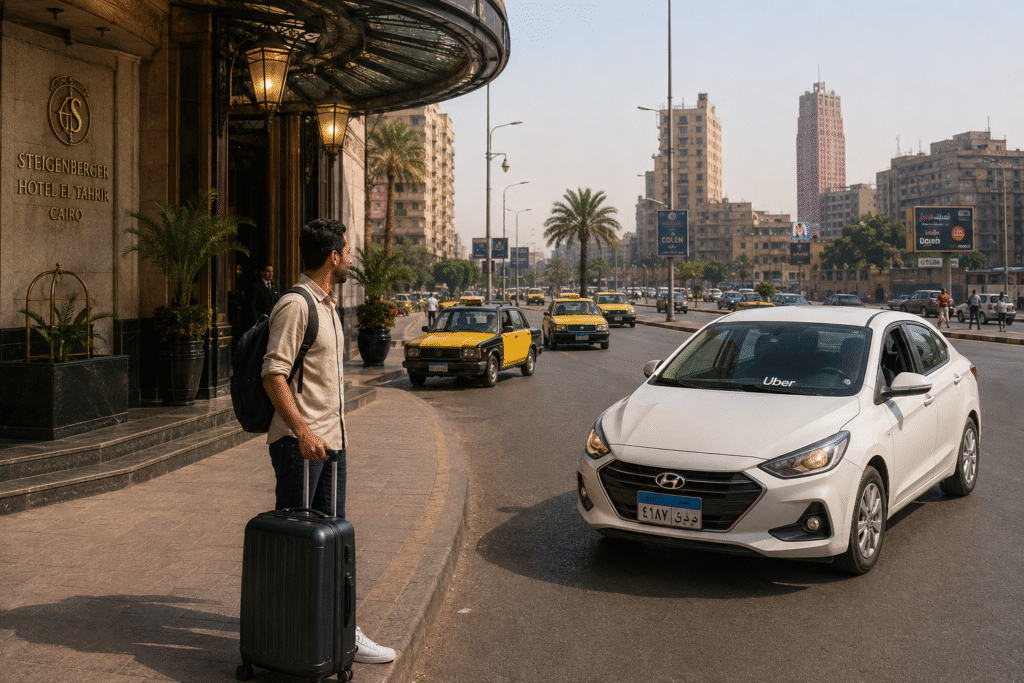
Ride-hailing coverage and reliability vary considerably by destination. Luxor and Aswan, for example, depend much more heavily on traditional taxis, hotel transportation, and private drivers.
Better approach: Use ride-hailing where it is well established, but research how local transportation actually works in each destination.
Read Transportation in Egypt and Uber vs. Taxis in Egypt before your trip.
Mistake 8: Negotiating Every Taxi Ride After You Arrive
Traditional taxis remain useful throughout Egypt, particularly outside Cairo and Alexandria.
The mistake isn’t using them. The mistake is getting in without understanding how the fare will be determined.
Where a meter is being used properly, the situation is straightforward. Where it is not, clarify the price before departure rather than negotiating after you have already reached your destination.
Hotels can also help arrange reliable drivers when you’re uncertain about local transportation.
Better approach: Establish how the fare will be calculated before the journey begins.
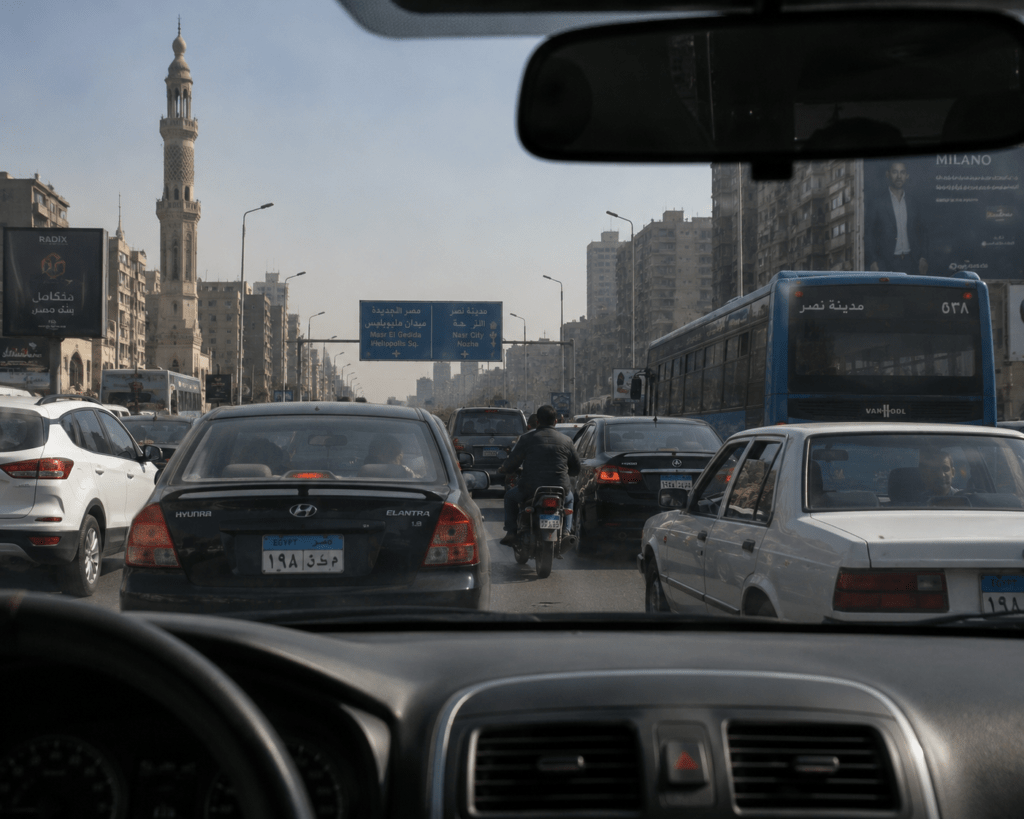
Mistake 9: Underestimating Cairo Traffic
A destination that looks 10 kilometers away on a map may not be a quick ride.
Traffic conditions can dramatically change travel times in Cairo, particularly during busy periods.
This becomes important when travelers schedule a museum visit, restaurant reservation, airport departure, and evening activity with minimal time between each.
The most costly version of this mistake is leaving too little time for Cairo International Airport because the traveler estimated the journey based purely on distance.
Better approach: Build buffers into important journeys and check current traffic conditions rather than relying on distance alone.
Mistake 10: Underestimating the Summer Heat
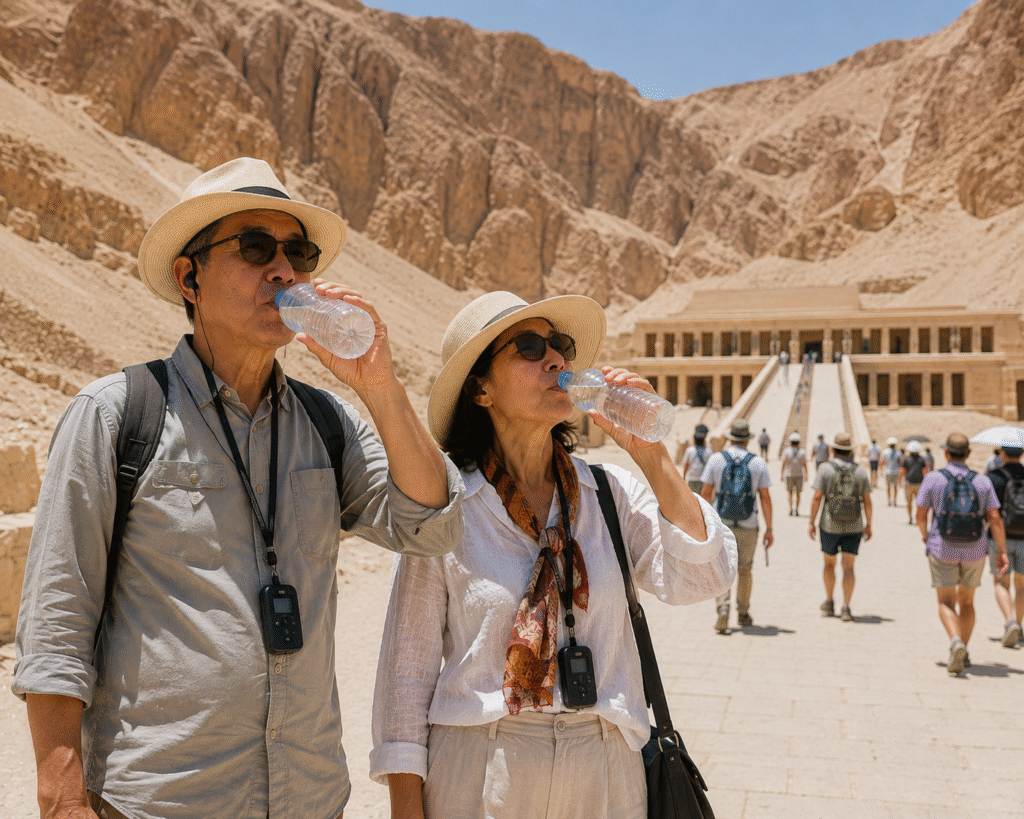
Egypt remains visitable in summer, but Upper Egypt requires a very different sightseeing strategy.
In the hottest months, Luxor and Aswan regularly experience daytime temperatures around or above 40°C (104°F).
A sightseeing schedule that works perfectly in January can become exhausting in July.
Trying to visit the Valley of the Kings, Karnak, Luxor Temple, and several additional outdoor sites through the hottest afternoon hours is not a badge of efficient travel. It is an unnecessarily difficult day.
Better approach: Start outdoor sightseeing early, schedule indoor activities or rest during the hottest hours, drink regularly, and accept that you may see fewer sites in a day during extreme heat.
Read Egypt Weather by Month, Best Time to Visit Egypt, and Drinking Water in Egypt before building your schedule.
Mistake 11: Checking “Egypt Weather” Instead of Your Actual Destinations
Egypt does not have one uniform climate.
Alexandria, Cairo, Luxor, Aswan, and the Red Sea can have noticeably different conditions during the same week.
A traveler who checks Cairo’s forecast and packs for the entire country may arrive in Aswan significantly underprepared for the heat—or reach Alexandria in winter without expecting cooler, wetter weather.
Better approach: Check seasonal conditions for every major destination on your itinerary, then check actual forecasts shortly before departure.
Mistake 12: Packing Only for Hot Weather
Egypt’s reputation for heat causes another predictable mistake: visitors pack nothing warm.
Winter afternoons can be pleasantly sunny, while early mornings and evenings can feel genuinely cool, particularly in Upper Egypt, desert regions, and on the Nile.
Early departures for Abu Simbel are a good example. What feels comfortable later in the day may feel quite different before sunrise.
Better approach: Pack lightweight layers rather than assuming every hour in Egypt will be hot.
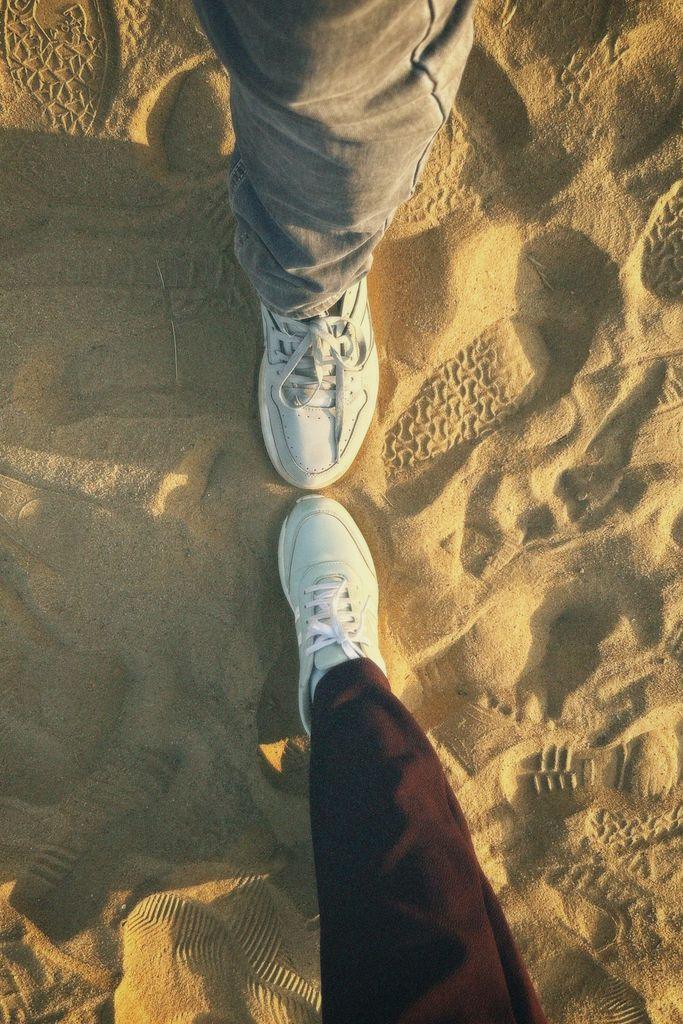
Mistake 13: Wearing the Wrong Shoes
This sounds trivial until your first long archaeological day.
The Giza Plateau, Saqqara, Karnak, the Valley of the Kings, Abu Simbel, and many other sites involve stone, sand, uneven surfaces, stairs, and substantial walking.
Fashionable sandals that feel fine for dinner may become uncomfortable after several hours.
Better approach: Wear broken-in walking shoes or supportive trainers for major sightseeing days.
Your Egypt Packing List covers this in more detail.
Mistake 14: Dressing for a Beach Resort Everywhere
Egypt does not have one universal dress environment.
Swimwear and beach clothing are completely normal around resort pools and private beaches. The same outfit may feel out of place in a traditional Cairo neighborhood or inside an active mosque.
Visitors do not need to imitate local dress, and women do not need to cover their hair during ordinary sightseeing.
But having clothing that covers the shoulders and knees gives you considerably more flexibility, particularly for religious sites and less tourist-oriented areas.
Better approach: Dress for the setting, not simply for the temperature.
Read What to Wear in Egypt for practical examples.
Mistake 15: Treating Every Request for Baksheesh as Mandatory
Tipping is part of everyday service culture in Egypt, especially within tourism.
That doesn’t mean every person who approaches you deserves payment.
A porter who carries your luggage, a guide who spends the day showing you archaeological sites, or a driver who provides good service is different from someone who begins giving unsolicited directions and then asks for money.
Tourists sometimes become frustrated because they interpret every request for baksheesh as an unavoidable rule.
It isn’t.
Better approach: Tip appropriately for genuine service, carry smaller Egyptian-pound notes, and politely decline assistance you don’t want.
See Tipping in Egypt: When, Where & How Much for practical ranges and examples.

Mistake 16: Assuming Every Price Should Be Bargained
Bargaining is common in some markets, souvenir shops, and informal tourism settings.
It is not appropriate everywhere.
Restaurant menus, supermarket prices, official attraction tickets, established retail stores, and many transportation services have set prices.
Trying to negotiate everything doesn’t make you a more experienced traveler. It can simply create awkward interactions.
At the other extreme, accepting the first price in an obviously negotiable market without understanding the local context can mean paying more than necessary.
Better approach: Learn to distinguish between fixed-price and negotiable environments.
A dedicated Bargaining in Egypt guide is planned for ENA’s later culture and travel-tips cluster.
Mistake 17: Accepting “Free” Help Without Clarifying
Around heavily visited attractions, you may encounter people offering to take a photograph, show you a viewpoint, guide you somewhere, help with an animal ride, or provide other assistance.
Sometimes the gesture is genuinely helpful.
Sometimes the person expects payment afterward.
The safest way to avoid misunderstandings is not to assume that an unsolicited tourist service is free.
Better approach: If you want the service, clarify the price first. If you don’t want it, decline confidently and keep moving.
Mistake 18: Treating Egyptian People as Part of the Scenery
Egypt is not an archaeological theme park.
Millions of people live ordinary modern lives beside the country’s ancient history.
Photography can become disrespectful when travelers treat residents, workers, children, Nubian communities, market sellers, or people in traditional clothing as props.
Ask before taking identifiable close-up photographs of people. Respect homes, workplaces, religious spaces, and communities in the same way you would expect visitors to behave where you live.
Better approach: Photograph monuments freely where permitted; treat people as people, not attractions.
This reflects a core ENA principle: Egypt should be represented as a modern country as well as an ancient civilization.
Mistake 19: Assuming Attraction Rules Never Change
Opening hours, ticket procedures, photography rules, closures, access restrictions, and payment methods can change.
This is especially important in Egypt because new museum openings, archaeological conservation work, infrastructure changes, and ticketing systems can affect the visitor experience.
An old blog post describing exactly how someone bought a ticket five years ago may no longer be useful.
Better approach: Check current official information close to your visit rather than relying entirely on old travel content.
ENA’s editorial standards specifically classify attraction policies, ticket prices, opening hours, transport procedures, and similar operational information as facts that require current verification.
Mistake 20: Forgetting That Archaeological Sites Take Time
A list of attractions doesn’t show their scale.
Karnak is not simply one temple building. The Giza Plateau isn’t only a quick photograph beside the Great Pyramid. Saqqara contains far more than the Step Pyramid.
Travelers who allocate 45 minutes to every major site often spend their trip looking at their watches.
Better approach: Prioritize what matters most to you and leave enough time to understand what you’re looking at.
Seeing four important places properly is often more rewarding than rushing through eight.
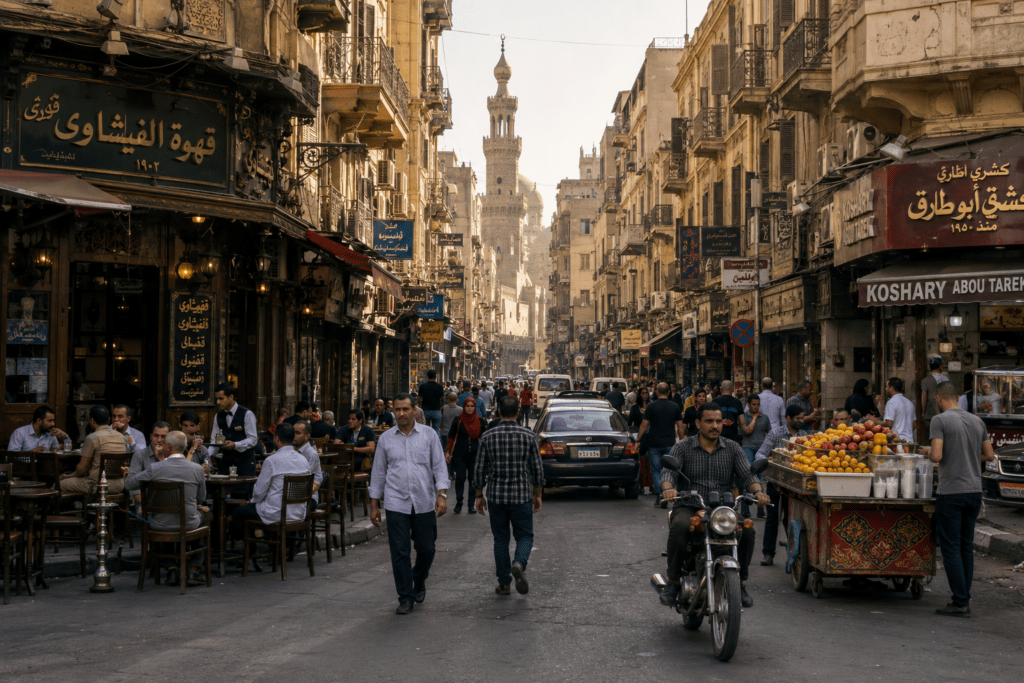
Mistake 21: Skipping Cairo Because You “Only Want Ancient Egypt”
Cairo can feel intense, which leads some travelers to treat it purely as the airport for the Pyramids.
That misses an important part of the country.
Modern Cairo, Islamic Cairo, Coptic Cairo, local neighborhoods, museums, cafés, architecture, and everyday life help explain Egypt beyond the ancient monuments.
Even travelers primarily interested in archaeology benefit from understanding that Egypt’s history did not stop after the pharaohs.
Better approach: Give Cairo enough time to function as a destination rather than only a transit point.
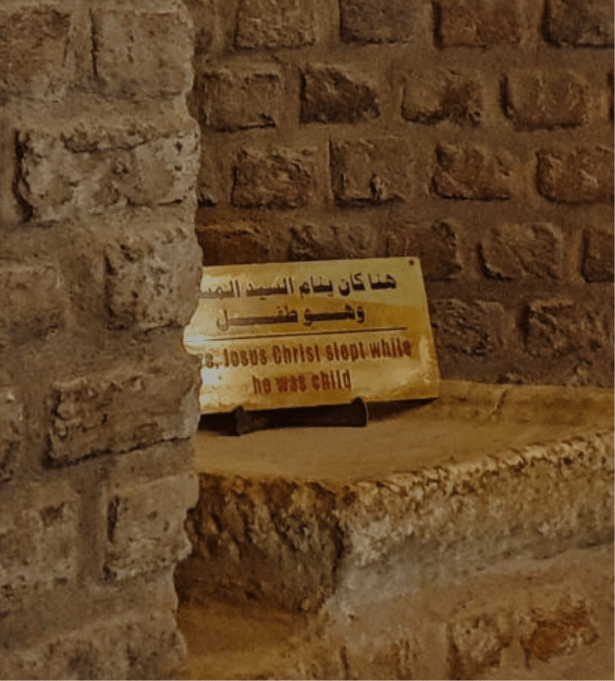
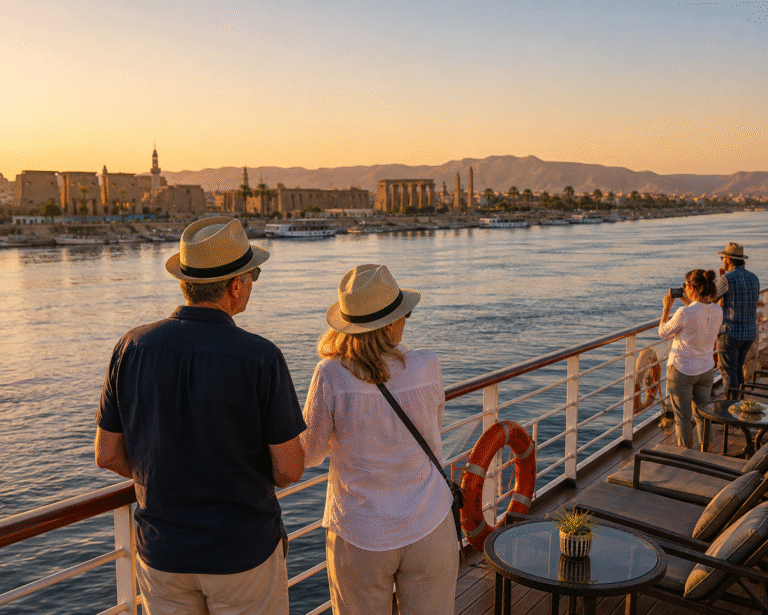
Mistake 22: Assuming a Nile Cruise Means You’ll Be Relaxing All Day
A Nile cruise is relaxing—but it is also an active sightseeing itinerary.
Cruise days commonly include early departures and visits to major temples and archaeological sites. Some itineraries have multiple excursions in a day.
Travelers sometimes imagine four uninterrupted days by the pool and are surprised by how much there is to see.
Better approach: Think of a Nile cruise as transportation + accommodation + sightseeing, with relaxation between excursions.
Mistake 23: Choosing the Cheapest Option Without Comparing Inclusions
This applies especially to Nile cruises, private tours, transfers, and accommodation.
Two products with the same basic description may include very different things.
A cheaper cruise might exclude entrance tickets, guiding, transfers, drinks, or optional excursions. A more expensive quote might include most of them.
The headline price alone does not tell you which offers better value.
Better approach: Compare like with like. Ask exactly what is included and what you’ll need to pay for separately.
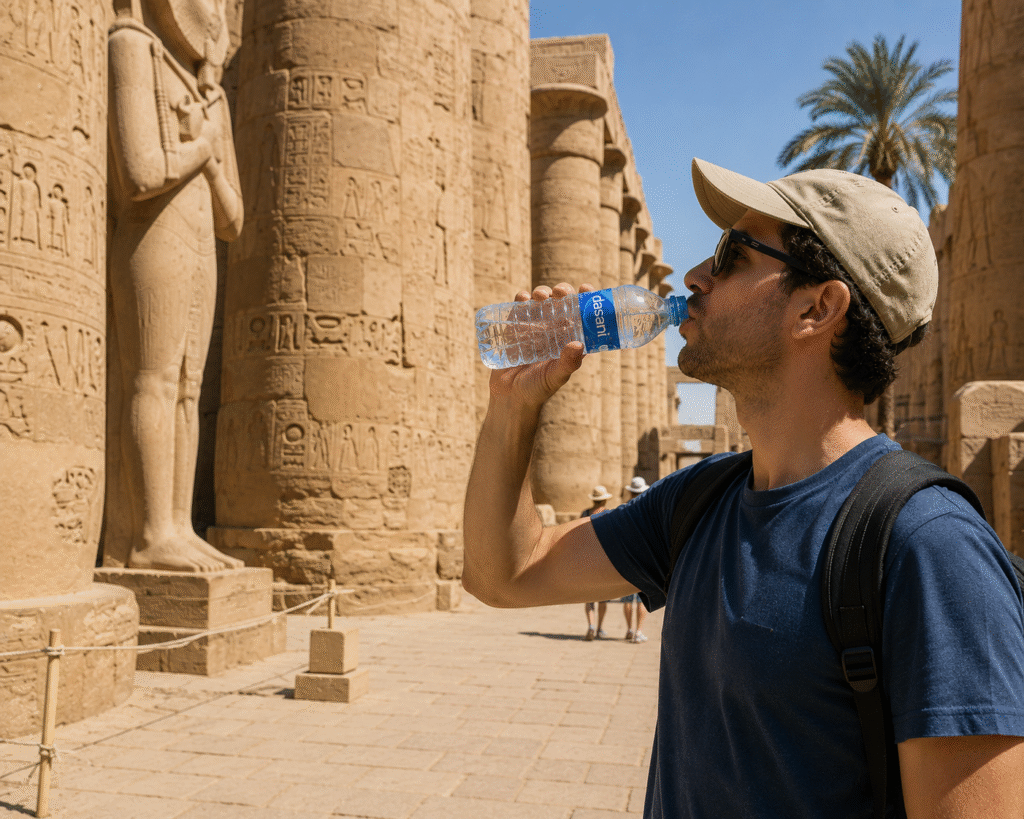
Mistake 24: Drinking Too Little Water
Visitors understandably spend time asking whether the water is safe.
The more common practical problem is simply not drinking enough.
Egypt’s dry climate and long outdoor sightseeing days can make dehydration easy to underestimate.
Carry sealed bottled water or appropriately filtered drinking water and drink regularly rather than waiting until you feel very thirsty.
Better approach: Treat hydration as part of your sightseeing routine, especially in Luxor, Aswan, Abu Simbel, and during warmer months.
Read Drinking Water in Egypt for the full guidance.
Mistake 25: Leaving Travel Insurance Until the Last Minute
Travel insurance is easier to evaluate when you’re not rushing.
Waiting until the night before departure encourages travelers to compare only price rather than medical coverage, evacuation, cancellation benefits, activity exclusions, or pre-existing-condition rules.
Some cancellation protections may also depend on when the policy is purchased.
Better approach: Compare coverage shortly after making major non-refundable bookings.
See the Egypt Travel Insurance Guide before choosing a policy.
Mistake 26: Keeping All Your Money and Cards Together
If your wallet is lost, having your backup credit card sitting inside the same wallet doesn’t help.
The same applies to carrying all of your cash in one place.
Better approach: Separate your primary and backup payment methods. Keep emergency access to money somewhere secure and different from the wallet you use every day.
Mistake 27: Relying Entirely on Wi-Fi
Hotel Wi-Fi may be perfectly good in the evening.
That doesn’t help when you’re standing outside trying to locate your Uber pickup, contact your guide, check a flight change, or navigate to your restaurant.
Better approach: Have mobile data available independently of hotel Wi-Fi.
Mistake 28: Being Afraid to Say No
Politeness matters in Egypt, but politeness does not require agreeing to every offer.
If you don’t want a souvenir, taxi, guide, camel ride, restaurant recommendation, or assistance, a clear and courteous refusal is completely reasonable.
Tourists sometimes prolong interactions because they worry that saying no is rude. That can unintentionally encourage the other person to continue trying to persuade them.
Better approach: Be friendly, clear, and decisive.
A simple “La, shukran” — “No, thank you” is useful.
Mistake 29: Assuming Every Egyptian Is Trying to Sell You Something
The opposite mistake is becoming so defensive that every interaction feels suspicious.
Egypt has persistent tourism sales culture in some heavily visited places, but that does not mean ordinary Egyptians who speak to you are automatically trying to scam you.
Treating everyone with suspicion can prevent genuine interactions and reinforces an inaccurate picture of the country.
Better approach: Maintain sensible boundaries without abandoning normal human courtesy.
This balance matters to ENA because the aim is to prepare travelers without building a fear-based view of Egypt.
Mistake 30: Trying to “Do Egypt” Instead of Experiencing It
The final mistake is harder to measure.
Egypt encourages checklist travel because so many of its attractions are famous.
Pyramids. Check.
Sphinx. Check.
Karnak. Check.
Valley of the Kings. Check.
Abu Simbel. Check.
But some of the most valuable time in Egypt happens between these places: watching the Nile from Aswan, sitting in a Cairo café, having an unhurried dinner, walking a neighborhood, or simply slowing down enough to understand where you are.
There is nothing wrong with wanting to see the major landmarks. You probably traveled a long way to see them.
Just don’t build such an efficient itinerary that there is no time left to experience the country connecting them.

Frequently Asked Questions
What is the biggest mistake first-time visitors make in Egypt?
Trying to include too many destinations is one of the most consequential mistakes. Constant transfers reduce sightseeing time and make the entire trip feel rushed. Most travelers benefit from choosing fewer destinations and giving each one enough time.
Is it a mistake to travel independently in Egypt?
No. Independent travel is possible and suits many visitors. The better question is which parts of your itinerary benefit from guidance or prearranged transportation. A traveler might explore central Cairo independently while hiring a licensed guide for Saqqara or Luxor’s West Bank.
Should I avoid taxis in Egypt?
No. Traditional taxis remain an important and practical form of transportation, particularly where ride-hailing is limited. Understand how the fare will be determined before departure and use reputable options.
Is summer a bad time to visit Egypt?
Not necessarily. Summer works better for some trips than others. Red Sea and Mediterranean holidays can make sense, while intensive archaeological sightseeing in Upper Egypt requires early starts and realistic expectations about extreme heat.
Do I need to plan every detail before visiting?
No. Important logistics should be organized—entry requirements, accommodation, major transportation, insurance, and anything with limited availability—but leaving some flexibility generally improves the trip.
Official Resources
For changing rules and operational information, use current official sources rather than relying exclusively on travel articles.
For visas and entry procedures, use the official Egypt e-Visa Portal, operated by Egypt’s Ministry of Interior. It currently provides eligibility information, visa fees, application procedures, and arrival requirements.
For rail travel, check Egyptian National Railways before making assumptions about schedules or booking procedures. The current ENR booking portal specifically notes that its online booking function is for Egyptian nationals while booking for other nationalities remains under development.
Related Egyptian Nile Adventures Articles
This article identifies the mistakes. These guides explain how to avoid them in detail.
Egypt Travel Checklist — Work through the important preparations before departure.
How Many Days Do You Need in Egypt? — Avoid building an itinerary that’s too ambitious.
Best Time to Visit Egypt — Choose dates that fit your travel style.
Egypt Weather by Month — Understand how conditions change throughout the year.
Egypt Visa Guide — Confirm which visa process applies to you.
Egypt Travel Costs: How Much Does a Trip Cost? — Build a realistic budget instead of relying on the idea that “Egypt is cheap.”
Money in Egypt: Currency, ATMs & Credit Cards — Plan cash, cards, and ATM use.
Tipping in Egypt — Understand baksheesh without feeling obligated to tip everyone.
Transportation in Egypt — Choose the right combination of flights, trains, taxis, and private transport.
Uber vs. Taxis in Egypt — Know where ride-hailing works best and when taxis make more sense.
What to Wear in Egypt — Pack clothing appropriate for the climate and setting.
Egypt Packing List — Avoid forgetting the practical essentials.
Egypt Travel Insurance Guide — Understand coverage before buying a policy.
Egypt SIM Cards & Internet Guide — Arrange mobile connectivity before you depend on it.
Egypt Electricity & Power Adapter Guide — Make sure your devices will work.
Drinking Water in Egypt — Stay hydrated without unnecessary worry.
Final Advice
The easiest way to avoid mistakes in Egypt is not to memorize dozens of rules.
Understand a few principles instead.
Allow more time than the map suggests. Verify changing information close to your trip. Carry both cash and cards. Adapt your sightseeing to the weather. Know when prices are fixed and when negotiation is normal. Tip for genuine service, not simply because someone asks. Dress for the place you’re visiting. And remember that Egypt is a living country, not simply a collection of monuments.
Good preparation should make you less anxious, not more.
Once the important logistics are handled, give yourself permission to stop optimizing every minute and actually enjoy being there.