Egypt Travel Insurance Guide: Do You Need It and What Should It Cover?
Travel insurance isn’t the most exciting part of planning a trip to Egypt, but it may be one of the most important.
Most vacations pass without major problems. However, unexpected illness, flight disruptions, lost luggage, or a medical emergency can quickly become expensive—particularly when traveling internationally.
The good news is that travel insurance is not currently required for most tourists entering Egypt. Even so, purchasing appropriate coverage is strongly recommended, especially if your itinerary includes domestic flights, a Nile cruise, diving in the Red Sea, or travel between multiple destinations.
This guide explains what travel insurance typically covers, which features matter most for Egypt, and how to choose a policy that matches your trip.
Quick Answer
For most visitors, yes—travel insurance is worth buying for Egypt.
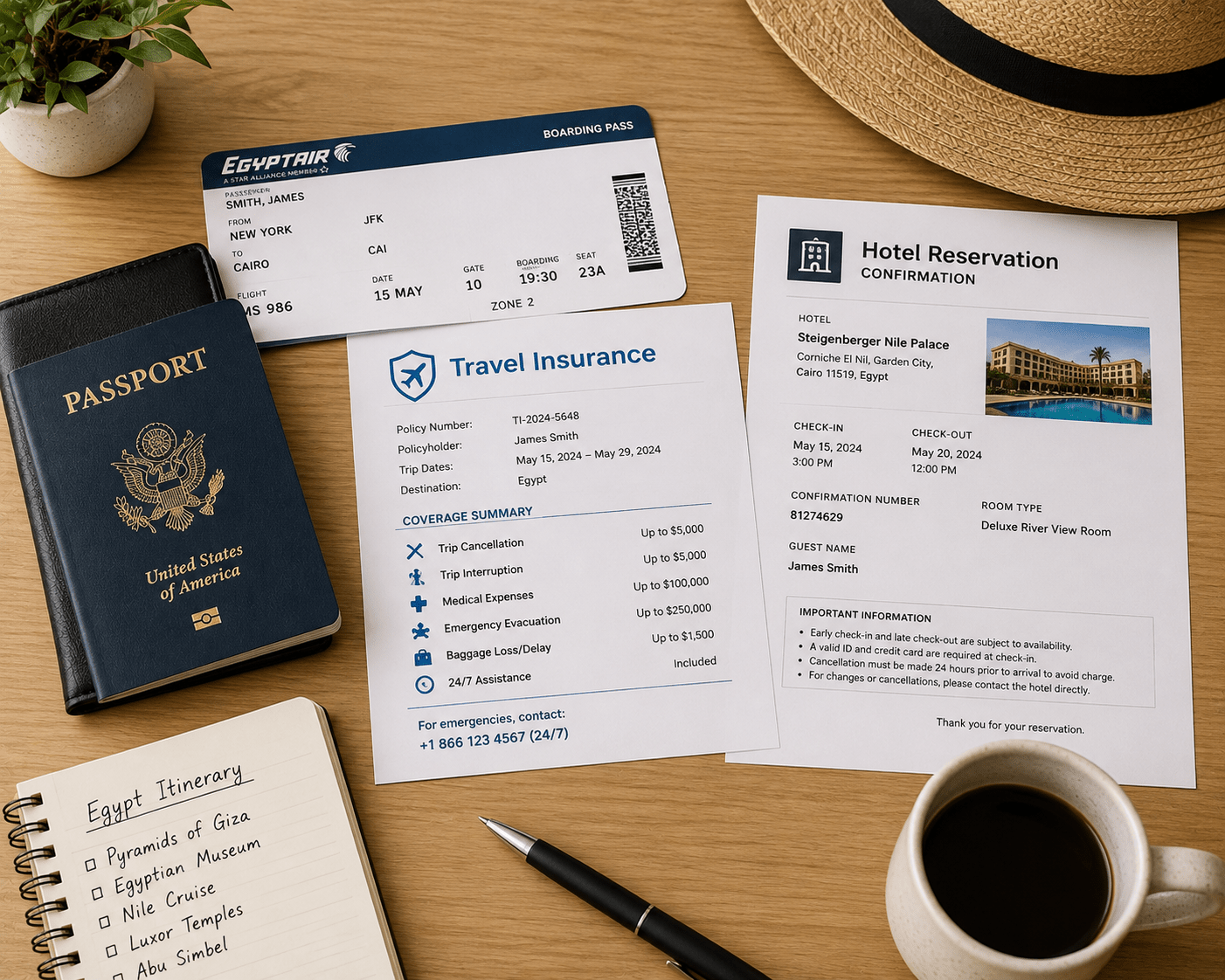
Look for a policy that includes:
- Emergency medical treatment
- Emergency medical evacuation
- Trip cancellation and interruption
- Lost, delayed, or stolen baggage
- Travel delay coverage
- 24-hour emergency assistance
If your plans include scuba diving, desert excursions, hot-air balloon flights, or other adventure activities, make sure those activities are specifically covered by your policy.
Is Travel Insurance Required for Egypt?
For most nationalities, Egypt does not require travel insurance as a condition of entry.
However, entry requirements can change, and travelers should always confirm current visa and entry rules before departure.
Even though insurance isn’t mandatory, many experienced travelers consider it an essential part of planning an international trip because medical treatment, trip disruptions, and emergency transportation can become expensive without coverage.
Why Travel Insurance Matters in Egypt
Egypt is generally an easy country to travel around, but most itineraries involve several moving parts.
A typical first-time visitor may have:
- An international flight.
- One or two domestic flights.
- Hotel reservations.
- A Nile cruise.
- Entrance tickets.
- Guided tours.
- Transfers between cities.
If one part of that itinerary is disrupted, the financial impact can extend well beyond the original problem.
Medical coverage is equally important. Many hospitals treating international visitors expect payment or proof of insurance before treatment begins, particularly at private facilities. Your domestic health insurance may not provide coverage overseas, and government health programs such as U.S. Medicare generally do not apply outside your home country.
What Should an Egypt Travel Insurance Policy Cover?
Not every policy offers the same level of protection.
Rather than focusing only on price, look carefully at the benefits included.
The most useful policies generally provide:
- Emergency medical treatment
- Emergency medical evacuation
- Hospital admission
- Trip cancellation
- Trip interruption
- Flight delays
- Missed connections
- Lost or delayed baggage
- Personal liability
- 24-hour emergency assistance
These protections cover many of the situations most likely to affect international travelers.
Emergency Medical Coverage
Medical coverage is usually the most important part of a travel insurance policy.
Although Egypt has good private hospitals in major cities such as Cairo, Alexandria, Luxor, and Aswan, treatment for foreign visitors is generally not free. Many hospitals require payment or proof of insurance before providing non-emergency care.
A policy with adequate emergency medical coverage protects you if you become ill, suffer an injury, or require hospital treatment during your trip.
Many travel insurance specialists recommend at least US$50,000 in emergency medical coverage for Egypt, although travelers with existing medical conditions or more adventurous itineraries may prefer higher limits.

Medical Evacuation
Medical evacuation is often overlooked until it’s needed.
If appropriate treatment isn’t available where you are, evacuation coverage helps arrange and pay for transportation to a suitable medical facility.
This is particularly relevant for travelers who plan to:
- Take a Nile cruise.
- Visit remote desert areas.
- Dive in the Red Sea.
- Travel long distances between cities.
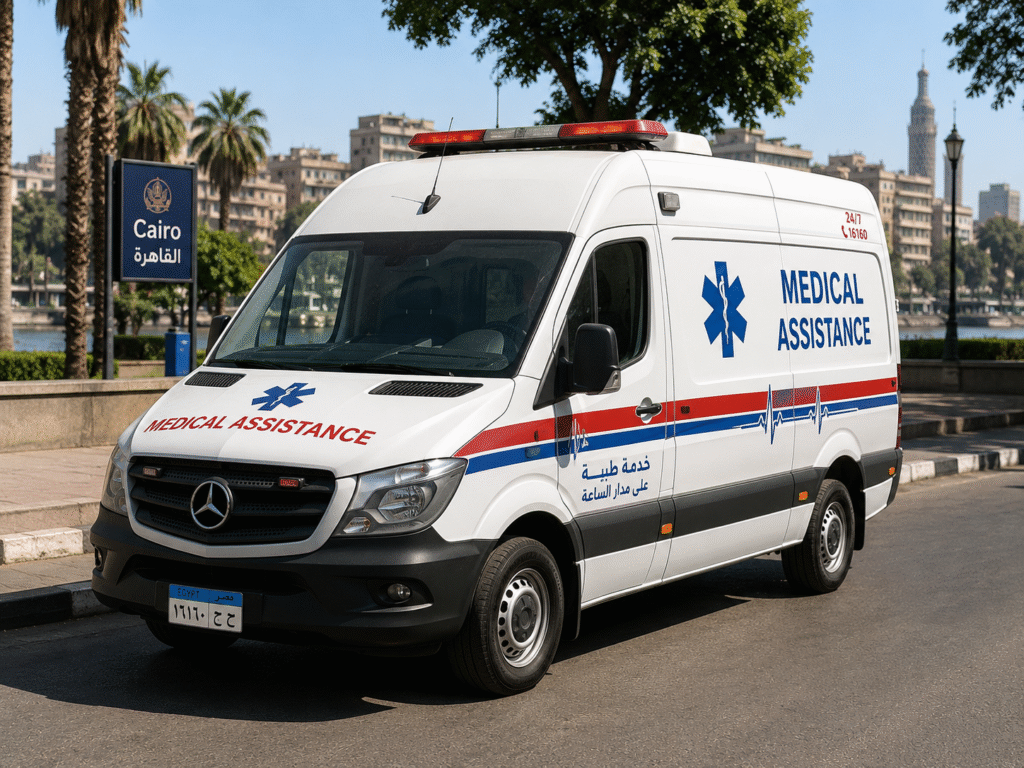
Medical evacuation can be one of the most expensive aspects of an emergency abroad, making it an important feature to include when comparing policies. The U.S. Department of State specifically recommends supplemental insurance that includes medical evacuation for travelers to Egypt.
Trip Cancellation and Interruption
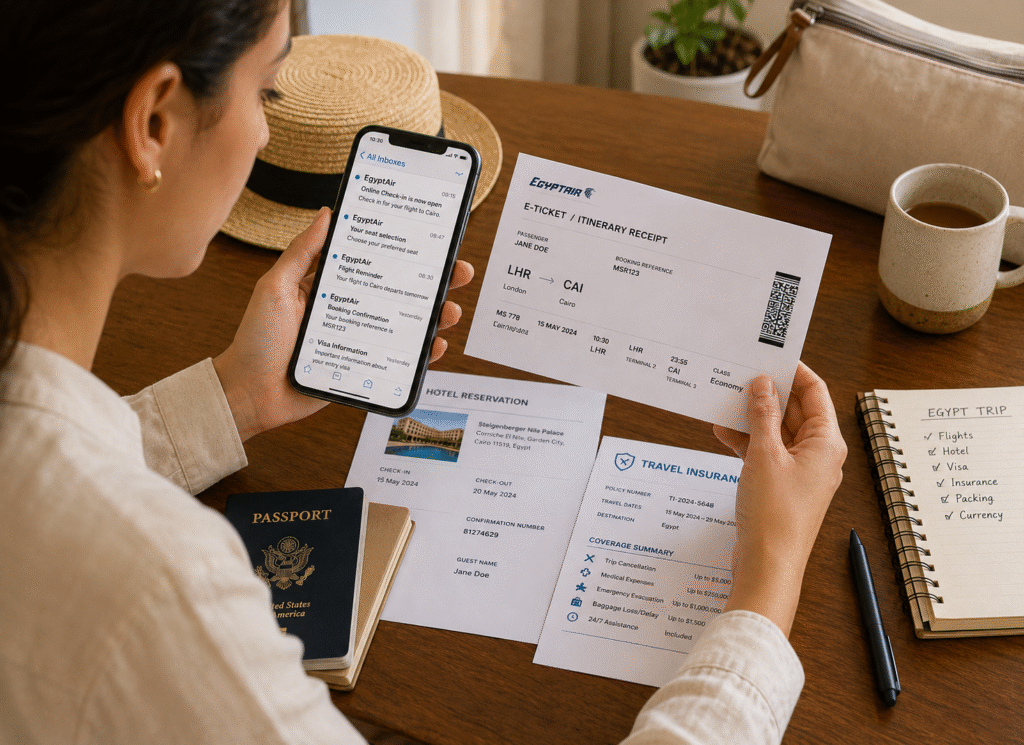
Before purchasing insurance, consider how much of your trip is prepaid and non-refundable.
A comprehensive Egypt itinerary may include:
- International flights
- Domestic flights
- Hotels
- Nile cruise
- Guided tours
- Airport transfers
If illness, family emergencies, or another covered event forces you to cancel or cut short your trip, cancellation and interruption coverage may reimburse eligible prepaid expenses according to the policy terms.
Remember that travel insurance does not cover every reason for cancellation. Always read the policy wording carefully so you understand which events are covered and which are excluded.
Flight Delays and Missed Connections
Many Egypt itineraries involve connecting flights through Europe or the Middle East, followed by domestic flights within Egypt.
If delays cause you to miss a connection, additional accommodation, meals, or transportation may become necessary.
Policies offering travel delay and missed connection benefits can help reduce those unexpected expenses, subject to the terms and waiting periods specified in your policy.
Baggage Protection
Lost or delayed baggage is uncommon, but it can quickly become frustrating when your suitcase contains clothing, medications, chargers, or other travel essentials.
Baggage coverage typically helps if your checked luggage is:
- Lost by the airline.
- Stolen during your trip.
- Damaged in transit.
- Delayed for a specified period.
Many policies reimburse reasonable purchases such as clothing or toiletries if your luggage is delayed, although limits and waiting periods vary considerably between insurers.
Before relying on this benefit, check both the maximum reimbursement amount and any exclusions for electronics, jewelry, cameras, or other high-value items.
Adventure Activities
Many travelers don’t realize that standard travel insurance policies often exclude certain activities unless additional coverage is purchased.
If your Egypt itinerary includes any of the following, check your policy carefully:
- Scuba diving
- Snorkeling (particularly deeper or guided excursions)
- Hot-air balloon flights over Luxor
- Desert safaris
- Quad biking
- Camel trekking
- Kitesurfing or windsurfing
- Mountain hiking
Never assume an activity is automatically covered simply because it’s offered by a tour operator.

Existing Medical Conditions
If you have a pre-existing medical condition, declare it when purchasing your policy.
Failing to disclose an existing condition could result in a claim being refused if that condition contributes to your medical emergency.
Some insurers provide coverage for stable pre-existing conditions, while others require an additional premium or impose exclusions.
Buying insurance based only on the lowest price can become very expensive if important medical conditions aren’t covered.
What Isn’t Usually Covered?
Travel insurance is designed to protect against unexpected events—not every inconvenience.
Common exclusions often include:
- Undeclared pre-existing medical conditions.
- Claims involving alcohol or illegal drug use.
- Traveling against official government travel advice.
- Participating in excluded adventure sports.
- Leaving valuables unattended.
- Losses resulting from reckless or illegal behavior.
Every insurer has different exclusions, so reading the policy wording before purchasing is just as important as comparing prices.
Choosing the Right Policy
The best travel insurance isn’t necessarily the most expensive one.
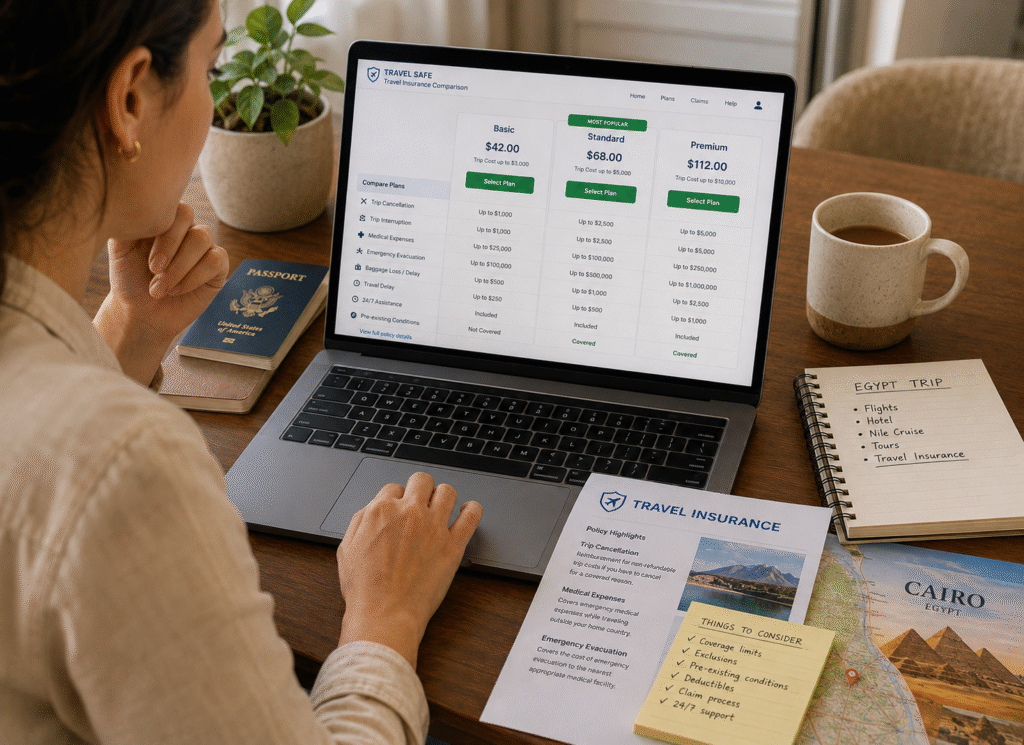
Instead of comparing policies by price alone, compare them by coverage.
Ask yourself:
- Does it include emergency medical treatment?
- Does it include medical evacuation?
- Are Nile cruises covered?
- Are adventure activities included?
- What is the baggage limit?
- Does it cover expensive cameras or electronics?
- Is there 24-hour emergency assistance?
- What excess (deductible) applies to each claim?
A slightly more expensive policy often provides significantly better protection than the cheapest option.
Should You Buy Insurance Before Booking?
Ideally, yes.
Many cancellation benefits begin from the date the policy is purchased rather than the date you depart.
Buying insurance soon after making major travel bookings may provide protection if a covered event forces you to cancel before your trip even begins.
Waiting until just before departure could reduce the benefits available under your policy.
What To Do If Something Goes Wrong
If you need to make a claim while in Egypt:
- Contact your insurance provider’s emergency assistance number as soon as possible.
- Keep receipts for medical treatment, transportation, accommodation, or replacement purchases.
- Request written reports from airlines, hospitals, police, or tour operators where appropriate.
- Take photographs of damaged baggage or belongings.
- Keep copies of all claim documentation.
Following your insurer’s procedures from the beginning usually makes the claims process much smoother after returning home.
Frequently Asked Questions
Is travel insurance required to enter Egypt?
For most tourists, no.
Egypt does not currently require travel insurance for entry, although requirements can change. Always check official government advice before traveling.
Is travel insurance worth it for Egypt?
For most visitors, yes.
International medical treatment, emergency evacuation, trip cancellation, and flight disruptions can all be expensive without insurance.
Does travel insurance cover Nile cruises?
Many policies do, but not all.
Always confirm that river cruises are included and understand any exclusions that may apply.
Does travel insurance cover scuba diving in Egypt?
It depends on the policy.
Some insurers include recreational diving, while others require optional adventure sports coverage or impose depth limits.
How much medical coverage should I have?
There is no universal minimum, but many travel insurance specialists recommend at least US$50,000 in emergency medical coverage for Egypt, with higher limits providing additional peace of mind for longer or more complex itineraries.
Related Egyptian Nile Adventures Articles
Travel insurance is one part of preparing for a successful trip. These guides will help you complete the rest of your planning.
Continue Planning Your Trip
- First-Time Visitor’s Guide to Egypt – A complete roadmap for planning your trip.
- Is Egypt Safe for Tourists? – Practical safety advice before and during your visit.
- Egypt Travel Costs: How Much Does a Trip Cost? – Build a realistic budget, including insurance costs.
- Egypt Packing List – Don’t forget essential documents, medications, and emergency contacts.
- Transportation in Egypt – Plan flights, trains, taxis, and Nile cruises.
- Money in Egypt: Currency, ATMs & Credit Cards – Prepare payment methods before you leave home.
Conclusion
Travel insurance isn’t mandatory for most visitors to Egypt, but it is one of the simplest ways to protect yourself against unexpected problems while traveling abroad.
The right policy should do more than reimburse lost luggage. Emergency medical treatment, medical evacuation, trip cancellation, travel delays, and 24-hour assistance are often far more valuable than baggage coverage alone, particularly on a multi-city itinerary that includes domestic flights or a Nile cruise.
Rather than choosing the cheapest policy available, focus on finding one that matches your itinerary. If you’re planning to dive in the Red Sea, take a hot-air balloon flight over Luxor, or explore remote desert areas, make sure those activities are covered before you travel.
Most trips to Egypt are completed without any need to make an insurance claim. The goal of travel insurance isn’t to expect something to go wrong—it’s to ensure you’re prepared if it does.