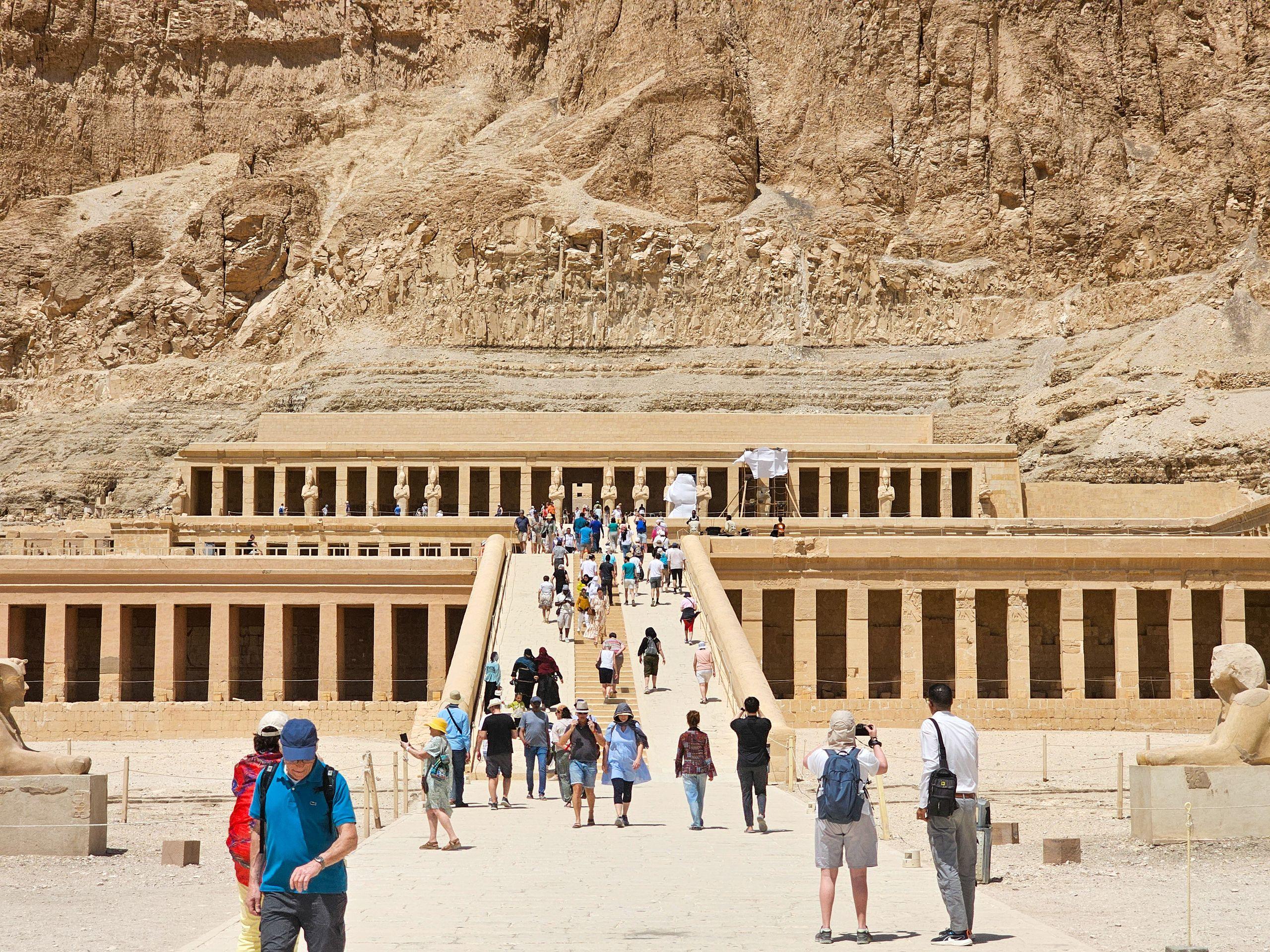
Egypt Weather by Month: What to Expect Throughout the Year
Egypt is often described simply as hot and dry, but that description isn’t particularly useful when you’re trying to plan a trip.
The weather you experience depends heavily on when you visit and where you go. A January morning in Cairo can require a jacket, while an afternoon in Aswan may be comfortably warm. In July, Alexandria may be around 30°C (86°F) while Luxor and Aswan regularly experience daytime temperatures above 40°C (104°F).
Egypt’s official tourism information describes winters as generally mild and summers as hot and dry, with the Mediterranean coast cooler and more humid than the interior and southern Egypt remaining warmer throughout the year.
This month-by-month guide explains what those differences actually mean for travelers—and how the weather can affect sightseeing, Nile cruises, desert trips, and beach holidays.
Quick Answer: Egypt’s Weather at a Glance
For travelers planning a classic sightseeing itinerary through Cairo, Luxor, and Aswan, the most comfortable weather generally falls between October and April. December through February bring the coolest conditions, while October, November, March, and April provide a compromise between warmer temperatures and manageable sightseeing conditions.
May through September is considerably hotter, particularly in Luxor and Aswan. Summer travel is still possible, but your daily schedule matters much more. Early starts, afternoon breaks, sun protection, and realistic sightseeing plans become important.
The Mediterranean coast follows a different pattern. Alexandria and the North Coast are significantly cooler than Upper Egypt during summer, which is why the Mediterranean coast is primarily a summer destination. The Red Sea, meanwhile, works as a beach destination throughout much of the year.
Why “Egypt Weather” Doesn’t Tell the Whole Story
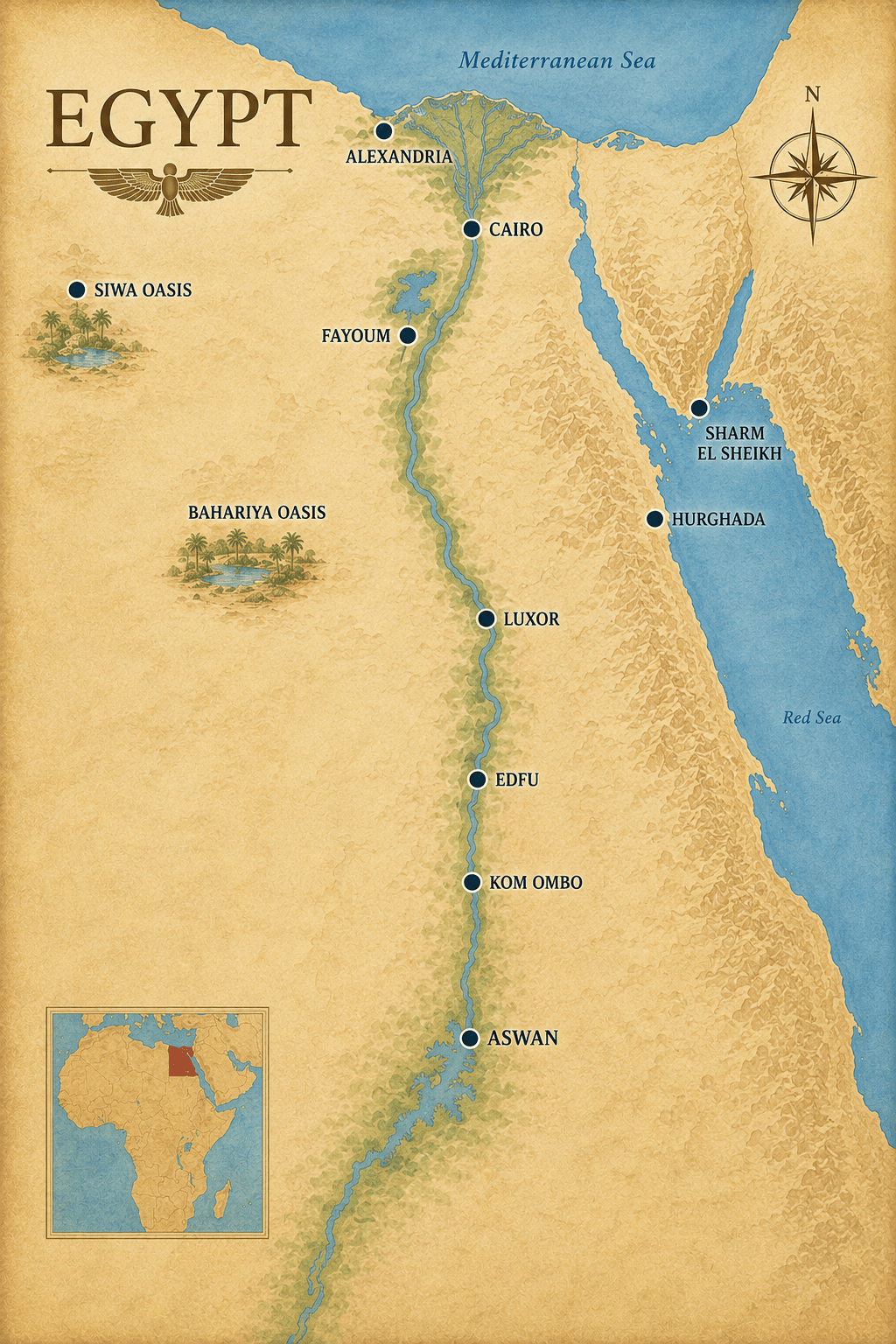
Egypt stretches far enough from north to south that there is no single temperature that accurately describes the country.
For trip planning, it is more useful to think of Egypt as several broad climate zones.
Cairo and Giza have hot, dry summers and mild winters, but winter mornings and evenings can feel considerably cooler than daytime temperatures suggest.
Alexandria and the Mediterranean coast are cooler and more humid. This is also the part of Egypt where winter rain is most relevant.
Luxor and Aswan are hotter and much drier. Summer temperatures around 40°C (104°F) and above are normal rather than exceptional.
The Red Sea coast, including Hurghada, Marsa Alam, and Sharm El Sheikh across the Gulf of Suez, remains popular throughout the year, although summer is extremely hot.
This difference is important when planning a multi-city trip. The clothes and schedule that feel comfortable in Alexandria may not be appropriate several days later in Aswan.
January: Egypt at Its Coolest
January is one of the coolest months in Egypt and one of the most comfortable for extensive sightseeing.
In Luxor, the average daytime high is about 23°C (73°F), while Aswan averages about 23°C (73°F). Alexandria is noticeably cooler, with an average high of roughly 18°C (65°F).
Those averages can be misleading, however, because temperatures fall significantly after sunset. Luxor’s average January low is only about 5°C (42°F), while Aswan averages around 9°C (48°F) at night.
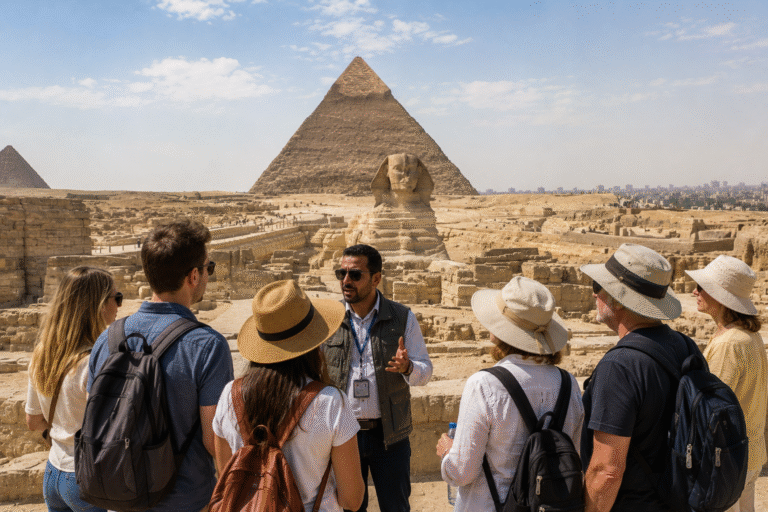
That makes January particularly good for long days at the Pyramids, Saqqara, Karnak Temple, the Valley of the Kings, and Abu Simbel. It is also an excellent month for Nile cruising.
The trade-off is that you need layers. A sunny afternoon may be warm enough for a light shirt, while an early-morning temple visit or evening on a Nile cruise can require a sweater or jacket.
Alexandria is different again. January is among its wettest months, averaging roughly 53 mm of rainfall, so visitors combining Cairo with Alexandria should be prepared for the possibility of rain.
Best for: Archaeological sightseeing, Nile cruises, desert travel and travelers who dislike heat.
Pack: Layers, a light-to-medium jacket, comfortable walking shoes and sun protection.
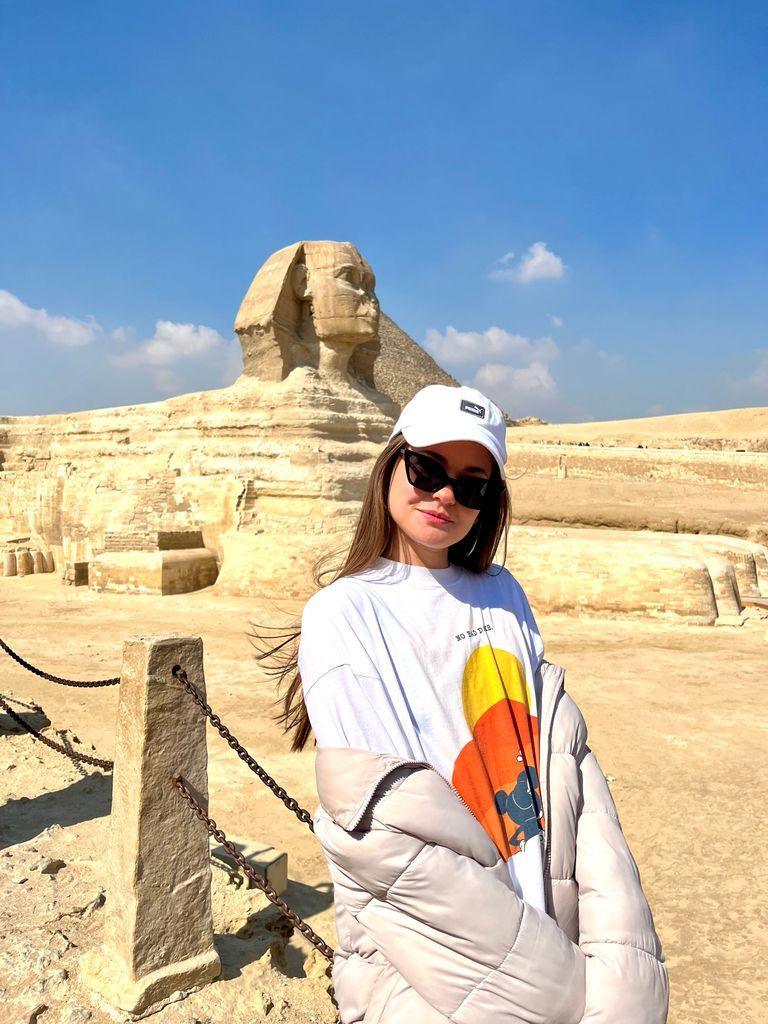
February: Mild Days and Excellent Sightseeing
February remains one of Egypt’s strongest months for sightseeing.
Luxor averages a daytime high around 25°C (78°F), while Aswan is similar at about 25°C (77°F). Alexandria remains much cooler at around 19°C (67°F).
The difference between daytime and nighttime temperatures remains substantial in Upper Egypt, so layers are still important.
For travelers planning a classic Cairo–Luxor–Aswan itinerary, February offers an especially useful balance: warm sunshine without the punishing afternoon temperatures that arrive later in the year.
Best for: First-time sightseeing trips, Nile cruises and desert excursions.
Watch for: Cool mornings and evenings, especially in Upper Egypt and desert areas.
March: Warmer Days and the Beginning of Spring
March marks the transition toward warmer weather.
Average daytime highs rise to around 27°C (81°F) in Luxor and 30°C (85°F) in Aswan.
For many visitors, these are still very comfortable sightseeing temperatures. You can spend much of the day outdoors without dealing with the extreme heat of summer.
March also marks the period when Egypt can experience the khamsin, a hot, dry, dust-bearing wind associated with spring. These conditions don’t occur continuously, but when they do, visibility can decrease and outdoor sightseeing can become less comfortable.
Don’t plan your entire trip around avoiding the possibility. Simply recognize that spring weather can occasionally be less predictable than winter.
Best for: Travelers wanting warmer weather without full summer heat.
Watch for: Occasional dusty or windy conditions.
April: Warm Weather Arrives Quickly
By April, the difference between northern and southern Egypt becomes much more obvious.
Luxor averages approximately 35°C (95°F) during the day, with Aswan also averaging around 35°C (95°F). Alexandria, meanwhile, averages only about 24°C (75°F).
April can still be an excellent month to visit, but sightseeing in Upper Egypt should increasingly be planned around the temperature.
Start early when visiting the Valley of the Kings, Karnak, Edfu, Kom Ombo, or Philae rather than scheduling your longest outdoor visits for mid-afternoon.
Best for: Mixed sightseeing and resort itineraries.
Watch for: Rapidly increasing temperatures in Luxor and Aswan.
May: Hot in Upper Egypt
May is when visitors should stop thinking of Egypt’s heat as merely “warm.”
Average daytime highs reach approximately 39°C (103°F) in both Luxor and Aswan.
Cairo is also hot, although Upper Egypt is usually the bigger challenge for sightseeing.
May can still work well if you’re comfortable with heat and build your itinerary appropriately. Visit outdoor archaeological sites early, take a break during the hottest part of the afternoon, and resume activities later.
The Mediterranean coast remains much milder. Alexandria’s average May high is about 27°C (80°F).
This illustrates why looking at a single “Egypt temperature” before traveling can be misleading.
Best for: Heat-tolerant travelers, Red Sea holidays and travelers willing to start sightseeing early.
Less suitable for: Anyone who struggles with prolonged heat or wants full outdoor sightseeing days.
June: Summer Heat Takes Over
June brings full summer conditions to much of Egypt.
Luxor and Aswan both average daytime highs around 41°C (107°F).
At those temperatures, itinerary design becomes important.
A six-hour outdoor sightseeing day that feels reasonable in January can become exhausting in June. Visits to exposed sites should begin as early as practical, and the hottest afternoon hours are better used for lunch, museums, hotel time, or other indoor activities.
Alexandria is dramatically different, averaging approximately 29°C (83°F).
Best for: Red Sea holidays, Mediterranean trips and experienced hot-weather travelers.
Less suitable for: Fast-paced archaeological itineraries through Luxor and Aswan.
July: One of the Hottest Months
July is among the hottest months of the year in Upper Egypt.
Average highs are about 41°C (106°F) in Luxor and 41°C (106°F) in Aswan. Average nighttime temperatures in Aswan remain around 26°C (79°F).
That doesn’t mean Egypt should automatically be avoided in July. It means travelers need to choose the right kind of trip.
The Mediterranean coast is much more appealing at this time. Alexandria averages around 30°C (85°F), and Egypt’s North Coast becomes a major domestic summer destination. Egypt’s official tourism site identifies June through September as the prime period for enjoying the Mediterranean coast.
If your priority is the Pyramids, Luxor temples, and long archaeological days, however, there are much more comfortable months.
Best for: Mediterranean and Red Sea holidays.
Less suitable for: Travelers planning intensive Upper Egypt sightseeing.

August: Very Hot Inland, Summer on the Mediterranean
August continues the summer pattern.
Luxor averages about 40°C (105°F), while Aswan averages approximately 41°C (106°F). Alexandria averages around 30°C (87°F).
For sightseeing trips, the same summer strategy applies: start early, reduce the amount of outdoor activity during the afternoon, carry water, and don’t build an itinerary based on what you could comfortably accomplish in winter.
On the Mediterranean, August is firmly beach season.
Best for: North Coast and Red Sea trips.
Watch for: Extreme daytime heat in Upper Egypt.
September: Still Hot, but Beginning to Ease
September is sometimes described as autumn travel, but visitors shouldn’t expect autumn temperatures—especially in southern Egypt.
Luxor still averages around 39°C (102°F) during the day, and Aswan averages approximately 39°C (103°F).
Alexandria remains considerably cooler at roughly 30°C (85°F).
Late September begins moving toward more comfortable conditions, but travelers planning Luxor and Aswan should still treat this as hot-weather travel.
Best for: Travelers comfortable with heat and those combining sightseeing with the coast.
Watch for: Assuming September will feel cool simply because summer is ending elsewhere.
October: A Strong Transition Month
October is when conditions begin improving substantially for sightseeing, although Upper Egypt remains warm.
Average daytime highs are approximately 35°C (96°F) in Luxor and 36°C (97°F) in Aswan.
That is still hot, but the declining temperatures and cooler evenings make travel increasingly comfortable.
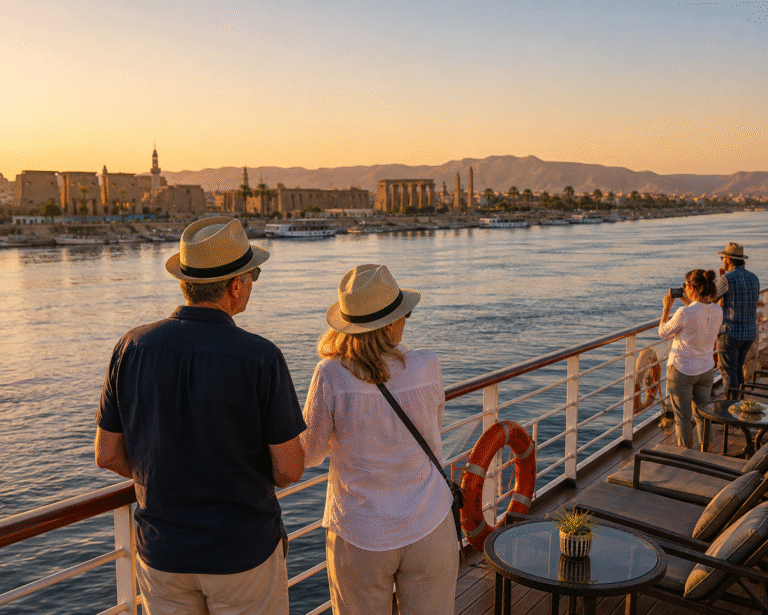
October is also the beginning of an especially good period for Nile cruising. Egypt’s official tourism site recommends October through May for Nile cruises, when mornings are warm and sunny and evenings benefit from cooler river breezes.
Best for: Nile cruises, multi-city trips and travelers who prefer warm weather.
November: Excellent All-Round Conditions
November is one of the easiest months for a broad Egypt itinerary.
Luxor’s average daytime high drops to approximately 29°C (84°F), with Aswan also around 29°C (84°F).
These temperatures are much easier for spending several hours at archaeological sites while remaining warm enough for outdoor dining, Nile cruises, and resort time.
The main consideration is the growing difference between daytime and nighttime temperatures. Pack something warmer for evenings rather than assuming the daytime temperature tells the whole story.
Best for: First-time visitors, Nile cruises, Cairo–Luxor–Aswan itineraries and travelers combining sightseeing with the Red Sea.
December: Warm Sunshine, Cooler Evenings
December brings Egypt back into its cooler travel season.
Average highs are approximately 24°C (76°F) in Luxor and 24°C (76°F) in Aswan, while nighttime averages fall to roughly 7°C (45°F) in Luxor and 11°C (51°F) in Aswan.
That large day-to-night temperature range catches some visitors by surprise.
A sunny afternoon may feel warm, while an early departure for Abu Simbel or an evening on a Nile cruise can feel genuinely chilly.
December is particularly well suited to travelers whose priority is archaeological sightseeing rather than maximum heat.
Best for: Cultural sightseeing, Nile cruises and desert trips.
Pack: Layers rather than one heavy winter coat.
Which Months Are Best for Different Types of Egypt Trips?
The “best” weather depends on what you’re actually planning to do.
| Type of Trip | Weather Period to Consider | Why |
|---|---|---|
| Cairo, Luxor & Aswan sightseeing | October–April | Cooler conditions for long outdoor days |
| Nile cruise | October–May | Warm days and cooler evenings |
| Mediterranean / North Coast | June–September | Egypt’s main Mediterranean beach season |
| Red Sea holiday | Year-round | Warm, sunny conditions through much of the year |
| Desert excursions | Cooler months | More manageable daytime temperatures |
| Heat-sensitive travelers | December–February | Coolest general sightseeing conditions |
Egypt’s official tourism guidance similarly distinguishes between the hotter southern interior, the milder Mediterranean coast, and the Red Sea’s year-round appeal rather than treating the country as one climate zone.
What About Rain?
For most classic Egypt itineraries, rain isn’t a major planning concern.
Luxor and Aswan receive extremely little rainfall. Historical climate averages show virtually no measurable rain during most months.
Alexandria is the important exception.
The Mediterranean coast has a genuine winter rainy season. Alexandria averages approximately 53 mm of rain in January and December, with November also noticeably wetter than summer.
So if you’re visiting Alexandria during winter, packing a compact rain jacket makes sense. Bringing one specifically for a January trip to Aswan generally does not.
Does Egypt Get Cold?
Yes—but “cold” in Egypt is highly dependent on location and time of day.
Visitors sometimes arrive in winter expecting constant warmth because Egypt is associated with desert weather.
Winter afternoons can indeed be sunny and pleasant. But desert climates lose heat quickly after sunset.
In January, Luxor’s historical average low is only about 5°C (42°F).
Early-morning departures, outdoor breakfasts, desert excursions, and evenings on the Nile can therefore feel surprisingly cool.
This is why layers are more useful than packing exclusively for warm weather.
Common Weather Planning Mistakes
One of the biggest mistakes is checking Cairo’s weather and assuming it represents the entire country. A traveler going from Alexandria to Cairo and then Aswan can experience significantly different conditions during the same trip.
Another is looking only at the average high temperature. Winter days can be warm while mornings and evenings are much cooler.
Summer travelers sometimes make the opposite mistake: assuming that because major attractions remain accessible, they can maintain the same sightseeing schedule they would use in January. In Upper Egypt, temperatures around 40°C (104°F) fundamentally change how comfortable several hours outdoors will be.
Finally, don’t treat the “best month” as an absolute rule. Weather is only one factor. Crowds, prices, school holidays, your tolerance for heat, and whether your priority is temples or beaches can all change which month is best for you.
Frequently Asked Questions
What is the hottest month in Egypt?
It depends on the destination, but June, July, and August form the hottest period across much of Egypt. Historical averages in Luxor and Aswan exceed 40°C (104°F) during this period.
What is the coldest month in Egypt?
January is generally the coolest month. Winter temperatures remain mild during the day in many destinations but can become surprisingly cool at night.
Does it rain much in Egypt?
Not across most of the classic tourist route. Luxor and Aswan receive extremely little rainfall. Alexandria and the Mediterranean coast receive considerably more winter rain.
Is Egypt too hot in summer?
That depends on the itinerary and your heat tolerance.
Summer can be challenging for intensive sightseeing in Luxor and Aswan, where daytime averages exceed 40°C during the hottest months. Summer makes considerably more sense for Mediterranean and Red Sea holidays or for travelers willing to schedule archaeological sightseeing very early in the day.
What month has the best weather for Egypt?
There isn’t one universally best month. November through March generally provide the easiest conditions for intensive sightseeing, while October and April work well for travelers who prefer warmer temperatures. Mediterranean beach travelers will usually prefer summer.
Related Egyptian Nile Adventures Articles
Continue Planning Your Trip
- Best Time to Visit Egypt – Compare weather with crowds, prices, travel style, and destination choices.
- What to Wear in Egypt – Choose clothing appropriate for the season and the places you’ll visit.
- Egypt Packing List – Build your packing list around your itinerary and travel month.
- Drinking Water in Egypt – Practical advice for staying hydrated, particularly during warmer months.
- How Many Days Do You Need in Egypt? – Decide how much time to allow for Cairo, Luxor, Aswan, Alexandria, and other destinations.
- Egypt Travel Costs: How Much Does a Trip Cost? – Understand how season and itinerary can affect your overall budget.
Final Advice
Don’t choose your travel dates based on an average temperature for “Egypt.”
Start with your itinerary.
If your priority is long days exploring Cairo, Luxor, Aswan, and archaeological sites, the cooler months generally provide the easiest conditions. If you’re planning a Mediterranean beach holiday, summer makes far more sense. If you’re primarily visiting the Red Sea, you have considerably more flexibility throughout the year.
Most importantly, look at the weather for each destination on your itinerary shortly before departure. Climate averages are useful for choosing a month; an actual forecast is what you should use when deciding what to pack and how to schedule your sightseeing.