Egypt Travel Costs: How Much Does a Trip to Egypt Cost?
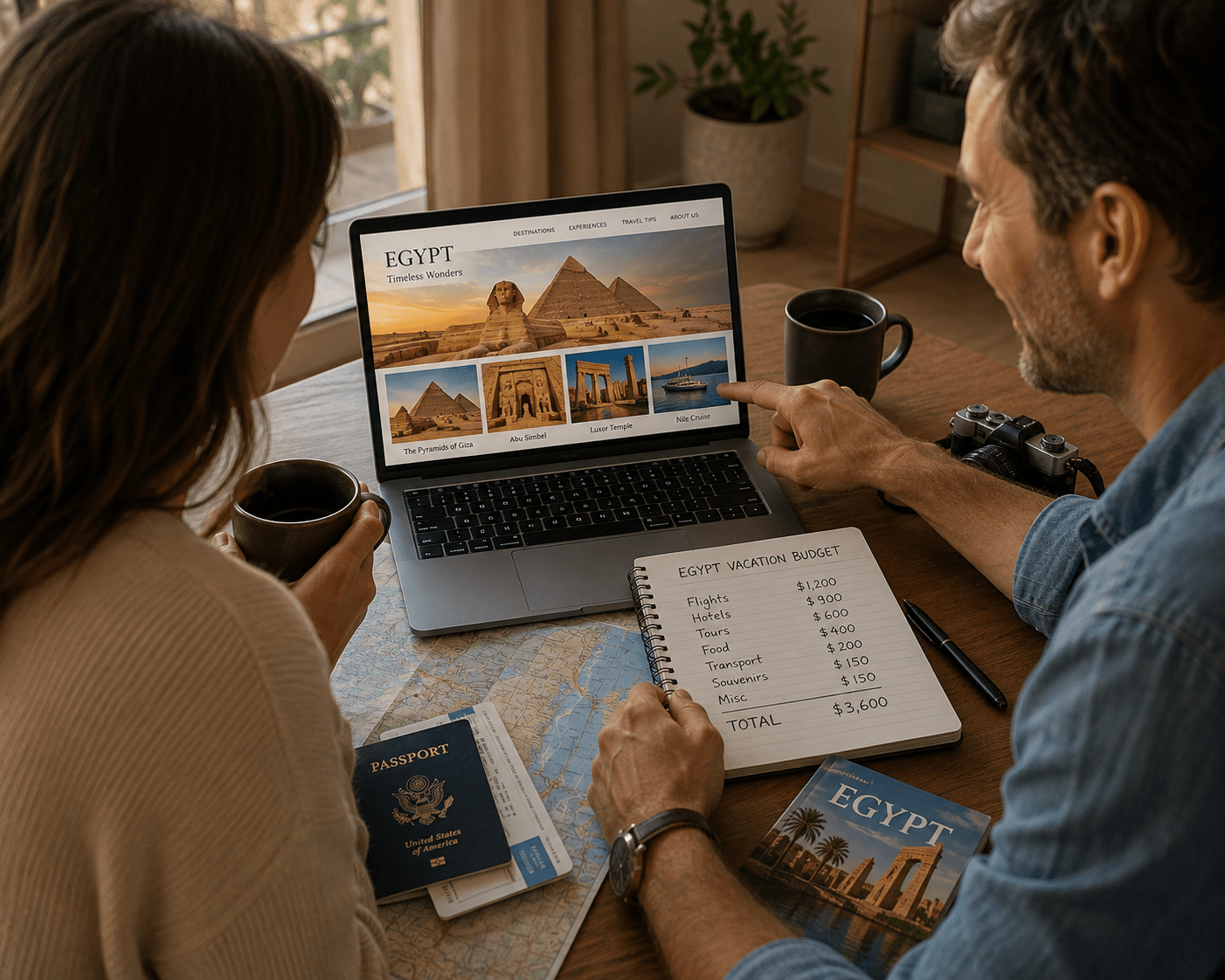
Egypt can be affordable, expensive, or somewhere in between. The total depends less on everyday food and transportation than on four major decisions: where you stay, whether you fly between cities, how you visit archaeological sites, and whether your itinerary includes a Nile cruise.
A traveler staying in simple guesthouses, eating mainly at local restaurants, using trains, and visiting attractions independently can spend relatively little once inside the country. A traveler choosing international hotels, private guides, domestic flights, and a higher-end Nile cruise may spend several times as much while following almost the same route.
That difference is why broad claims that “Egypt is cheap” are not very useful. A bowl of koshari may cost less than a coffee in many Western cities, but a week that includes the Grand Egyptian Museum, the Pyramids of Giza, Luxor’s main sites, domestic flights, private transfers, and a cruise is not a low-cost trip.
This guide provides realistic planning ranges rather than pretending there is one standard price. All figures are estimates for international visitors, checked in August 2026, and should be confirmed before booking because Egypt’s exchange rate, admission prices, hotel rates, and transportation fares can change.
Quick Answer
Excluding international airfare, a realistic daily budget for Egypt is approximately:
| Travel style | Estimated cost per person, per day | What that normally covers |
|---|---|---|
| Budget | US$45–75 | Basic accommodation, local meals, shared or public transport, independent sightseeing |
| Comfortable mid-range | US$110–190 | Good hotel, restaurant meals, ride-hailing or transfers, major attractions, some guided touring |
| Higher-end | US$250–500+ | Luxury hotel, private guide and driver, premium meals, domestic flights and higher-end experiences |
A comfortable first-time trip covering Cairo, Luxor, Aswan, and the Nile usually costs more than a Cairo-only visit because transport, archaeological admission fees, and cruise arrangements quickly increase the total.
For a 7-day trip excluding international flights, one person might reasonably budget:
- US$500–800 for a careful budget trip
- US$1,000–1,700 for a comfortable mid-range trip
- US$2,500 or more for a private or luxury itinerary
Those figures are not package quotations. They are planning estimates designed to show how costs accumulate.
What Is Included in These Estimates?
Unless stated otherwise, the budgets in this guide include accommodation, meals, local transportation, major sightseeing admissions, and ordinary incidental expenses.
They do not automatically include international airfare, travel insurance, shopping, alcohol, optional premium tombs, hot-air balloon rides, diving, or extensive private guiding. A Nile cruise is also treated separately because cruise prices vary considerably according to ship, cabin, season, inclusions, and whether excursions are bundled into the fare.
All hotel estimates assume one room shared by two people. Solo travelers should expect to pay more per person for accommodation and cruises because a room or cabin is often priced primarily by occupancy rather than divided neatly in half.
Accommodation Costs in Egypt
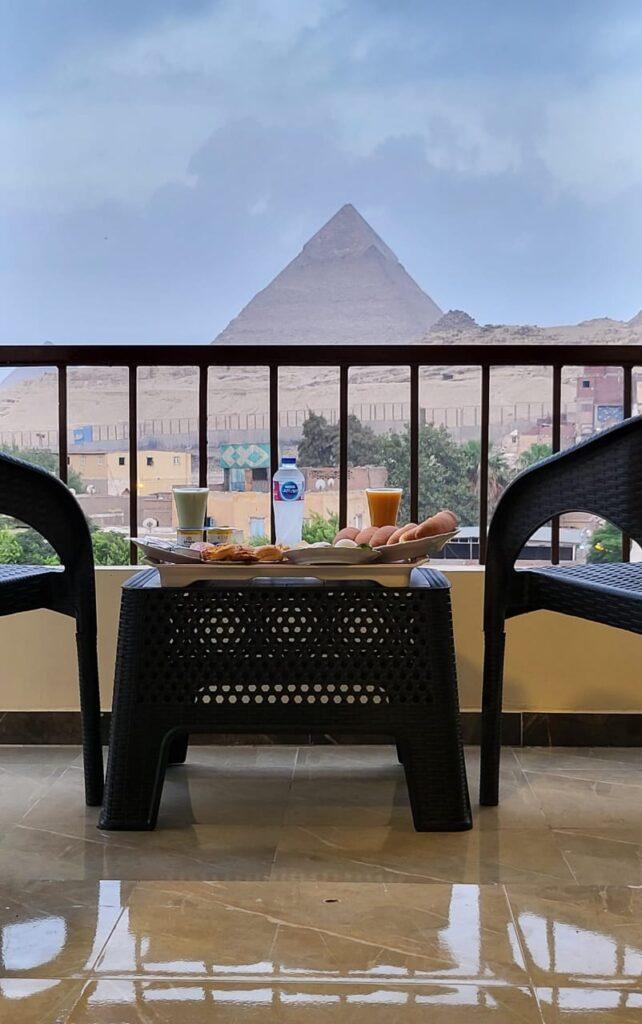
Accommodation is often the largest flexible part of an Egypt budget. Cairo in particular has everything from inexpensive family-run hotels near Giza to major international properties along the Nile.
A current Booking.com snapshot showed average weekend rates in Cairo of approximately US$64 for a 3-star hotel, US$85 for a 4-star hotel, and US$169 for a 5-star hotel, although individual properties ranged much higher or lower. These are live market figures rather than fixed rates, and holiday dates, location, views, breakfast, taxes, and cancellation terms can substantially change the final price.
For practical budgeting, these ranges are more useful:
| Accommodation type | Typical nightly planning range per room |
|---|---|
| Hostel bed or very simple guesthouse | US$12–30 |
| Clean budget hotel | US$30–60 |
| Comfortable mid-range hotel | US$60–130 |
| International or upscale hotel | US$130–250 |
| High-end luxury property | US$250–600+ |
A low price does not always represent good value. In Cairo, location can save considerable time and transportation expense. A cheaper hotel far from the places you plan to visit may lead to long journeys through traffic every day.
Before booking, check whether the advertised price includes taxes, breakfast, airport pickup, and service charges. Also verify whether payment is taken in Egyptian pounds or converted into another currency. A property showing a low base rate can become noticeably more expensive once taxes, fees, and transfers are added.
Example: Seven Nights of Accommodation
A couple staying seven nights might spend approximately:
| Style | Seven-night room cost | Cost per person when shared |
|---|---|---|
| Budget | US$245–420 | US$123–210 |
| Mid-range | US$560–910 | US$280–455 |
| Upscale | US$1,120–1,750 | US$560–875 |
This is one reason couples often find Egypt more economical than solo travelers. The room cost is shared, while a solo visitor usually pays close to the full nightly rate alone.
How Much Does Food Cost in Egypt?
Food is one of the easiest areas in which to control spending without sacrificing the experience.
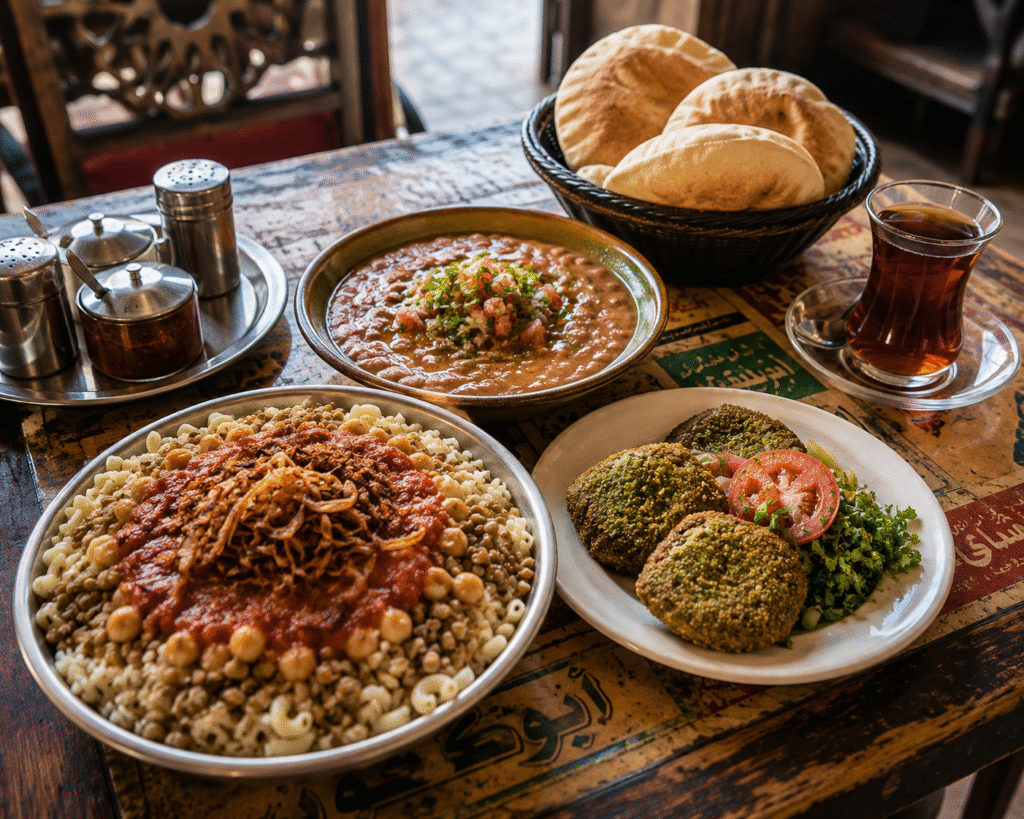
Local Egyptian meals can be inexpensive. A bowl of koshari, for example, has recently been listed at roughly EGP 30–65 depending on the restaurant and portion. Breakfasts built around ful, taameya, eggs, bread, cheese, or pastries are also generally affordable at local establishments.
For day-to-day budgeting, the following ranges are realistic:
| Meal type | Approximate cost per person |
|---|---|
| Local breakfast or simple street-food meal | EGP 50–150 |
| Casual local restaurant meal | EGP 150–350 |
| Mid-range restaurant meal | EGP 350–800 |
| Upscale hotel or fine-dining meal | EGP 900–2,500+ |
A traveler eating mainly local food may spend the equivalent of US$10–20 per day on meals. Someone mixing local restaurants with tourist-oriented or hotel dining should plan closer to US$25–50 per day. High-end restaurants, imported alcohol, rooftop venues, and hotel dining can push food spending much higher.
It is also worth checking what your accommodation includes. A good breakfast can reduce daily food costs, while Nile cruise fares usually include breakfast, lunch, and dinner. Drinks, speciality dining, and alcohol may still be extra.
The least expensive meal is not automatically the wisest choice. Cleanliness, food turnover, refrigeration, and how recently food was prepared matter more than saving a small amount. Busy local restaurants serving freshly cooked food often offer a better combination of value and reliability than empty establishments with very low prices.
Attraction and Archaeological-Site Costs
Entrance fees are one of the costs travelers most commonly underestimate.
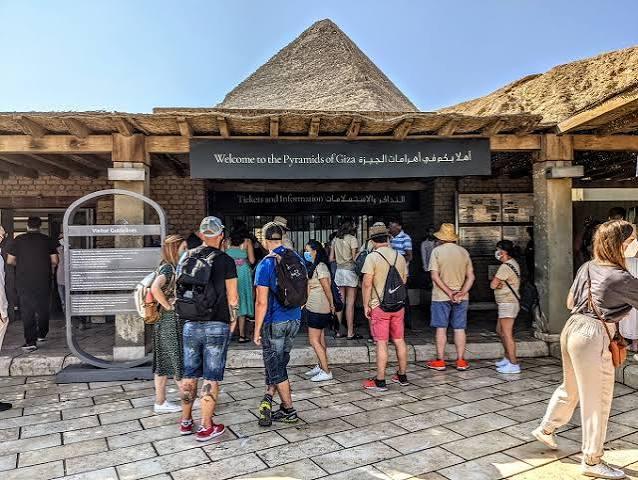
Egypt’s major archaeological sites are individually affordable compared with many international attractions, but a typical itinerary may involve several tickets per day. Additional charges can apply for entering specific pyramids, premium royal tombs, special galleries, photography equipment, or boat transfers.
Current official foreign-adult admission prices include:
| Attraction | Foreign adult price checked August 2026 |
|---|---|
| Giza Plateau | EGP 700 |
| Interior of the Great Pyramid of Khufu | EGP 1,500 extra |
| Menkaure Pyramid | EGP 280 extra |
| Luxor Temple | EGP 500 |
| Karnak Temple | EGP 600 |
| Philae Temple | EGP 550 |
| Abu Simbel | EGP 822 |
| Salah El-Din Citadel | EGP 550 |
| Luxor Museum | EGP 400 |
These figures come from Egypt’s official monument-ticketing portal and are shown in Egyptian pounds. The Giza admission covers access to the plateau but not entry into the Great Pyramid, which requires a separate ticket.
A traveler visiting the Giza Plateau and entering the Great Pyramid would therefore spend EGP 2,200 before adding transportation, guiding, or the museum. In Luxor, a day combining Karnak Temple, Luxor Temple, and Luxor Museum would cost EGP 1,500 in admission alone.
This is where vague daily budgets can become misleading. A visitor may spend very little on lunch and transportation, then spend several thousand Egyptian pounds on sightseeing.
How Much Should You Reserve for Entrance Fees?
For a classic first-time itinerary, a sensible planning amount is approximately:
- EGP 3,000–5,000 per person for a Cairo-focused visit
- EGP 6,000–10,000 per person for Cairo plus major Luxor and Aswan attractions
- More if you plan to enter premium tombs, pyramid interiors, specialised museums, or several additional archaeological sites
These are planning allowances, not official passes or fixed packages. The exact total depends on what you choose to enter.
Do not assume your guide, tour, driver, or cruise price includes admission. Some packages include every standard entrance ticket; others include transportation and guiding but leave tickets for the traveler to purchase separately. Ask for a written list of inclusions before comparing prices.
Transportation Costs Within Cities
Transportation inside Cairo is relatively affordable compared with accommodation and attraction costs, but traffic and distance matter.
Ride-hailing is generally easier for international visitors because the app displays the route, driver, and expected fare. Street taxis may be cheaper in some situations, but disagreements over meter use, currency, or the final fare can make the saving insignificant.
For planning purposes, allow approximately:
| Journey | Sensible planning range |
|---|---|
| Short ride within central Cairo | EGP 100–250 |
| Longer journey across Cairo or Giza | EGP 250–600 |
| Airport transfer by ordinary ride-hailing car | EGP 400–900 |
| Prearranged private airport transfer | US$20–50+ |
These are not regulated fixed fares. Traffic, pickup point, vehicle type, demand, airport access, and time of day all affect the amount shown in the app.
Travelers should not budget only for the distance between attractions. Cairo is large, and a day involving the Grand Egyptian Museum, Giza Plateau, and central Cairo can include several substantial journeys. A couple using ride-hailing may still find it inexpensive, while a family needing a larger vehicle or private driver will spend more.
Travel Between Cairo, Luxor, and Aswan
Moving between Egypt’s main destinations is where a budget can change quickly.
Domestic flights save time and are often the practical choice for visitors with a short itinerary. However, fares fluctuate according to date, baggage, booking time, and demand. EgyptAir operates online booking and publishes special fares as total prices including transportation charges, taxes, fees, and surcharges, but travelers must search their exact route and date for a usable quote.
A realistic planning allowance for a one-way domestic flight is:
- US$70–160 per person when booked in advance under ordinary conditions
- US$150–250 or more for popular dates, flexible fares, late bookings, or busy holiday periods
A couple taking two domestic flights could therefore spend US$280–640 before airport transfers.
Trains may cost less, but the journey is much longer. Egypt’s official railway booking portal currently states that online reservations for foreign nationals remain under construction, so international travelers should not assume they can use the same online process available to Egyptian nationals.
That is an important Egypt-specific planning detail. A low train fare shown on a secondary website is not enough; visitors also need to understand how and where they can legally purchase the appropriate ticket.
Private road transfers provide door-to-door convenience but are normally more expensive than trains and can take many hours. They make the most sense for routes that are poorly served by flights or rail, for families sharing one vehicle, or for travelers combining sightseeing with transportation.
How Much Does a Nile Cruise Cost?
A Nile cruise is one of the most difficult costs to summarise because the phrase describes very different products.
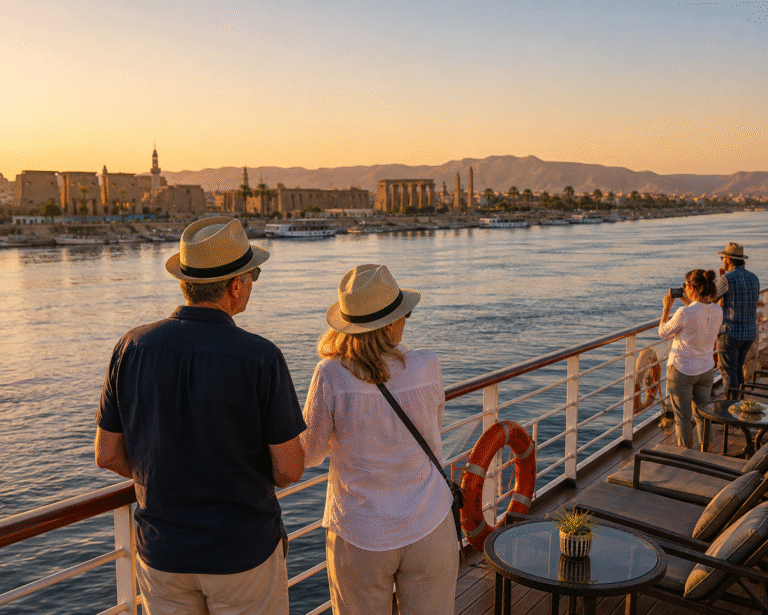
A lower-priced cruise may include the cabin and meals but exclude guiding, tickets, transfers, drinks, and optional excursions. Another fare may include a private Egyptologist, airport pickup, attraction admissions, and a larger cabin. Dahabiyas and luxury vessels can cost several times more than standard cruise ships.
For planning, use these broad ranges per person for a typical three- or four-night sailing:
| Cruise style | Approximate planning range per person |
|---|---|
| Lower-priced standard cruise | US$300–550 |
| Comfortable mid-range cruise | US$550–1,000 |
| Upscale or luxury cruise | US$1,000–2,500+ |
| Private or boutique dahabiya | US$1,500–4,000+ |
A current cruise listing describes the four-night Luxor-to-Aswan route as a five-day sailing with stops at the principal temple sites between the two cities. However, the itinerary alone tells you almost nothing about value. The real comparison is what the quoted price includes.
Before booking, ask for written confirmation of:
- Cabin category and deck
- Meals and drinks
- Guide services
- Attraction tickets
- Airport or hotel transfers
- Optional excursions
- Taxes and service fees
- Single supplement
- Cancellation conditions
A cruise advertised at US$400 may cost more overall than one priced at US$650 if guiding, admissions, and transfers must be purchased separately.

Do You Need a Private Guide and Driver?
Egypt can be visited independently, but private guiding is one of the most common upgrades for first-time travelers.
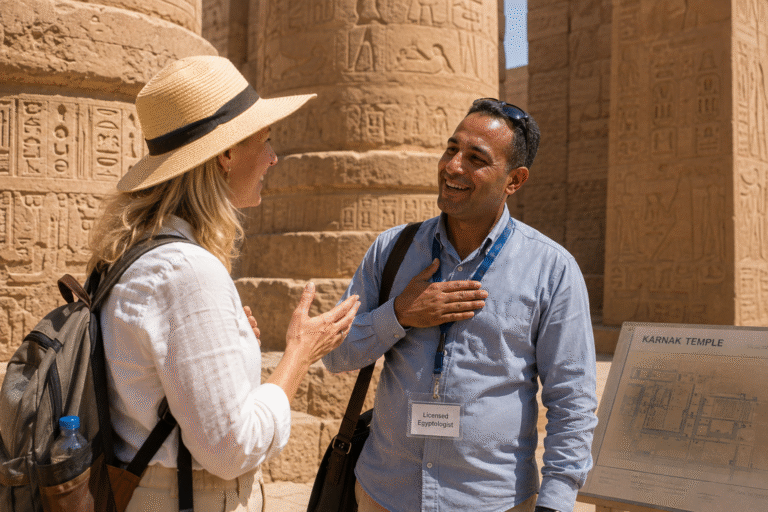
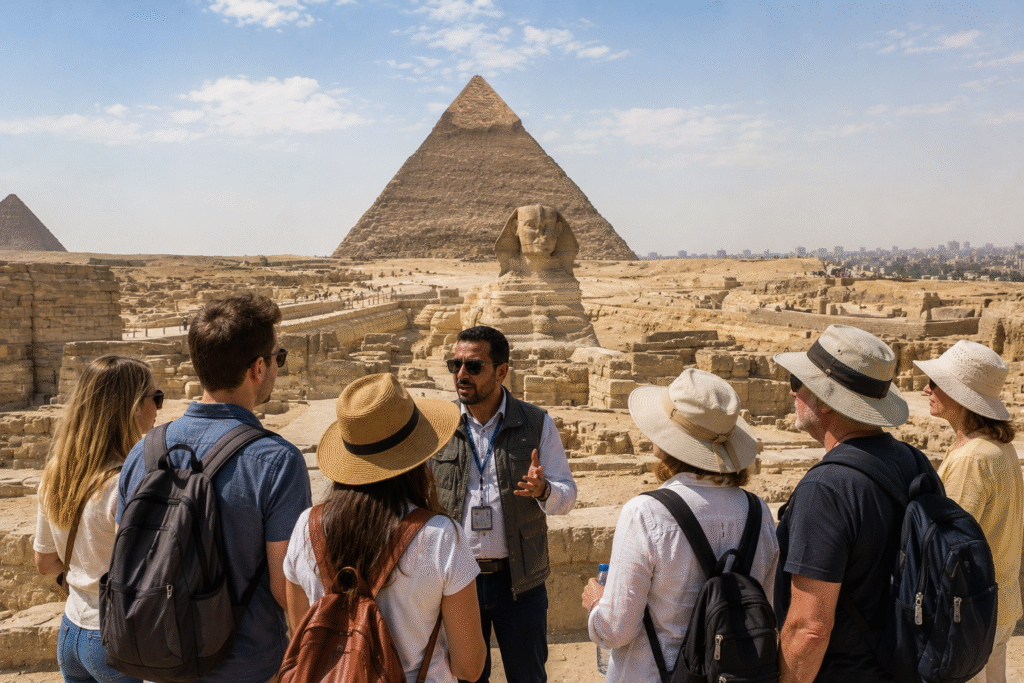
A licensed guide adds historical explanation, helps organise timing, and can reduce confusion at large sites. A driver allows you to move directly between locations without repeatedly arranging transport. In Cairo and Luxor, this combination can save time even when it does not save money.
For a private guide and vehicle, allow approximately:
- US$80–150 per day for simpler arrangements
- US$150–300+ per day for a guide, dedicated vehicle, longer hours, airport transfers, or more complex touring
Ticket costs and meals may be additional. Larger families or small groups may find the per-person cost reasonable because the guide and vehicle charge is shared.
Independent travelers should not feel obligated to hire a guide everywhere. Museums, markets, and some temples can be explored alone. A sensible compromise is to hire a guide for historically complex days—such as Giza and Saqqara or Luxor’s West Bank—then explore other areas independently.
A Realistic Seven-Day Egypt Budget
Consider a traveler spending three nights in Cairo, flying to Luxor, visiting the major sites, and continuing toward Aswan without a Nile cruise.
Budget Traveler
A careful budget traveler might spend:
| Expense | Seven-day estimate |
|---|---|
| Accommodation | US$150–250 |
| Meals | US$90–150 |
| Local transportation | US$60–110 |
| Intercity transportation | US$100–200 |
| Attraction tickets | US$130–220 equivalent |
| Miscellaneous | US$50–80 |
| Estimated total | US$580–1,010 |
The lower end requires simple accommodation, limited private transport, careful attraction choices, and early booking. It does not include a cruise or extensive private guiding.
Comfortable Mid-Range Traveler
A traveler choosing better hotels, restaurant meals, domestic flights, ride-hailing, and some guided touring might spend:
| Expense | Seven-day estimate |
|---|---|
| Accommodation | US$350–550 |
| Meals | US$180–300 |
| Local transportation and transfers | US$120–220 |
| Domestic flight or intercity transport | US$150–300 |
| Attraction tickets | US$150–250 equivalent |
| Guiding and experiences | US$200–450 |
| Miscellaneous | US$80–150 |
| Estimated total | US$1,230–2,220 |
A couple sharing rooms and private transportation may spend less per person than two solo travelers following the same itinerary.
Higher-End Traveler
A higher-end traveler using upscale hotels, private guiding, premium transfers, domestic flights, and upgraded dining should plan on approximately US$2,500–5,000 or more per person for seven days, excluding international airfare. A luxury cruise, premium suites, private access arrangements, or top international hotels can raise the total substantially.
What Costs More Than Travelers Expect?
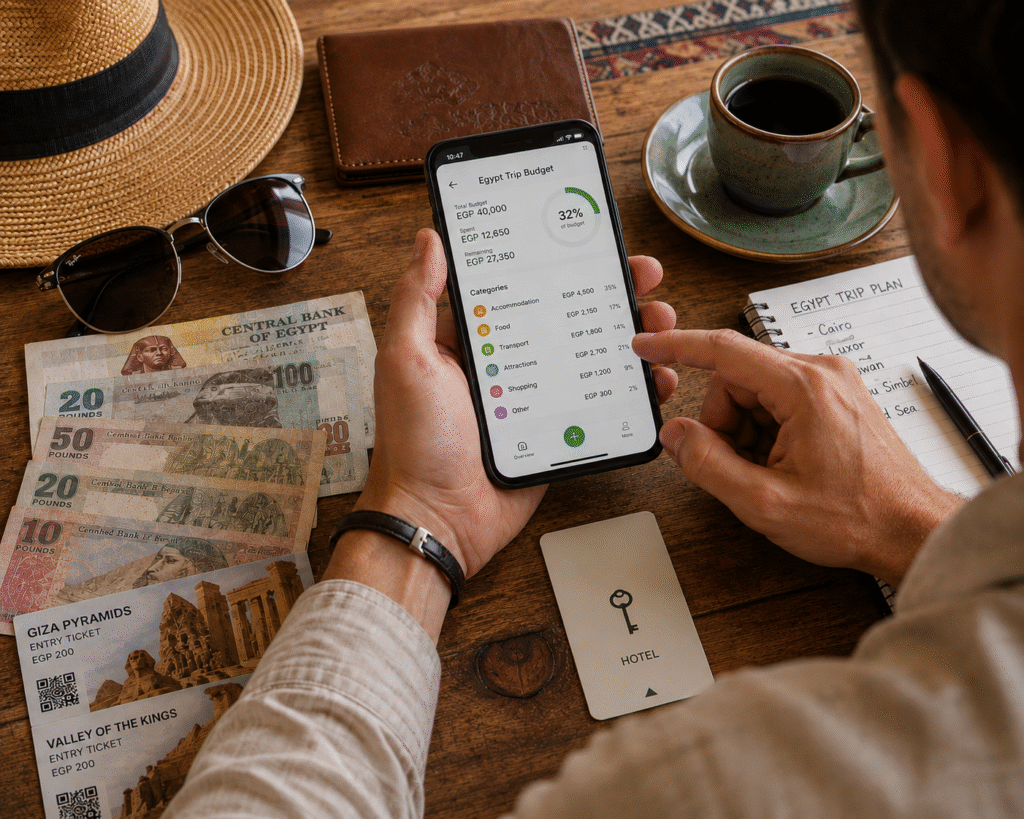
Admission fees are the first surprise. Each individual ticket may appear manageable, but a multi-city archaeological itinerary can require a significant sightseeing budget.
The second surprise is transportation between destinations. Egypt’s famous sites are spread across a long geographic corridor. Cairo, Luxor, Aswan, Abu Simbel, Alexandria, and the Red Sea cannot all be combined inexpensively without accepting long travel times.
The third surprise is the difference between a cruise fare and the true cruise cost. Travelers sometimes compare two advertised prices without noticing that one includes guiding, tickets, and transfers while the other includes only a cabin and meals.
Finally, tips, drinks, optional tombs, airport transfers, and small service payments can accumulate. None may be especially large alone, but they should not be ignored when creating a daily budget.
Where Can You Save Money Without Weakening the Trip?
The best savings usually come from changing the structure of the trip rather than cutting every small expense.
Staying in a well-located mid-range hotel may cost slightly more per night but reduce both transportation expense and time lost in traffic. Choosing one well-planned private guided day can be better value than booking several short, fragmented excursions. Traveling outside Christmas, New Year, and the busiest winter weeks may lower accommodation and cruise rates.
You can also reduce costs by deciding which premium admissions genuinely matter to you. Entering the Great Pyramid is meaningful for some visitors, while others prefer to admire the structure from outside and spend the additional ticket cost elsewhere.
Food is rarely the place where aggressive savings are necessary. Egypt’s local restaurants already offer good value. Eating Egyptian food at busy, well-regarded establishments is often both cheaper and more memorable than relying on hotel restaurants.
Where Is It Worth Spending More?
Reliable airport transfers are often worth the additional expense after a long international flight, particularly for first-time visitors arriving late at night.
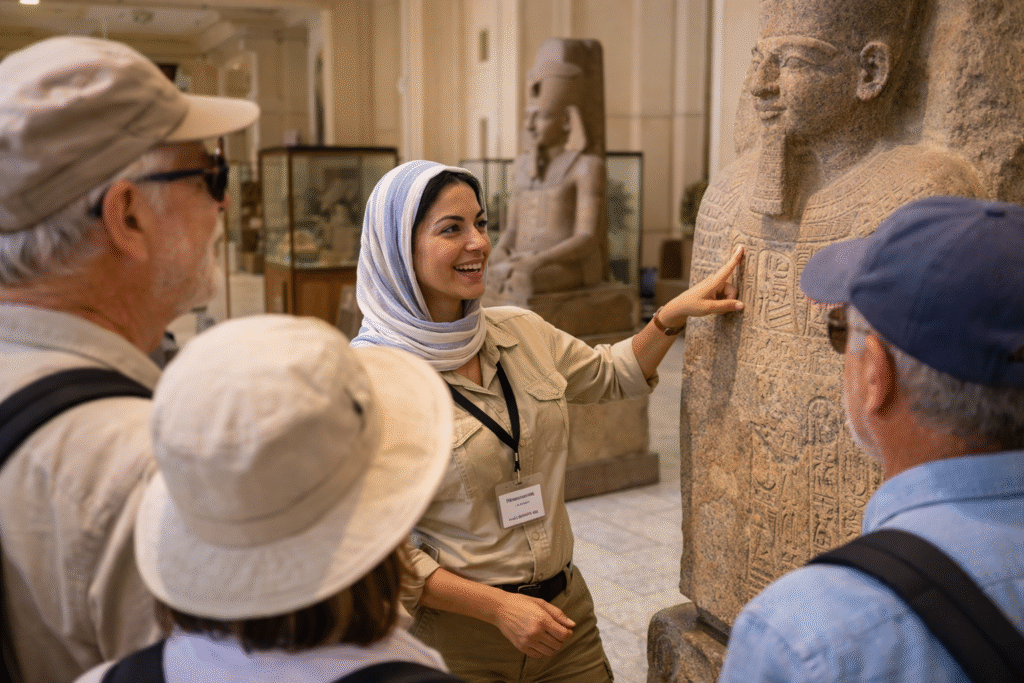
A knowledgeable licensed guide can also be worth paying for at sites where historical context changes the experience. The temples and tombs of Luxor are visually impressive on their own, but understanding their purpose, chronology, and symbolism adds considerably more value.
It may also be worth spending more on a Nile cruise cabin with a good position and clear written inclusions. The cheapest cabin beside noisy machinery or below a busy public deck may not feel like a saving after several nights.
Above all, spend more where it protects time. International visitors often have only seven to 10 days in Egypt. Saving a modest amount by choosing an awkward hotel, an unnecessarily long connection, or unreliable transport can cost more in lost experiences than it saves in money.
Frequently Asked Questions
Is Egypt cheap for tourists?
Egypt can offer excellent value, particularly for local food, ride-hailing, and basic accommodation. However, a complete first-time itinerary is not automatically cheap. Major attraction tickets, domestic flights, guides, private transfers, and Nile cruises can make the trip moderately expensive.
How much spending money do I need per day?
After prepaid accommodation and major tours, many travelers find US$30–60 per person per day sufficient for meals, local transportation, water, small tips, and incidental expenses. Travelers eating in upscale restaurants, drinking alcohol, shopping, or booking activities should carry a larger allowance.
How much should a couple budget for 10 days?
Excluding international airfare, a couple sharing rooms might budget approximately:
US$1,600–2,400 total for a careful budget trip
US$3,000–5,000 total for a comfortable mid-range trip
US$7,000 or more for a private, upscale, or luxury itinerary
A Nile cruise, number of domestic flights, season, and hotel standard will determine where the final total falls.
Should I carry Egyptian pounds or US dollars?
Everyday spending and official attraction tickets are generally priced in Egyptian pounds. Some hotels, cruises, and tourism services may quote in US dollars or euros. Travelers should confirm the required payment currency before arrival rather than assuming every business accepts the same form of payment.
Are attraction tickets cheaper for students?
The official monument portal lists reduced student prices for eligible visitors. It states that students must present valid identification and must not be older than 24. Travelers should confirm what student documentation is accepted before relying on the discount.
Related Egyptian Nile Adventures Articles
Planning your budget is only one part of organizing a successful trip to Egypt. These guides will help you decide when to visit, how long to stay, and how to make the most of your time and money.
Continue Planning Your Trip
- Best Time to Visit Egypt – Learn how weather, crowds, and seasonal prices affect your trip.
- How Many Days Do You Need in Egypt? – Compare realistic itineraries for 4, 7, 10, and 14 days.
- First-Time Visitor’s Guide to Egypt – A complete roadmap for planning your first visit.
- Money in Egypt: Currency, ATMs & Paying for Things – Understand Egyptian pounds, exchanging money, ATMs, and credit card acceptance.
- Tipping in Egypt: When, Where & How Much – Learn when tipping is expected and how much to budget.
- Egypt Transportation Guide – Compare flights, trains, ride-hailing apps, taxis, and private transfers to travel efficiently around Egypt.
Conclusion
A trip to Egypt does not have one standard price.
A budget traveler can explore the country relatively affordably by staying in simple accommodation, eating locally, limiting private transport, and choosing attractions carefully. A mid-range visitor can enjoy good hotels, domestic flights, guided days, and major archaeological sites without moving into luxury pricing. At the upper end, Egypt offers international hotels, private Egyptologists, premium cruises, and highly personalised itineraries capable of matching almost any budget.
For most first-time visitors, the safest planning approach is to budget more for admissions and intercity transportation than you initially expect, then treat inexpensive local meals and everyday transport as opportunities to balance the total.
The real question is not simply whether Egypt is cheap. It is whether your budget reflects the trip you actually want to take. Once accommodation, transportation, sightseeing, guiding, and cruise inclusions are separated clearly, Egypt becomes much easier to budget for—and far less likely to produce expensive surprises.