Best Time to Visit Egypt: A Month-by-Month Guide for Every Type of Traveler
Planning a trip to Egypt isn’t simply about finding available flights or choosing a hotel. The time of year you visit can shape almost every part of your experience—from how comfortable you feel exploring the pyramids to the crowds you’ll encounter at major attractions and even the type of activities you can enjoy.
The good news is that Egypt is a year-round destination. There is no single “perfect” month to visit because the best time depends on what you hope to experience. Some travelers prioritize cooler temperatures for sightseeing, while others are happy to visit during the hotter months in exchange for lower prices and fewer crowds. Beach vacations along the Red Sea follow different seasonal patterns than archaeological tours through Upper Egypt, making timing even more personal.
Understanding how Egypt changes throughout the year will help you choose dates that match your travel style rather than simply following general recommendations.
Quick Answer
For most first-time visitors, October through April offers the most comfortable weather for sightseeing. Daytime temperatures are generally pleasant across Cairo, Luxor, Aswan, and the Nile Valley, making long days of exploring temples and archaeological sites much more enjoyable.
Traveling between May and September is certainly possible, but visitors should be prepared for significantly higher temperatures, particularly in Upper Egypt, where summer afternoons regularly exceed 40°C (104°F). The advantage is that you’ll often find lower hotel prices, fewer crowds, and a more relaxed atmosphere at many attractions.
Ultimately, the best time to visit Egypt depends less on the calendar and more on the type of trip you’re planning.
Why Timing Matters More Than Many Travelers Realize
Unlike destinations where weather changes dramatically between rain and sunshine, Egypt’s seasons are defined primarily by temperature.
Rainfall is minimal across most of the country, meaning you rarely need to plan your vacation around a rainy season. Instead, your experience is shaped by how comfortable it is to spend several hours outdoors visiting temples, tombs, archaeological sites, and markets.
A visit to Luxor in January feels very different from visiting the same temple in July. The monuments are identical, but the climate changes the pace of your day, the amount of time you’ll comfortably spend outdoors, and even how early your sightseeing begins.
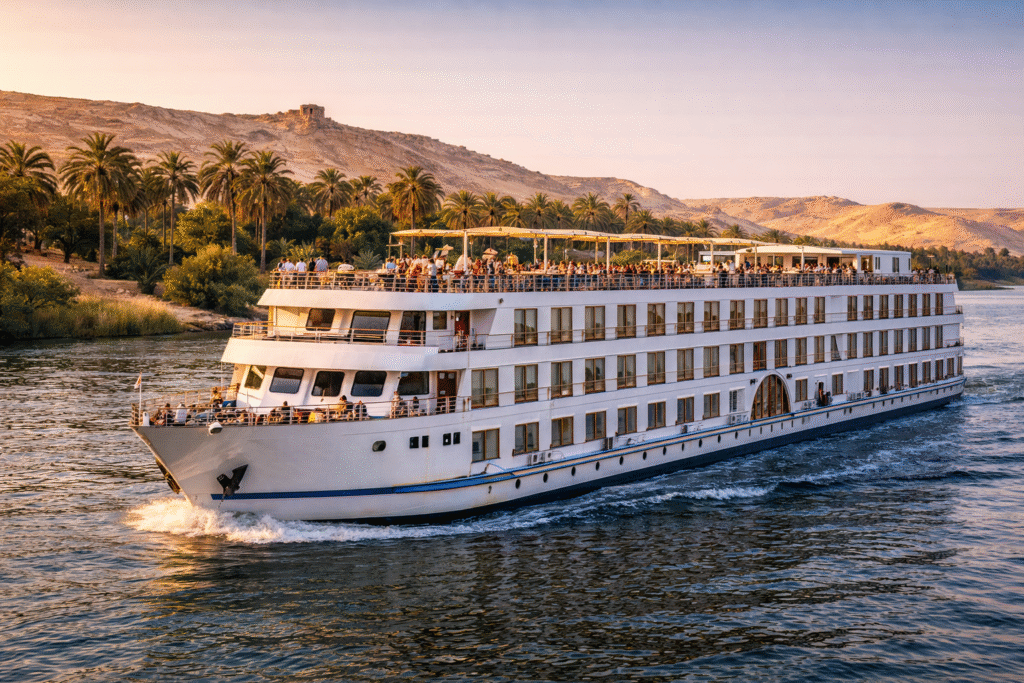
The same is true for Nile cruises. While cruising the Nile is enjoyable throughout the year, shore excursions to places such as Karnak Temple, the Valley of the Kings, Kom Ombo, or Abu Simbel become considerably easier during the cooler months.
Understanding these seasonal differences helps you build an itinerary that works with Egypt’s climate instead of against it.
Egypt’s Seasons at a Glance
| Season | Months | Weather | Best For |
|---|---|---|---|
| Winter | December – February | Mild days, cool evenings | Sightseeing, Nile cruises, first-time visitors |
| Spring | March – April | Warm with occasional desert winds | General touring, photography |
| Summer | May – August | Very hot, especially in Upper Egypt | Budget travel, Red Sea resorts |
| Autumn | September – November | Cooling temperatures | Balanced weather and smaller crowds |
For many travelers, autumn and winter provide the best overall balance between comfortable temperatures and enjoyable sightseeing conditions.
Visiting Egypt in Winter (December to February)
Winter is widely considered Egypt’s peak tourism season, and it’s easy to understand why.
Across much of the country, daytime temperatures are comfortably warm without becoming oppressive. Cairo often enjoys pleasant afternoons, while Luxor and Aswan offer ideal conditions for exploring archaeological sites that would be far more demanding during summer.
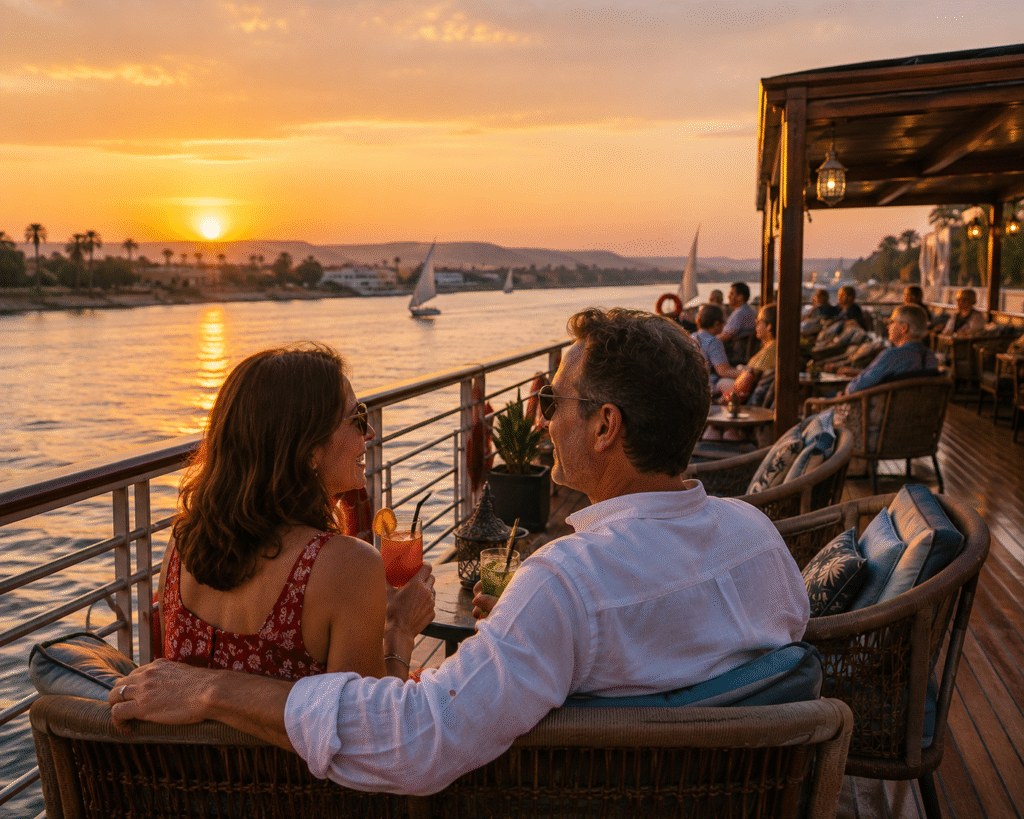
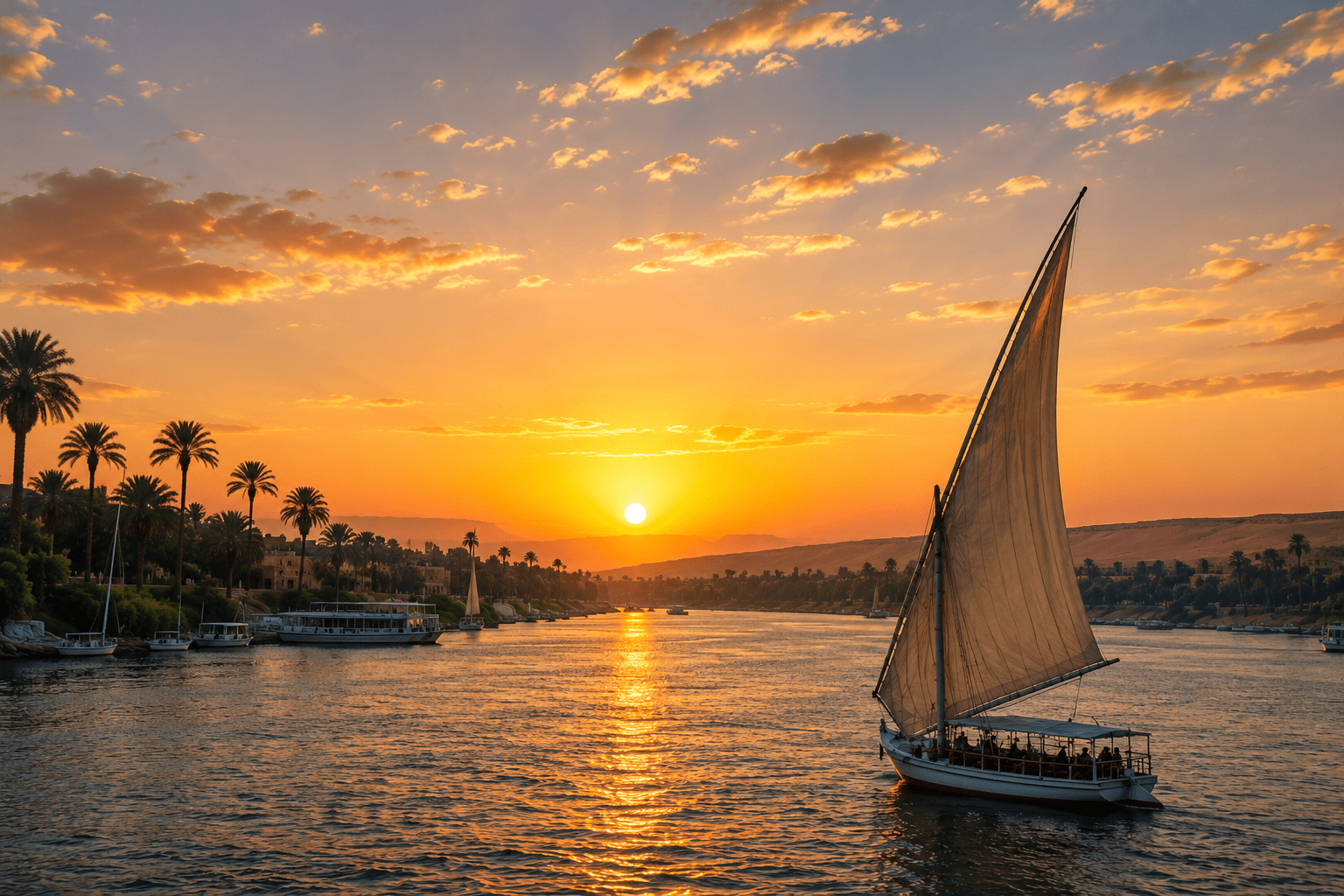
This is also the most popular season for Nile cruises. Walking through Karnak Temple, climbing the steps of Abu Simbel, or wandering the Valley of the Kings is simply more enjoyable when temperatures remain moderate.
The popularity of winter does have a downside. Hotels, cruises, and domestic flights are often in greater demand, particularly during Christmas, New Year, and school holiday periods. Travelers hoping to visit during these months should book well in advance, especially if they have specific cruise ships or hotels in mind.
Although winter days are warm, evenings—particularly in the desert and on Nile cruises—can become surprisingly cool. A light jacket or sweater is usually sufficient for evenings outdoors.
For first-time visitors, winter remains one of the easiest and most comfortable times to experience Egypt.
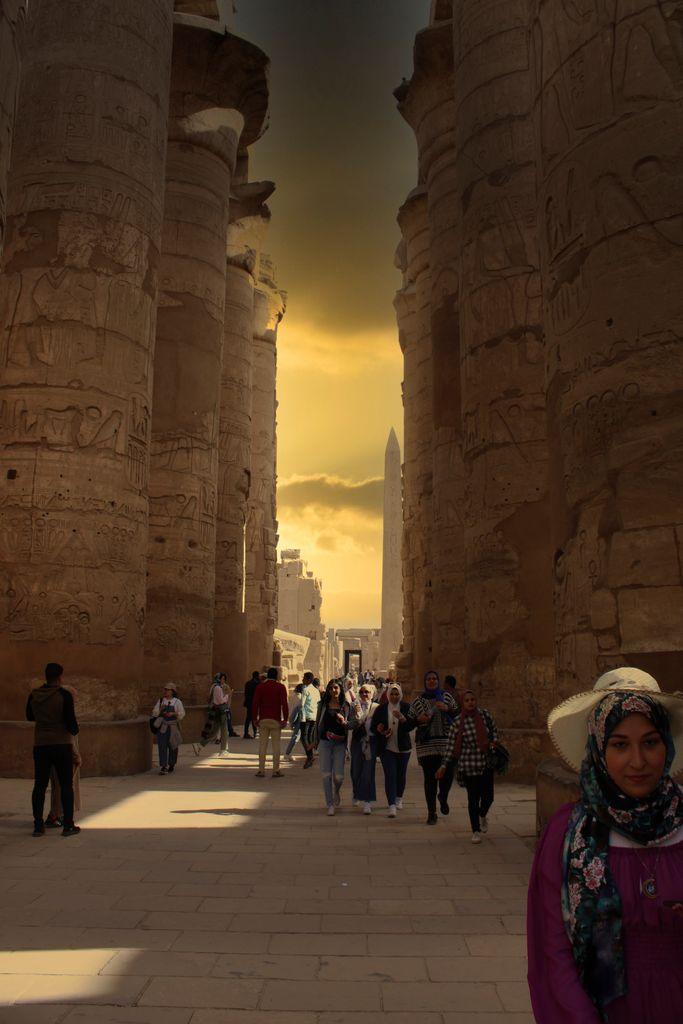
Visiting Egypt in Spring (March and April)
Spring offers many of the same advantages as winter while bringing slightly warmer temperatures and longer daylight hours.
This is an excellent season for travelers who want comfortable sightseeing conditions without visiting during the busiest holiday periods. Gardens become greener, the Nile Valley feels particularly pleasant, and photography benefits from longer golden-hour light in the mornings and evenings.
One factor to be aware of is the Khamsin, a seasonal desert wind that occasionally passes through Egypt during spring. These winds can temporarily reduce visibility and create dusty conditions for a day or two before moving on. They don’t affect every trip, but travelers visiting during March or April should understand that brief dust storms are a normal seasonal event rather than an unusual occurrence.
Most visitors find spring to be one of the most enjoyable times to combine Cairo, a Nile cruise, and a few days at the Red Sea.
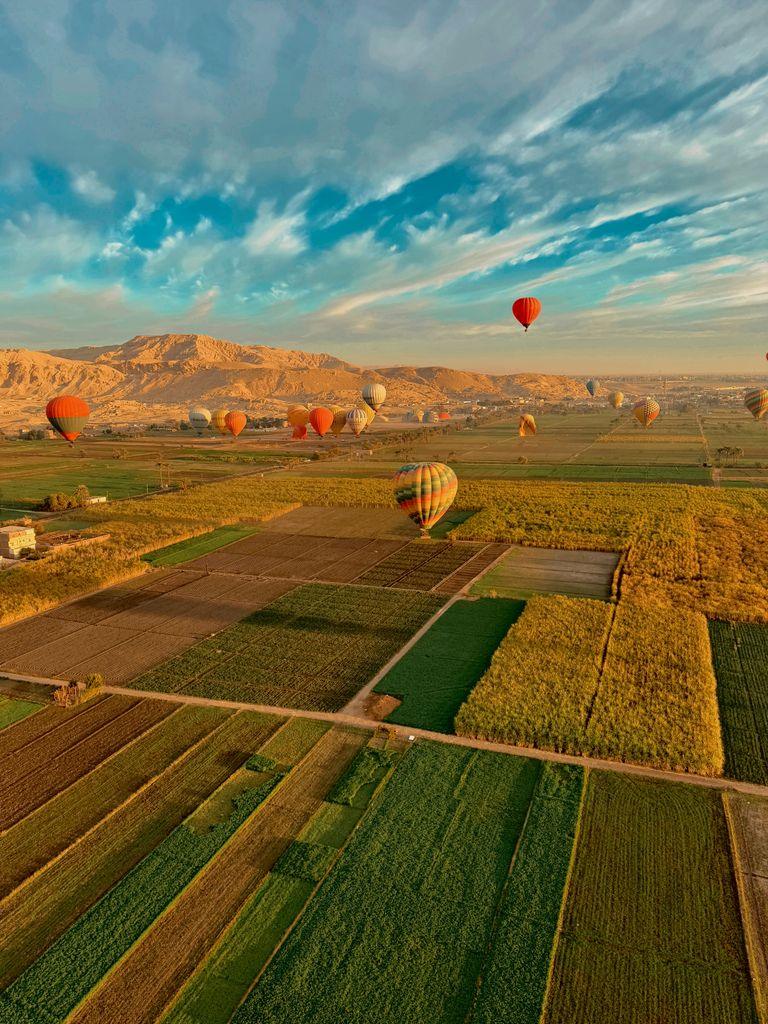
Visiting Egypt in Summer (May to August)
Summer is the season that causes many travelers to hesitate, yet it also offers some of Egypt’s best travel values.
Temperatures rise steadily across the country, reaching their highest levels in Luxor, Aswan, and Abu Simbel. Afternoon sightseeing can become physically demanding, particularly for travelers unaccustomed to extreme heat.
However, that doesn’t mean Egypt should be avoided during summer.
Many experienced visitors simply adjust their schedule. Archaeological sites are visited shortly after opening in the early morning, afternoons are reserved for rest or swimming, and evening hours are spent exploring markets or enjoying outdoor cafés after temperatures begin to fall.
Summer also brings lower accommodation prices in many destinations, greater availability on Nile cruises, and noticeably fewer visitors at major attractions. Standing in front of the Temple of Hatshepsut or exploring sections of the Grand Egyptian Museum with fewer crowds can be a significant advantage for travelers willing to work around the climate.
Red Sea destinations such as Hurghada, El Gouna, Marsa Alam, and Sharm El Sheikh remain popular throughout the summer, where sea breezes help moderate the heat and much of the day is spent in or near the water.
For budget-conscious travelers or those with flexible schedules, summer can offer excellent value, provided the itinerary is planned with the climate in mind.
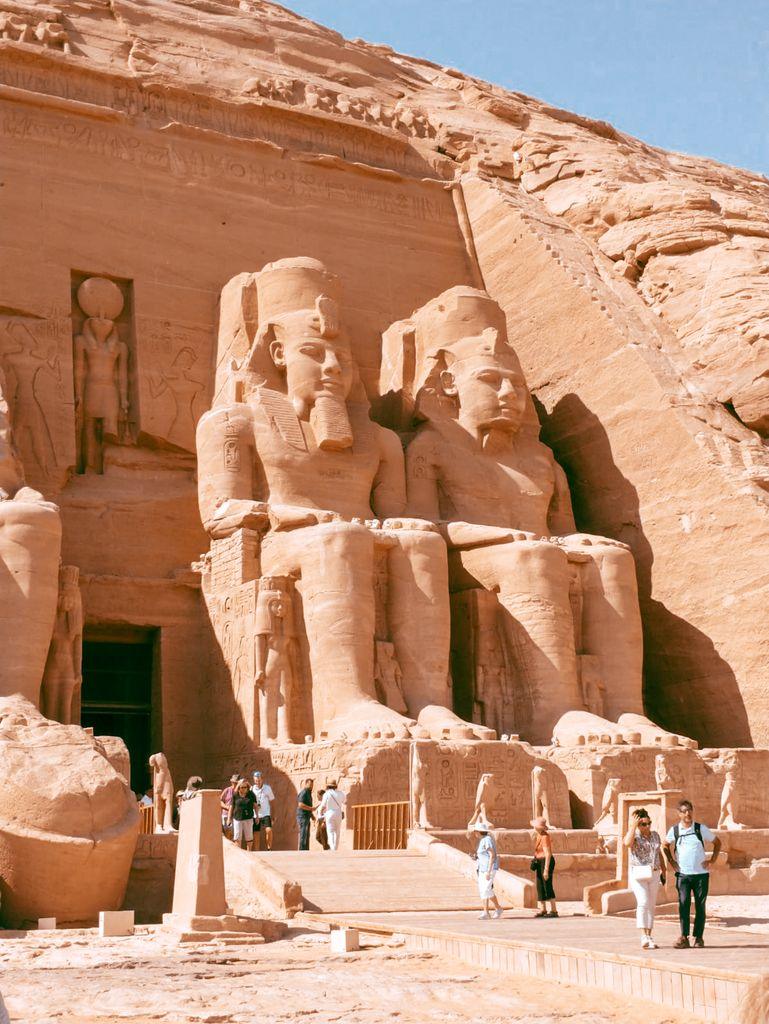
Visiting Egypt in Autumn (September to November)
Autumn marks the transition from the intense heat of summer to the more comfortable conditions that make Egypt one of the world’s premier sightseeing destinations. For many experienced travelers, this is the ideal compromise between weather, crowd levels, and availability.
September can still be very warm, particularly in Upper Egypt, but temperatures gradually become more manageable as October approaches. By late October and throughout November, long days exploring archaeological sites become considerably more comfortable, while evenings remain pleasantly warm.
Unlike the peak holiday season of December and January, autumn often provides a little more breathing room. Hotels, cruises, and attractions are busy but generally less crowded, allowing visitors to enjoy Egypt’s most famous sites without the highest seasonal demand.
Autumn is particularly well suited to travelers planning a classic itinerary that combines Cairo, Luxor, Aswan, and a Nile cruise. It also works well for those wanting to divide their holiday between historical sightseeing and a few relaxing days on the Red Sea.
If you can travel outside school holidays, October and November offer one of the best overall balances that Egypt has to offer.
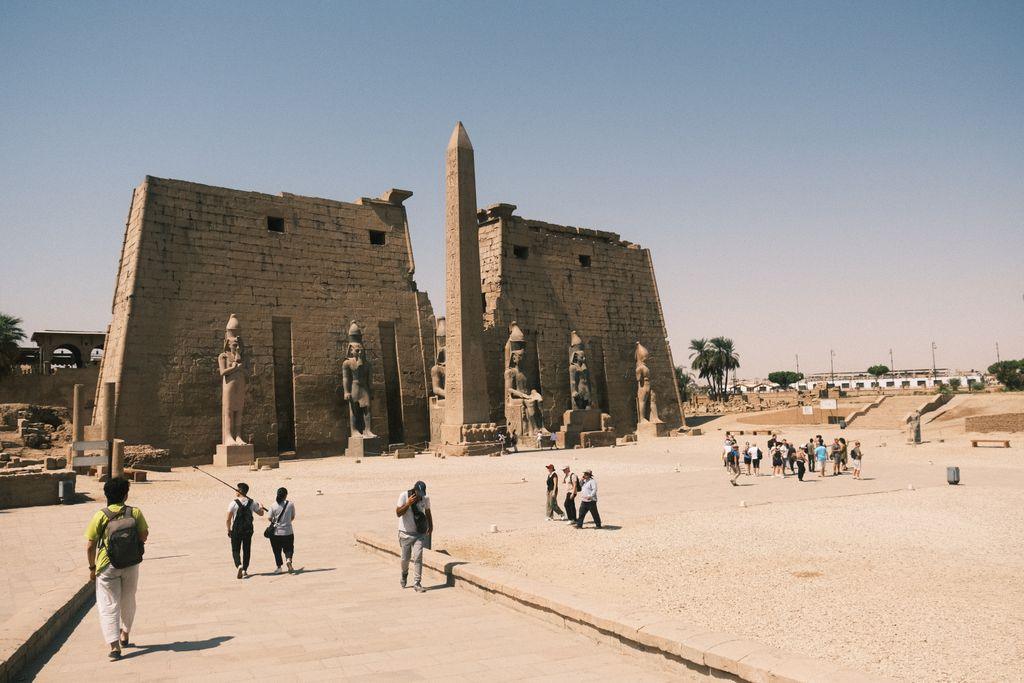
Month-by-Month Guide
While seasonal descriptions are helpful, many travelers prefer to compare individual months. The table below provides a broad overview of what to expect throughout the year.
| Month | Weather | Crowds | Best For |
|---|---|---|---|
| January | Mild and comfortable | High | Sightseeing, Nile cruises |
| February | Mild with longer days | High | First-time visitors |
| March | Warm | Moderate | Touring, photography |
| April | Warm | Moderate to High | Multi-destination itineraries |
| May | Hot | Moderate | Budget-conscious travelers |
| June | Very hot | Low | Red Sea resorts, lower prices |
| July | Extremely hot | Low | Beach holidays, experienced travelers |
| August | Extremely hot | Low | Resort stays and indoor attractions |
| September | Hot but improving | Moderate | Mixed sightseeing and relaxation |
| October | Warm and comfortable | Moderate | Nearly all itineraries |
| November | Pleasant | Moderate to High | First-time visitors, Nile cruises |
| December | Mild | High | Peak sightseeing season |
No month is objectively “bad” for visiting Egypt. Instead, each offers different advantages depending on your priorities.
The Best Time to Visit Egypt for Different Types of Travelers
Choosing when to visit often comes down to matching the season with your travel style rather than simply chasing the “best” weather.
First-Time Visitors
If this is your first trip to Egypt, aim for October through April. Comfortable temperatures make it much easier to spend full days exploring archaeological sites without feeling rushed by the heat. These months also suit itineraries that combine Cairo, Luxor, Aswan, and a Nile cruise.
Families
School holidays naturally influence family travel, making December, spring holidays, and the summer months popular choices. While summer requires careful planning around the heat, many families appreciate the quieter attractions and greater hotel availability. Winter offers the most comfortable sightseeing conditions for younger children.
Budget Travelers
Travelers looking to reduce costs often find the best value between May and September. Hotels, Nile cruises, and some domestic travel services frequently offer lower rates outside the busiest tourist season. The trade-off is the climate, which requires an itinerary built around early mornings and relaxed afternoons.
History Enthusiasts
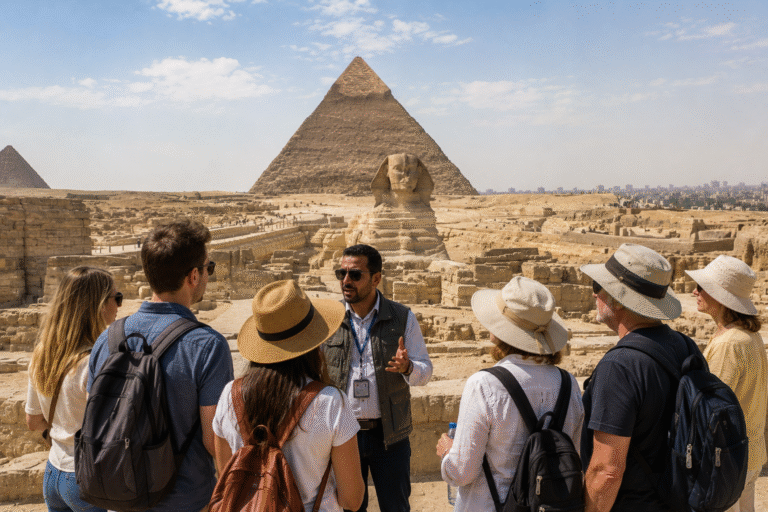
If your goal is spending long hours exploring Egypt’s archaeological treasures, cooler weather should take priority over price. Walking through Karnak Temple, Saqqara, the Valley of the Kings, or Abu Simbel is considerably more enjoyable during winter and autumn than in the middle of summer.
Red Sea Holidays
The Red Sea follows a slightly different rhythm than the Nile Valley. Destinations such as Hurghada, Marsa Alam, El Gouna, and Sharm El Sheikh are popular throughout the year because much of the holiday revolves around beaches, diving, snorkeling, and resort facilities rather than extended outdoor sightseeing. Even during summer, the sea provides welcome relief from the heat.
When to Take a Nile Cruise
One of the questions we hear most often is whether there’s a best season for cruising the Nile.
Technically, Nile cruises operate throughout the year. However, the experience varies considerably depending on the season because the cruise itself is only part of the journey. Every itinerary includes excursions to temples and archaeological sites, and these visits involve walking outdoors, often with limited shade.
For that reason, October through April generally provides the most comfortable cruising conditions. Shore excursions can be enjoyed without the intense afternoon temperatures that characterize the summer months.
That said, travelers willing to rise early often enjoy excellent summer cruises. Many excursions begin shortly after sunrise, allowing visitors to complete most outdoor sightseeing before the hottest part of the day. Combined with lower prices and fewer passengers, summer can be an attractive option for those comfortable with the climate.
Festivals and Holidays
Egypt celebrates a mixture of religious, national, and cultural holidays throughout the year. While these occasions can add interest to a trip, they may also affect opening hours, transportation, and visitor numbers.
The timing of Ramadan changes each year because it follows the Islamic lunar calendar. During Ramadan, many attractions remain open as usual, but restaurant hours, nightlife, and daily routines may differ from what visitors experience at other times of the year. Travelers should also be aware that local people may be fasting during daylight hours.
National holidays can also increase domestic tourism, particularly at popular attractions and beach destinations. If your travel dates coincide with a public holiday, booking accommodation and transportation in advance is advisable.
Rather than avoiding these periods, it’s simply worth understanding how they may influence your itinerary.
So, When Is the Best Time to Visit Egypt?
If someone asked for one simple recommendation, it would be difficult to look beyond late October through March.
These months offer the combination that suits the widest range of travelers: comfortable sightseeing weather, excellent conditions for Nile cruises, pleasant temperatures in Cairo, and enjoyable beach holidays along the Red Sea.
But the “best” time isn’t necessarily the busiest or the coolest.
Travelers looking for lower prices may find greater value during summer. Photographers often appreciate the softer light of spring and autumn. Divers may plan their holidays around marine life rather than temperatures. Families are often limited by school calendars, making flexibility less important than practicality.
The best time to visit Egypt is ultimately the time that matches your interests, budget, and expectations.
Understanding what each season offers allows you to plan a trip that works for you—not simply one that follows the crowd.
Frequently Asked Questions
What is the best month to visit Egypt?
If you’re looking for the best overall combination of comfortable weather, sightseeing conditions, and enjoyable Nile cruises, November is difficult to beat. Temperatures are pleasant across most of the country, summer crowds have largely disappeared, and long days exploring archaeological sites are far more comfortable than during the hotter months.
That said, January, February, October, and March are also excellent choices, and the “best” month ultimately depends on your interests and travel priorities.
Is Egypt too hot in summer?
It depends on where you’re traveling and how you plan your itinerary.
Upper Egypt—including Luxor, Aswan, and Abu Simbel—experiences extremely high temperatures between June and August, with afternoon temperatures frequently exceeding 40°C (104°F). Visitors during this period typically begin sightseeing shortly after sunrise, return to their hotel during the hottest part of the day, and continue exploring later in the afternoon or evening.
If your trip focuses mainly on Red Sea resorts such as Hurghada or Sharm El Sheikh, summer can still be an enjoyable time to visit because many activities take place in or around the water.
Is winter the busiest time to visit Egypt?
Yes. December through February generally marks the busiest tourism season.
The comfortable weather attracts visitors from around the world, particularly during Christmas, New Year, and winter school holidays. Hotels, Nile cruises, and domestic flights often book well in advance, so early reservations are recommended if you’re planning to travel during this period.
Does it rain much in Egypt?
No. Egypt is one of the driest countries in the world, and rainfall is minimal across most tourist destinations.
Cairo occasionally experiences light winter showers, while Alexandria and parts of the Mediterranean coast receive more rain than the rest of the country. However, rain is unlikely to have a significant impact on most travel itineraries.
Is Ramadan a good time to visit Egypt?
It depends, provided you understand that daily routines may differ slightly.
Most archaeological sites, museums, and major attractions remain open, but restaurant hours, evening activity, and business schedules may change. Many visitors enjoy traveling during Ramadan because evenings become particularly lively after sunset, when families and friends gather to break the daily fast.
Showing respect for local customs during this period helps create a positive experience for both visitors and residents.
Can I visit Egypt year-round?
Absolutely.
Egypt welcomes visitors throughout the year, and every season has its own advantages. Cooler months are ideal for sightseeing, while summer often offers better prices and fewer crowds. Rather than asking whether Egypt can be visited at a certain time of year, it’s usually more useful to ask whether that season matches the type of holiday you’re planning.
Official Resources
Before finalizing your travel dates, check these official resources for any updates that could affect your trip:
- Egyptian Meteorological Authority (weather information)
- Egypt Ministry of Tourism and Antiquities
- Official Egypt eVisa Portal (if applicable to your nationality)
Seasonal conditions rarely change dramatically, but it’s always worth checking current forecasts before departure.
Related Egyptian Nile Adventures Articles
Continue planning your trip with these guides:
- Is Egypt Safe for Tourists?
- Egypt Visa Guide
- What to Wear in Egypt
- Egypt Packing List
- Money in Egypt
- Egypt Transportation Guide
- First-Time Visitor’s Guide to Egypt
Conclusion
Egypt is fortunate in that there is no wrong time to visit—only seasons that suit different styles of travel.
For most visitors, the cooler months from October through April provide the most comfortable conditions for exploring the country’s extraordinary archaeological sites. Long days can be spent wandering through temples, cruising the Nile, or discovering Cairo without the intense heat that characterizes summer.
Yet summer has its own appeal. Travelers willing to adapt their schedule are often rewarded with lower prices, fewer crowds, and a more relaxed atmosphere at many of Egypt’s most famous attractions. Beach destinations along the Red Sea also remain popular throughout the year, proving that Egypt offers much more than ancient monuments alone.
Rather than searching for a universally perfect month, consider the type of experience you want. Whether your priority is comfortable sightseeing, a luxury Nile cruise, diving in the Red Sea, family travel, or stretching your budget further, there’s a season that fits your plans.
Choosing the right time to visit won’t change Egypt’s remarkable history or landscapes—but it can make experiencing them considerably more enjoyable.