Is Egypt Safe for Tourists? A Practical Guide to Visiting Egypt with Confidence
Few countries generate as many questions about safety as Egypt. Ancient temples, world-famous pyramids, bustling cities, and dramatic desert landscapes attract millions of visitors every year, yet news headlines and social media often leave first-time travelers wondering whether it’s actually safe to go.
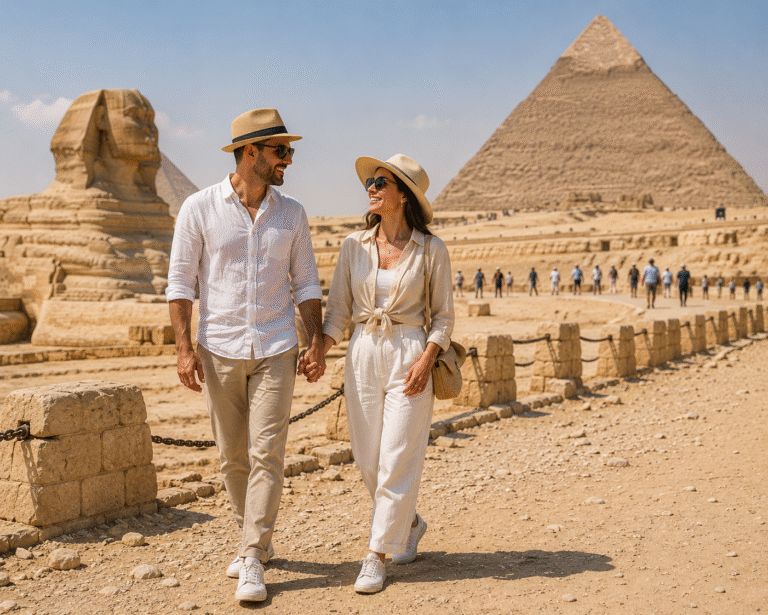
The short answer is yes. For the vast majority of visitors, Egypt is a safe destination when normal travel precautions are taken. Millions of international tourists visit every year without experiencing serious problems, spending time in Cairo, Luxor, Aswan, the Red Sea resorts, and aboard Nile cruises with little more to worry about than the summer heat or how many photos they’ve taken.
That doesn’t mean Egypt is risk-free. Like any country, it has places where extra caution is appropriate, common tourist scams to be aware of, and cultural differences that can surprise first-time visitors. Understanding those realities before you arrive is far more valuable than relying on dramatic headlines or outdated assumptions.
The good news is that most of the situations travelers encounter in Egypt are predictable, manageable, and easy to avoid with a little preparation.
Quick Answer
If your itinerary includes destinations such as Cairo, Giza, Luxor, Aswan, Abu Simbel, Hurghada, Sharm El Sheikh, or a Nile cruise, you are traveling within Egypt’s established tourism network. These areas welcome millions of visitors annually and benefit from extensive tourism infrastructure, visible security, and decades of experience hosting international travelers.
For most visitors, the biggest challenges are not violent crime but navigating busy streets, dealing with persistent salespeople around major attractions, staying hydrated in the desert climate, and understanding local customs. Choosing reputable transportation, remaining aware of your surroundings, and following current government travel advice are usually all that’s needed for a smooth trip.
Why Egypt’s Reputation Doesn’t Always Match Reality
Egypt’s reputation is often shaped by isolated news events rather than everyday travel experiences.
When major incidents occur anywhere in the world, they receive international attention. Quiet days—when hundreds of thousands of tourists visit archaeological sites, board cruise ships, or relax at Red Sea resorts without incident—rarely make headlines. Over time, this creates an impression that can be very different from what visitors actually encounter.
Another factor is Egypt’s sheer size. The country stretches across more than one million square kilometers and includes modern metropolitan cities, coastal resorts, agricultural communities, remote deserts, and sparsely populated border regions. Conditions in one part of the country may bear little resemblance to another.
This is why official travel advisories often distinguish between specific regions rather than issuing blanket advice for the entire country. Areas bordering Libya or parts of North Sinai may carry different recommendations than Cairo, Luxor, or Aswan, even though they are separated by hundreds of miles and are not part of normal tourist itineraries.
Understanding that distinction is important. When travelers ask whether Egypt is safe, they are almost always referring to the places included on a typical vacation—not remote military zones or border regions they would never visit.
Safety in Egypt’s Most Popular Tourist Destinations
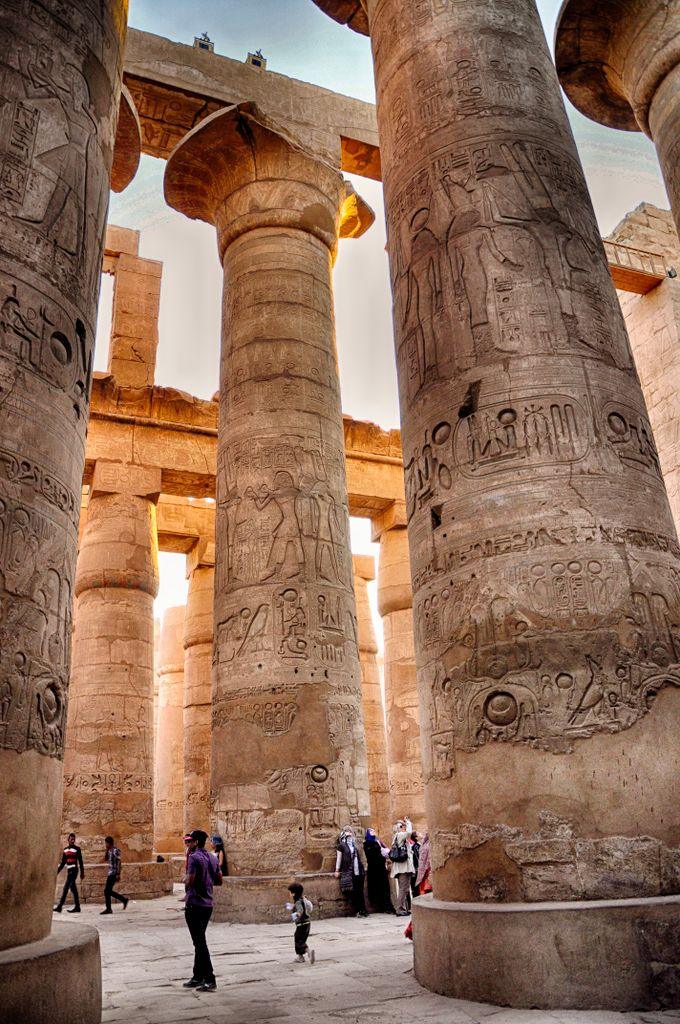
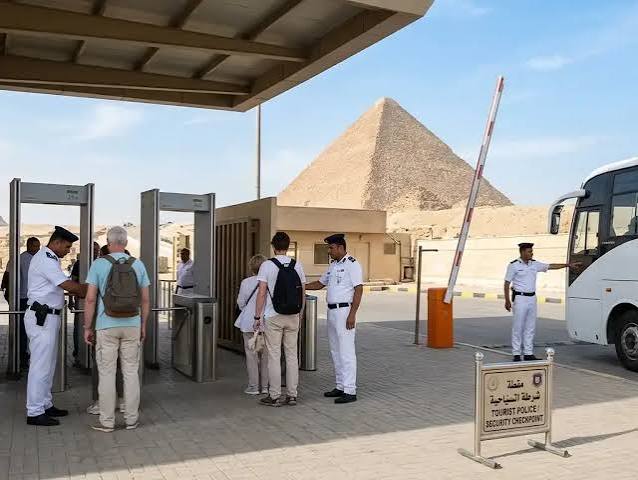
The places visited by most international travelers have well-established tourism industries supported by hotels, licensed guides, transportation providers, and visible security measures. Visitors will notice security screenings at airports, museums, archaeological sites, many hotels, and even some shopping areas. While these checks may initially seem unusual to travelers from some countries, they are a routine part of everyday tourism in Egypt.
The table below provides a general overview of what travelers can expect in Egypt’s most popular destinations.
| Destination | Overall Visitor Experience | Primary Concerns |
|---|---|---|
| Cairo | Busy but well-established for tourism | Traffic, crowds, tourist scams |
| Giza | Safe for visitors using normal precautions | Persistent vendors around the pyramids |
| Luxor | One of Egypt’s easiest destinations for tourists | Heat during much of the year |
| Aswan | Relaxed atmosphere with strong tourism infrastructure | Summer temperatures |
| Abu Simbel | Well-managed visitor experience | Long travel times |
| Hurghada | Modern resort destination | Sun exposure and water safety |
| Sharm El Sheikh | Popular international beach resort | Diving and snorkeling safety |
| Nile Cruises | Comfortable and organized | Heat during shore excursions |
These destinations receive millions of visitors each year, and the overwhelming majority complete their trips without experiencing serious security issues.
That doesn’t mean visitors should let their guard down. The same awareness you would exercise in Rome, Paris, New York, Bangkok, or London still applies in Egypt. Paying attention to your belongings, avoiding unnecessary risks, and using reputable transportation remain sensible habits wherever you travel.
What Travelers Are Most Likely to Encounter
Many first-time visitors arrive expecting security concerns to dominate their trip. In reality, the situations travelers are most likely to remember are far more ordinary.
Traffic is often the first surprise. Cairo, in particular, is energetic and fast-moving, with traffic patterns that can seem chaotic to newcomers. Crossing busy streets sometimes feels intimidating until you become familiar with the local rhythm. Fortunately, visitors rarely need to drive themselves. Ride-hailing services, hotel transfers, organized tours, and private drivers make getting around straightforward.
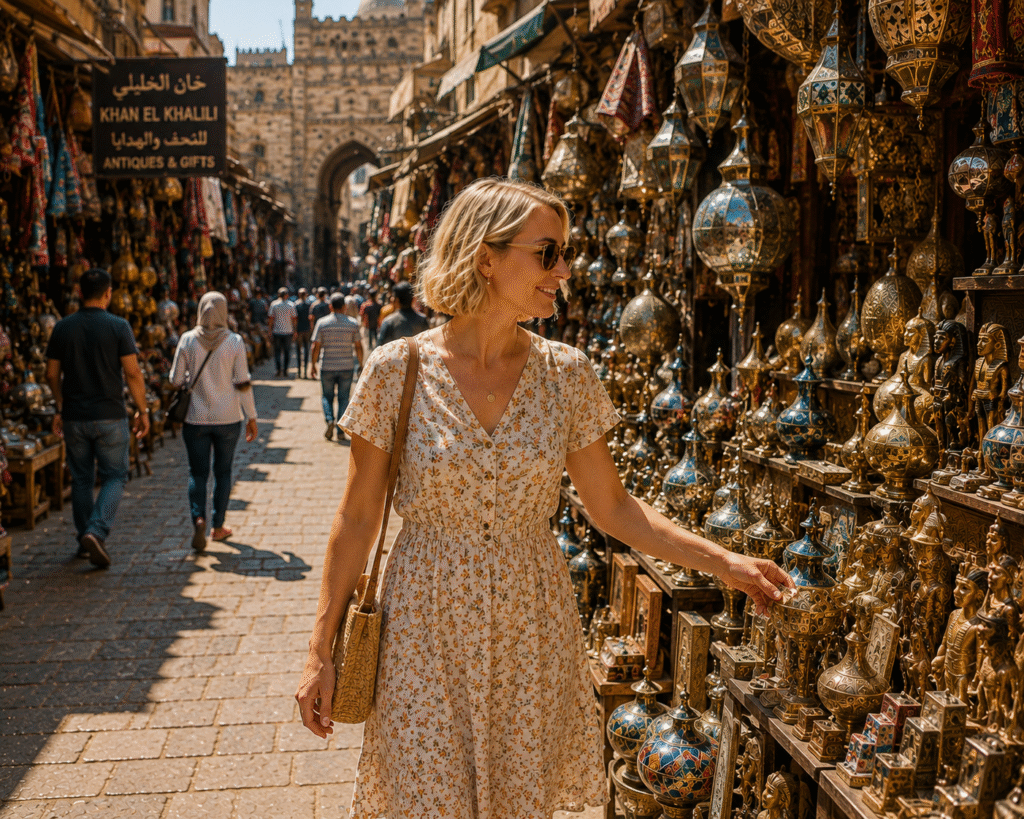
The second surprise is the enthusiasm of vendors around major attractions. Places such as the Giza Plateau and Khan El Khalili Bazaar are lively commercial environments where sellers compete for tourists’ attention. Most interactions are harmless, although they can feel persistent if you’re not accustomed to them. A polite but confident “No, thank you” while continuing to walk is usually all that’s required.
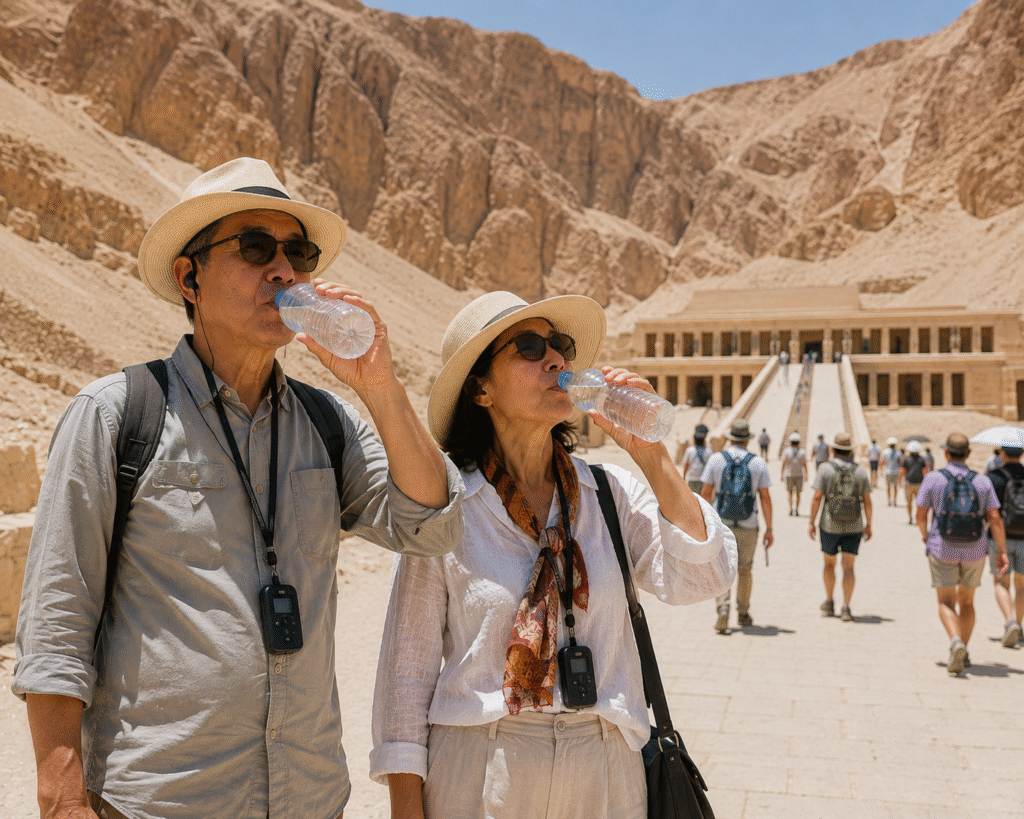
Heat is another factor that visitors often underestimate. During the warmer months, temperatures can climb well above 40°C (104°F), particularly in Upper Egypt. Dehydration, sunburn, and exhaustion are considerably more common problems than crime. Travelers who drink plenty of water, wear sun protection, and schedule outdoor sightseeing early in the day generally avoid these issues.
In other words, Egypt’s biggest challenges are usually practical rather than dangerous.
Crime Against Tourists
Violent crime involving foreign tourists is relatively uncommon in Egypt’s principal tourist destinations. Visitors are far more likely to encounter opportunistic crimes than targeted violence.
Pickpocketing can occur in crowded places such as markets, transportation hubs, and busy city streets, just as it can in many popular destinations around the world. Phones left unattended on café tables, backpacks worn loosely in crowded areas, or wallets carried in back pockets present the greatest opportunities for theft.
Fortunately, preventing these situations requires nothing unusual. Keeping valuables secure, carrying only the cash needed for the day, and remaining aware of your surroundings are usually sufficient precautions.
Perhaps more common than theft are situations involving money rather than security. Misunderstandings over taxi fares, inflated souvenir prices, or requests for unexpected tips account for many of the “scams” travelers later describe online. While frustrating, these situations are typically resolved with calm communication and a willingness to walk away when something doesn’t feel right.
Most experienced visitors agree that Egypt rewards confident but courteous travelers. Being polite does not require accepting every offer, and declining unwanted assistance firmly but respectfully is a normal part of traveling here.
Transportation Safety: Getting Around Egypt Confidently
How you choose to get around Egypt can have a greater impact on your trip than almost any other decision you make. While transportation is generally safe, some options are considerably easier for visitors than others, particularly if it’s your first time in the country.
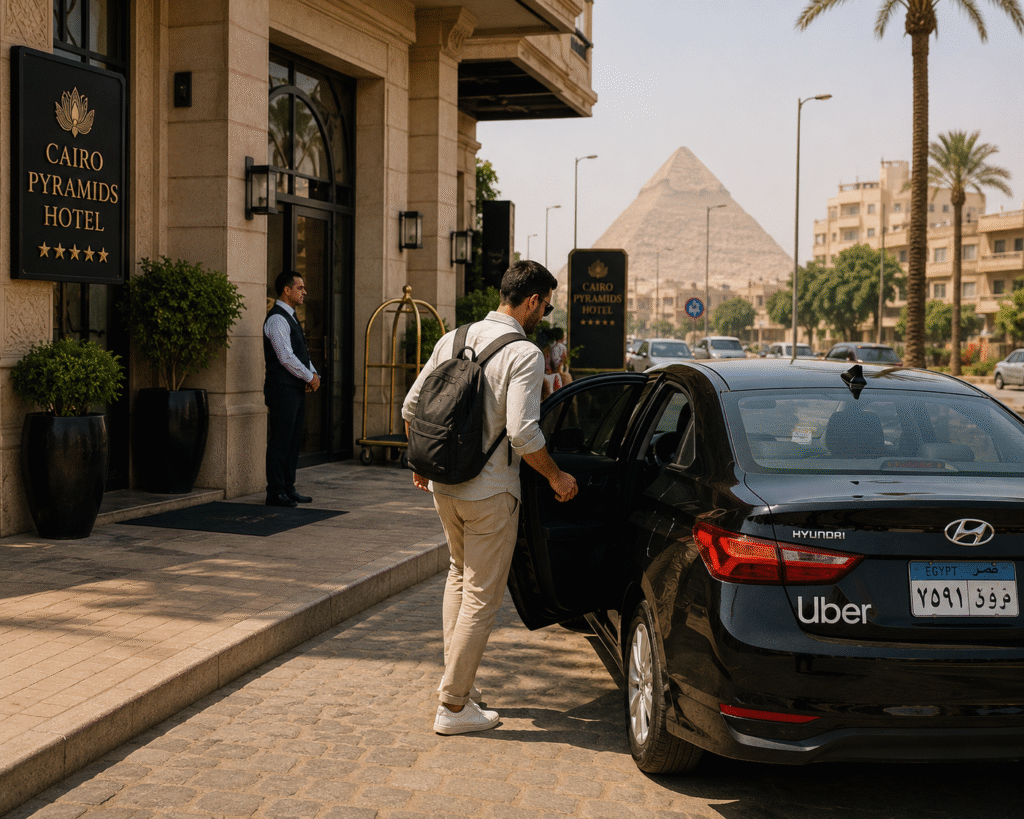
For independent travel within Cairo and Alexandria, ride-hailing services such as Uber and Careem are usually the most convenient choice. Unlike street taxis, the fare is shown before you begin your journey, the route is visible in the app, and both you and the driver have a record of the trip. These features remove many of the misunderstandings that can occur when there is a language barrier or when a taxi meter isn’t used.
Hotel-arranged transfers and reputable private drivers are another excellent option, especially after arriving at the airport or when traveling between destinations with luggage. Although they typically cost more than ride-hailing services, they provide additional convenience and peace of mind.
Street taxis remain widely available and many drivers are honest, but experiences can vary. If you choose one, agree on the fare before the journey begins if the meter will not be used. Clarifying the price in advance helps avoid disagreements at the end of the trip.
Public buses and minibuses are an important part of daily life for Egyptians, but they are rarely the easiest option for international visitors. Routes can be difficult to understand without local knowledge, schedules are not always obvious, and language differences can make navigation challenging. For travelers with limited time, they often add unnecessary stress rather than saving significant money.
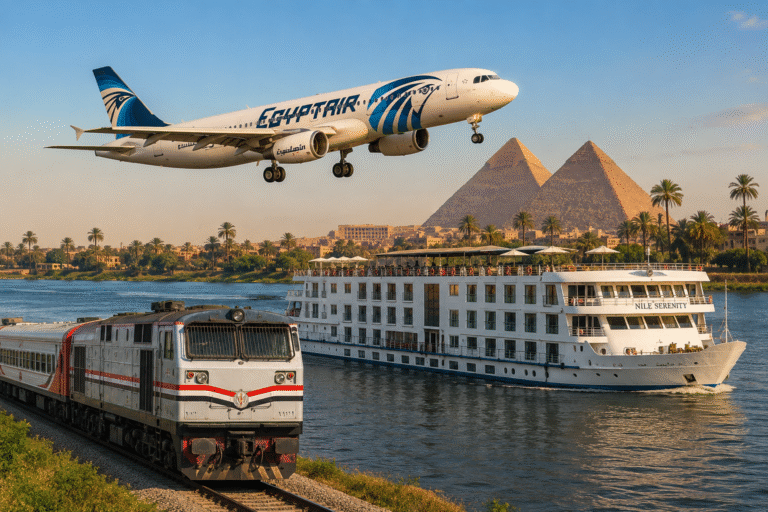
For longer journeys between cities, domestic flights, first-class trains, organized tours, and licensed private transportation provide comfortable and reliable options. These services are well established and regularly used by both visitors and residents.
The transportation itself is rarely the concern. Rather, choosing the option that best matches your experience level can make the difference between a relaxing day and a frustrating one.
Is Egypt Safe for Solo Travelers?
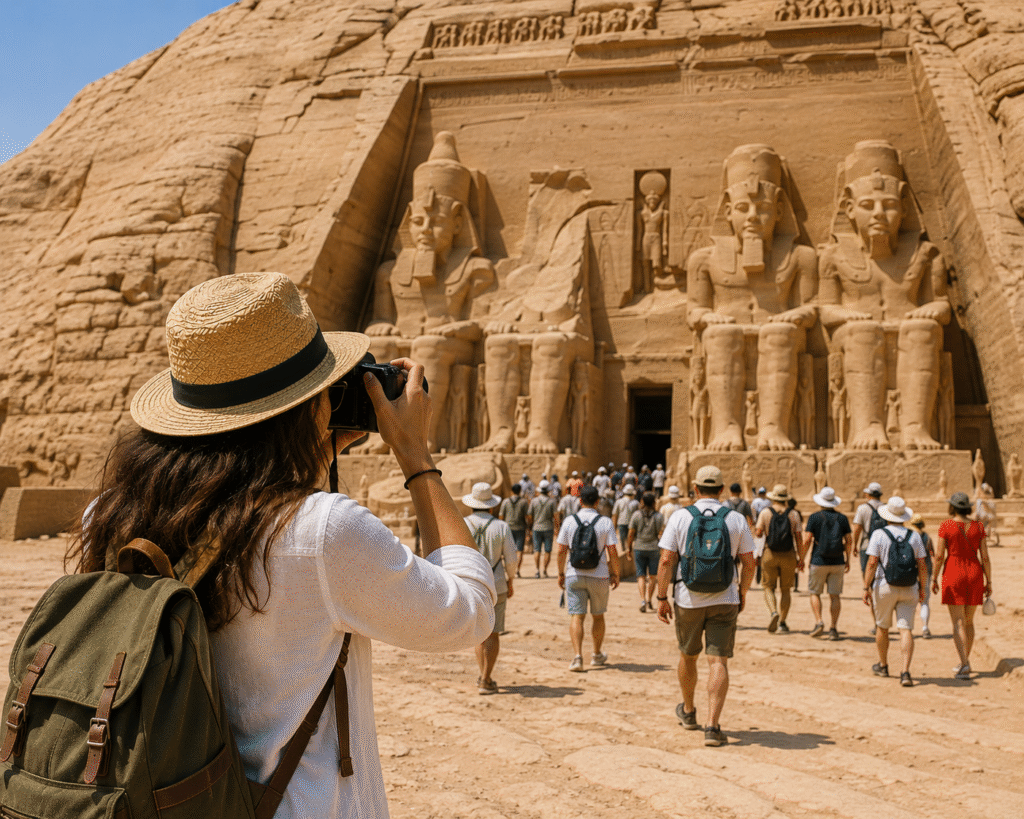
Egypt has become increasingly popular with solo travelers, particularly those interested in history, archaeology, photography, and cultural experiences. Independent visitors often discover that traveling alone offers considerable flexibility, allowing them to spend extra time at museums, temples, or local cafés without needing to follow someone else’s schedule.
Solo travelers occasionally worry that they’ll stand out, but in reality, independent visitors are common throughout Egypt’s major tourist destinations. Hotels, cruise ships, guided excursions, and day tours regularly welcome people traveling alone.
The greatest adjustment for many solo visitors is simply becoming comfortable with the attention that tourists naturally receive. Around famous attractions, vendors may invite you to look at souvenirs, offer camel rides, or suggest guided tours. This attention is directed toward tourists in general rather than solo travelers specifically.
Confidence makes a noticeable difference. Walking with purpose, politely declining unwanted offers, and avoiding lengthy conversations with persistent sellers usually prevents most situations from developing beyond a brief interaction.
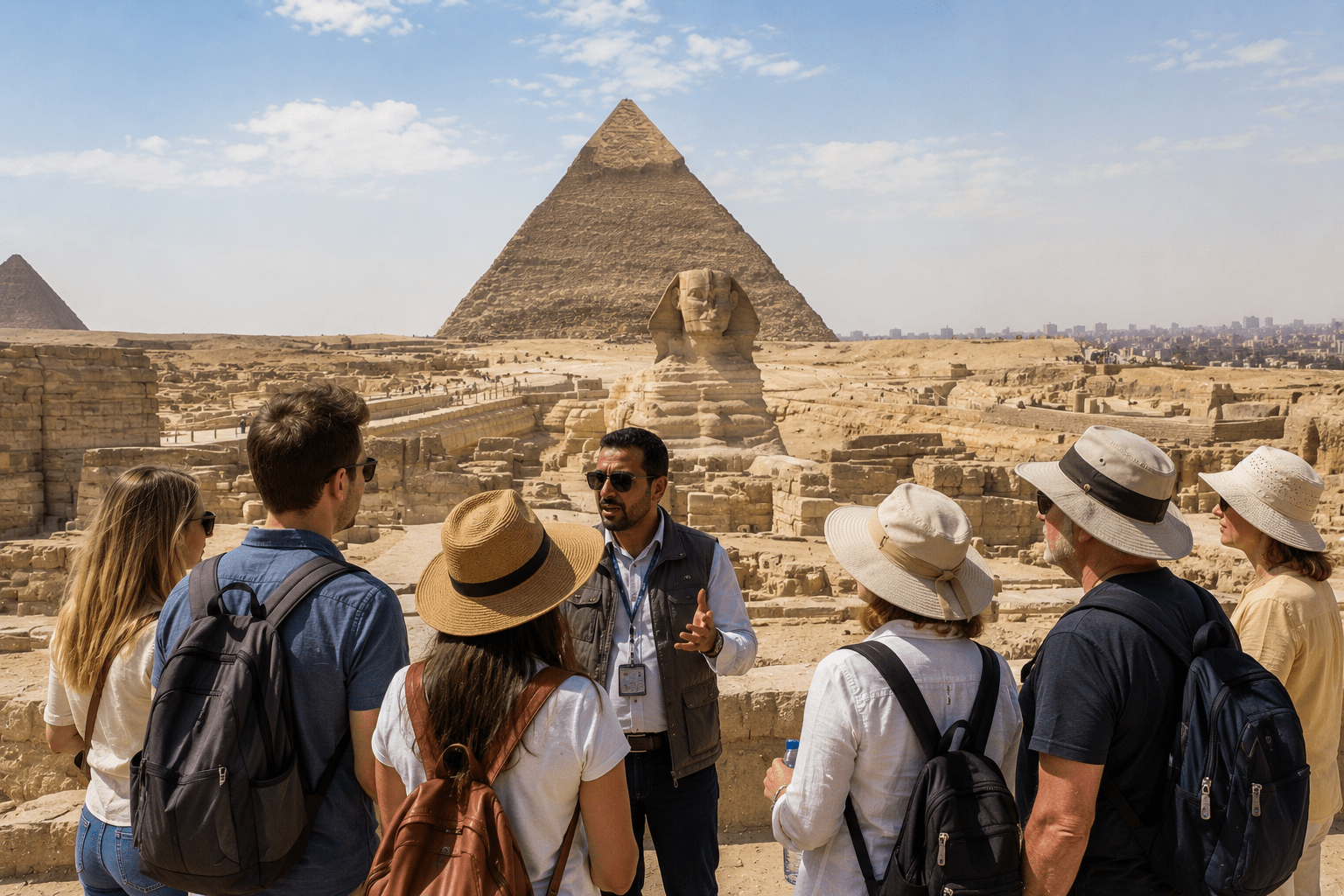
Many solo travelers also find that combining independent sightseeing with occasional guided tours provides the best balance. Visiting Cairo independently while joining an organized excursion to places like Abu Simbel or the White Desert allows travelers to enjoy both flexibility and local expertise.
Is Egypt Safe for Women Traveling Alone?
This is understandably one of the most common questions prospective visitors ask, and the answer deserves nuance rather than simple reassurance.
Many women travel independently throughout Egypt every year and return with overwhelmingly positive experiences. At the same time, Egypt is culturally different from many Western countries, and understanding those differences helps set realistic expectations.
Female travelers may attract more attention than they are accustomed to at home. This often takes the form of greetings, compliments, attempts at conversation, or invitations to browse nearby shops. While this attention can sometimes feel uncomfortable, it is usually more persistent than threatening.
Dressing modestly outside beach resorts tends to reduce unwanted attention and demonstrates respect for local customs. Lightweight clothing that covers the shoulders and knees is comfortable in Egypt’s climate while blending naturally into most environments.
Choosing reputable accommodation, using ride-hailing services after dark, and avoiding isolated areas late at night are sensible precautions—not because Egypt is unusually dangerous, but because they are good travel habits almost anywhere in the world.
Women traveling alone frequently report that Egyptians are welcoming, helpful, and protective when assistance is genuinely needed. As with any destination, trusting your instincts remains important. If a situation feels uncomfortable, there’s no obligation to remain in it.
Traveling to Egypt as a Family
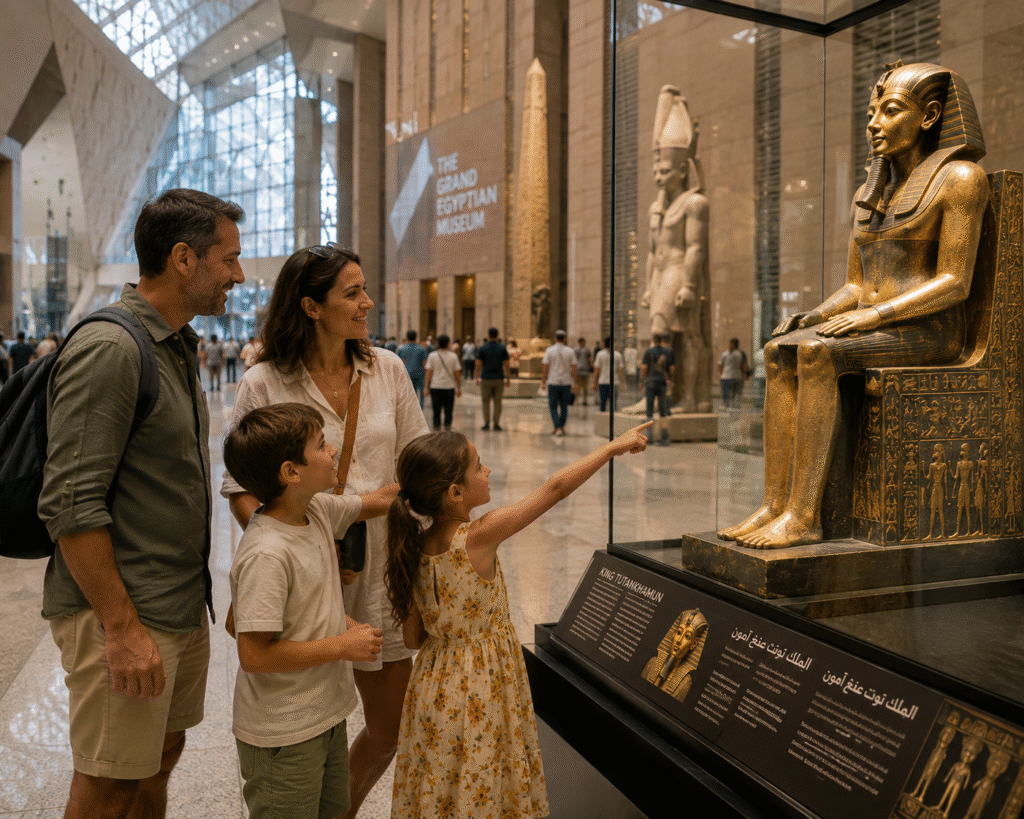
Egypt is often overlooked as a family destination, yet it offers experiences that are genuinely difficult to find elsewhere. Standing inside a pyramid, exploring the enormous galleries of the Grand Egyptian Museum, sailing the Nile, or snorkeling above Red Sea coral reefs creates memories that appeal to both children and adults.
Egyptians generally have a warm attitude toward families, and children often receive friendly attention in restaurants, hotels, and public spaces. Parents are frequently surprised by how welcoming many local people are toward younger visitors.
The greatest challenges for families are practical rather than safety-related. Ancient archaeological sites were not designed with modern accessibility in mind, meaning uneven stone paths, steep stairways, and long walking distances are common. Combined with Egypt’s summer temperatures, these conditions can become tiring for younger children.
Planning a realistic pace makes an enormous difference. Rather than trying to visit several major sites in one day, families usually enjoy Egypt more by allowing time for breaks, swimming pools, boat rides, or simply relaxing at their hotel between excursions.
Families with teenagers often find Egypt especially rewarding because older children are better able to appreciate both the history and the scale of the country’s monuments while still enjoying adventure activities such as desert safaris, snorkeling, or hot-air balloon flights.
Health and Environmental Safety
For many visitors, the greatest health risk in Egypt isn’t crime—it’s the climate.
The combination of strong sunshine, low humidity, and long days spent outdoors can lead to dehydration surprisingly quickly, particularly for travelers arriving from cooler climates. This is especially true in Luxor, Aswan, Abu Simbel, and other destinations in Upper Egypt during late spring and summer.
Fortunately, preventing heat-related problems is straightforward. Drinking bottled or properly filtered water throughout the day, wearing a wide-brimmed hat, applying sunscreen regularly, and scheduling outdoor sightseeing during the cooler morning hours dramatically reduce the likelihood of heat exhaustion.
Food is another area where travelers sometimes worry unnecessarily. Egypt offers an excellent culinary scene, ranging from traditional street food to fine dining. Most visitors enjoy local cuisine without difficulty by following the same common-sense practices they would elsewhere: eating freshly prepared meals, choosing restaurants with good turnover, and introducing unfamiliar foods gradually rather than all at once.
Tap water is generally safe for local residents but isn’t recommended for most international visitors, whose digestive systems may not be accustomed to it. Bottled drinking water is inexpensive, widely available, and the preferred choice for most tourists.
Egypt experiences relatively few natural disasters compared with many countries. The most common environmental challenges are intense summer heat, occasional dust storms in desert regions, and strong sun exposure along the Red Sea coast.
Political Demonstrations and Regional Advisories
Questions about political stability often arise when discussing travel to Egypt. While demonstrations occasionally occur, they are generally unrelated to tourism and are not something visitors seek out during a typical holiday.
The most practical advice is also the simplest: if you encounter any demonstration or unusually large public gathering, leave the area and continue with your plans elsewhere. There is rarely any reason for tourists to remain nearby, regardless of how peaceful an event appears.
Travel advisories issued by foreign governments should also be understood in context. Most distinguish between Egypt’s established tourist destinations and specific border regions that ordinary visitors never enter. Reading the advisory for your own country shortly before departure is worthwhile, not because it should discourage travel, but because it provides the latest official information should conditions change.
The Importance of Perspective
Safety is often discussed as though destinations are either completely safe or completely unsafe. The reality is much more nuanced.
No country can guarantee that every visitor will have a perfect experience. Pickpocketing occurs in Paris, scams exist in Rome, traffic can be intimidating in Bangkok, and tourists are advised to remain aware of their surroundings in New York, London, and Barcelona. Egypt is no different.
What distinguishes Egypt for many visitors is not an unusually high level of danger but rather the fact that its customs, pace of life, and tourism culture may feel unfamiliar at first. Once travelers understand what to expect, they often find that the concerns they had before arriving fade quickly.
One of the most common comments from returning visitors is that Egypt felt far less intimidating than they had imagined. That doesn’t happen because risks disappear; it happens because preparation replaces uncertainty.
Practical Advice for Staying Safe in Egypt
The safest travelers are rarely the most experienced—they are usually the ones who take a little time to prepare before they arrive.
Begin by checking your country’s official travel advisory shortly before departure. Travel advice can change as circumstances evolve, and official sources provide the most current information about any regional restrictions or entry requirements.
Once in Egypt, use the same awareness you would in any unfamiliar destination. Keep valuables secure in crowded places, avoid carrying large amounts of cash, and use reputable transportation whenever possible. Ride-hailing services such as Uber and Careem are particularly useful because they display fares in advance, record the route, and reduce the possibility of misunderstandings over pricing.
It’s also worth accepting that your first day in Egypt may feel overwhelming. Cairo is a lively city with constant movement, busy streets, and a pace that differs from many Western cities. Rather than trying to see everything immediately, give yourself time to adjust. Most visitors find that what initially feels chaotic soon begins to make sense.
Finally, don’t underestimate the climate. Especially between late spring and early autumn, the combination of high temperatures and long sightseeing days can quickly lead to fatigue. Planning outdoor activities early in the morning, taking breaks during the hottest part of the day, and drinking plenty of water will do more to protect your health than almost anything else.
Common Misconceptions About Safety in Egypt
Many concerns about visiting Egypt are based on assumptions rather than the experiences of recent travelers. Understanding the difference can help you prepare more realistically.
“Egypt Is Too Dangerous to Visit”
This is probably the most common misconception. While Egypt has experienced periods of instability in the past, millions of tourists continue to visit every year. The country’s main tourism destinations operate with well-developed infrastructure, visible security, and extensive experience welcoming international visitors.
That doesn’t mean travelers should ignore official advice or abandon common sense. It simply means that the overall experience most visitors have is very different from the impression created by occasional international headlines.
“Everyone Is Trying to Scam Tourists”
Visitors sometimes return home describing Egypt as a country full of scams, but this characterization is often exaggerated.
What many travelers experience are persistent sales techniques rather than sophisticated fraud. Around major attractions, vendors compete for customers, guides advertise their services, and shopkeepers invite people inside to browse. While some individuals may quote inflated prices or expect negotiation, most interactions end with a polite refusal if you’re not interested.
Approaching these encounters with patience and confidence usually makes them far less stressful than first-time visitors imagine.
“Women Shouldn’t Travel to Egypt Alone”
Egypt requires a different approach than some destinations, but it is not a place that solo female travelers should automatically avoid. Thousands visit independently each year, particularly as part of organized tours or carefully planned itineraries.
Respecting local customs, dressing modestly outside resort areas, and following the same sensible precautions recommended anywhere else are generally enough for most women to travel comfortably.
“It’s Better to Avoid Speaking With Locals”
One unfortunate consequence of reading too many online horror stories is that some visitors arrive expecting every interaction to become a problem.
In reality, many travelers remember the kindness of ordinary Egyptians long after they return home. Hotel staff, guides, restaurant employees, shop owners, and even strangers frequently go out of their way to help visitors who need directions or assistance.
Being friendly does not require abandoning common sense, but neither does sensible travel require assuming everyone has bad intentions.
Is Egypt the Right Destination for You?
Safety is only one part of deciding whether to visit a country.
Egypt is best suited to travelers who enjoy history, culture, architecture, photography, and destinations that feel genuinely different from home. It rewards curiosity, flexibility, and a willingness to embrace experiences that may be outside your comfort zone.
If you’re looking for a perfectly predictable vacation where everything functions exactly as it does at home, Egypt can occasionally feel challenging. Streets are busy, bargaining is common in some markets, and the rhythm of daily life may take a little getting used to.
For many visitors, however, those differences become part of the experience rather than something to fear. Understanding how the country works—and approaching it with realistic expectations—often transforms what initially seems unfamiliar into one of the most rewarding trips they’ve ever taken.
Frequently Asked Questions
Is Egypt safe for first-time international travelers?
Yes, particularly if you stick to Egypt’s established tourism destinations and plan your itinerary carefully. Many first-time international travelers visit Egypt successfully every year. Those who arrange airport transfers in advance, choose reputable accommodations, and include a few guided excursions often find the transition especially comfortable.
Is it safe to walk around Cairo?
Walking is perfectly reasonable in many parts of Cairo during the day, particularly in areas where tourists commonly visit. The biggest challenge is usually traffic rather than personal safety. Busy roads can be difficult to cross, so it’s worth taking your time and observing how local pedestrians navigate them.
Is public transportation safe?
Public transportation is widely used by Egyptians every day, but it can be confusing for visitors unfamiliar with the system. Ride-hailing services, hotel transfers, and licensed private drivers are generally simpler and more convenient for most international travelers.
Should I carry my passport everywhere?
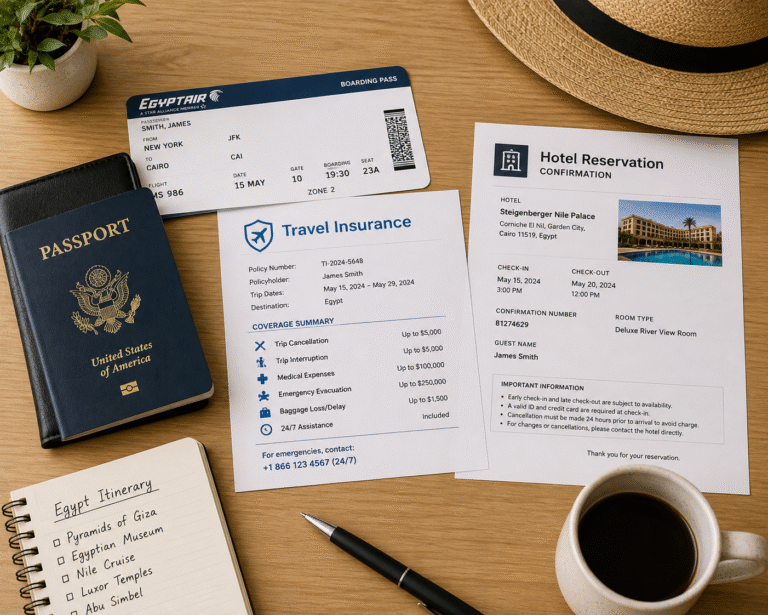
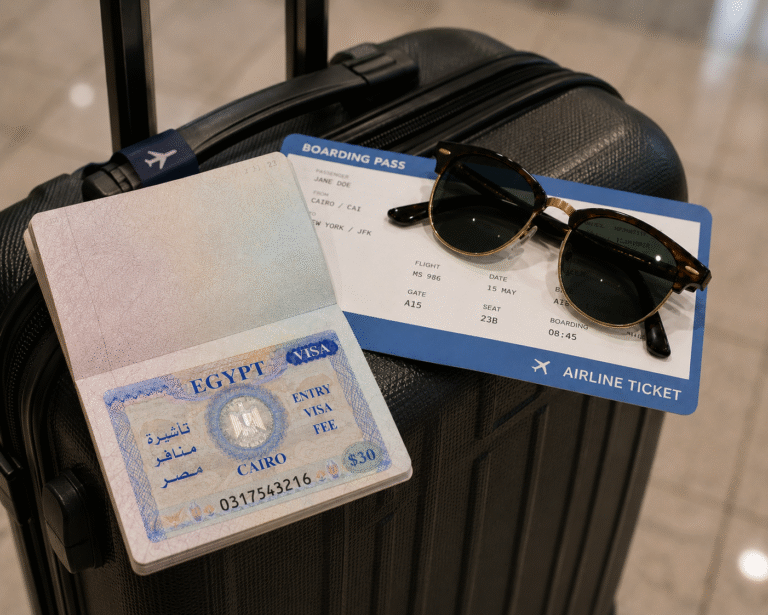
Yes. It’s a good idea to carry your passport whenever you’re sightseeing in Egypt. Visitors may be asked to present identification when entering certain archaeological sites, checking into hotels, boarding domestic flights, or passing through security checkpoints during travel between destinations. Keep your passport in a secure, zippered bag or money belt, and consider keeping a digital copy and a photocopy stored separately in case the original is lost.
Is tipping expected for security or safety?
No. Tipping in Egypt is part of everyday service culture rather than a safety issue. Small tips may be customary for certain services, but they should never be viewed as necessary for personal security.
Are Nile cruises safe?
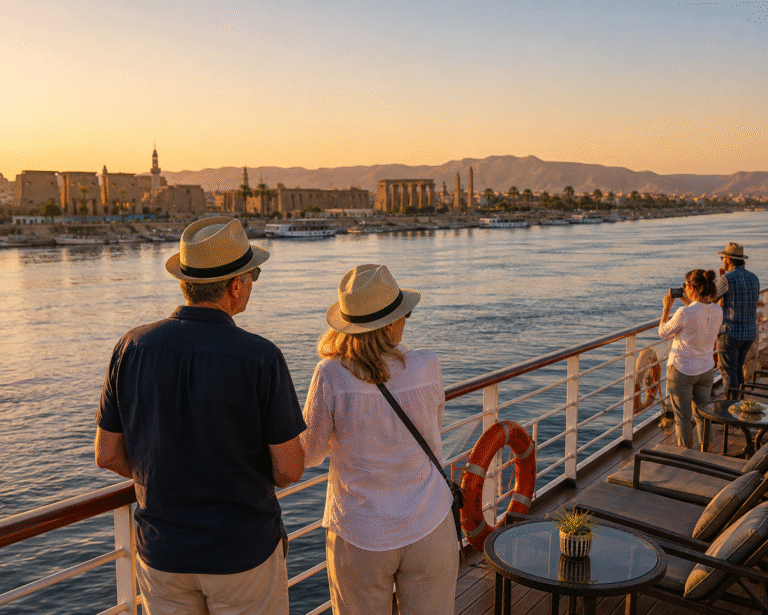
Yes. Nile cruises are among the safest and most popular ways to explore Upper Egypt. Reputable cruise operators follow established routes between Luxor and Aswan, and organized shore excursions make visiting major archaeological sites straightforward and convenient.
Official Resources
Before traveling, consult the following sources for the latest information:
- Egypt Ministry of Tourism and Antiquities
- Egyptian Ministry of Foreign Affairs
- Your country’s official travel advisory
- Your embassy or consulate in Egypt
These sources should always take precedence if safety guidance changes before your departure.
Related Egyptian Nile Adventures Articles
To help you prepare for your trip, continue with these guides:
- Egypt Visa Guide
- Money in Egypt: Currency, ATMs & Paying for Things
- Egypt Transportation Guide
- What to Wear in Egypt
- Egypt Packing List
- Egypt Family Travel Guide
Articles Coming Soon:
- First-Time Visitor’s Guide to Egypt
- Cairo Travel Guide
- Luxor Travel Guide
- Aswan Travel Guide
Conclusion
So, is Egypt safe for tourists?
For most travelers, the answer is yes.
Millions of people visit Egypt every year to explore its ancient monuments, cruise the Nile, relax along the Red Sea, and experience one of the world’s oldest civilizations. While no destination is completely without risk, the challenges most visitors encounter are usually practical rather than dangerous. Busy streets, persistent vendors, and the desert climate are far more likely to shape your experience than serious crime.
The key is arriving with realistic expectations. Learn a little about local customs, choose reliable transportation, stay informed through official travel advisories, and approach Egypt with the same awareness you would use in any major international destination.
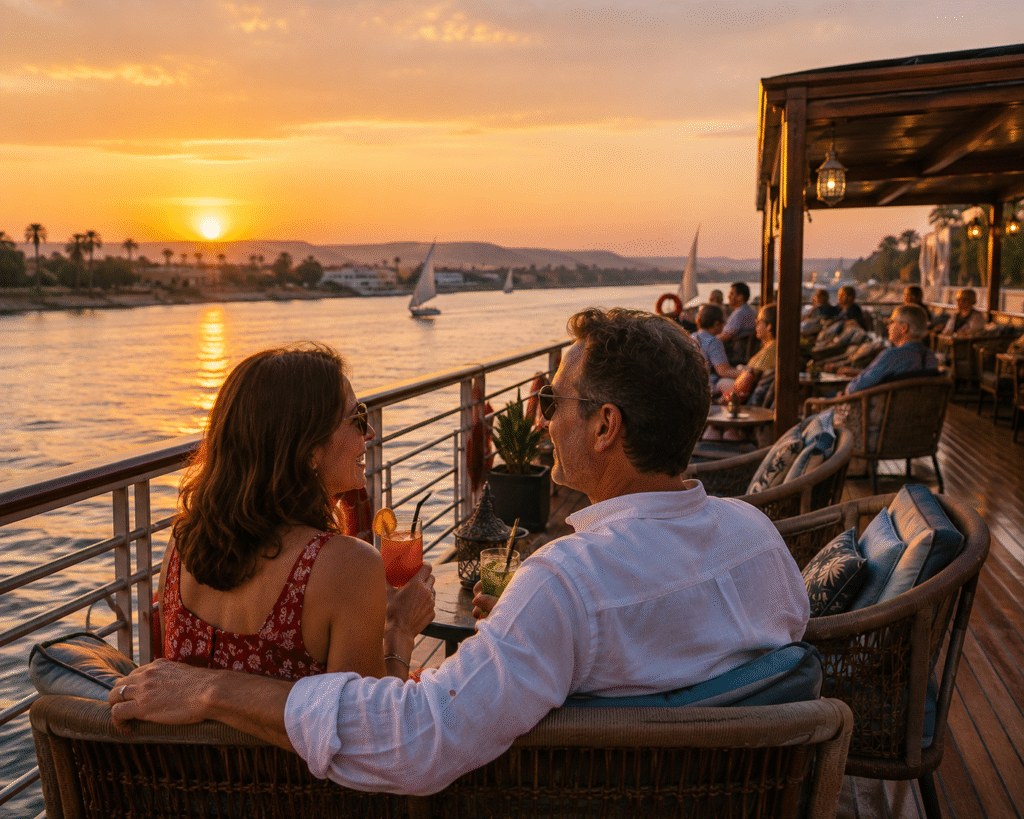
Those who do are often surprised by how welcoming the country feels. They return home remembering conversations with local people, unforgettable archaeological sites, sunsets on the Nile, and experiences that are impossible to recreate anywhere else—not because Egypt is perfect, but because it offers something genuinely distinctive.