Tipping in Egypt: When, Where & How Much
One of the biggest questions first-time visitors ask is whether tipping is expected in Egypt. The short answer is yes—but probably not in the way you might expect.
Known locally as baksheesh, tipping is a well-established part of everyday life in Egypt. It is not simply a reward for exceptional service as it is in some countries. In many situations, particularly within tourism and hospitality, tips form an important part of workers’ income and are widely expected for good service.
That doesn’t mean you need to tip everyone or hand out large amounts of money throughout your trip. Understanding when tipping is customary, when it is optional, and when you can politely decline will help you travel with confidence while avoiding awkward situations.
Quick Answer
For most visitors:
- Tip hotel staff, guides, drivers, and restaurant servers for good service.
- Carry small Egyptian-pound notes specifically for tips.
- Don’t feel obligated to tip people who offer unsolicited assistance.
- Check restaurant bills for a service charge, but remember this does not necessarily go directly to your server. A small additional cash tip is still customary for good service.
Understanding Baksheesh
The word baksheesh is used in several ways throughout Egypt. Depending on the situation, it may refer to a gratuity, a small token of appreciation, or occasionally a request for payment after someone has offered assistance.
This can surprise visitors from countries where tipping is reserved for restaurants or taxis. In Egypt, small tips may arise in many everyday situations, particularly within the tourism industry.
The important point is that not every request for baksheesh creates an obligation.
If someone voluntarily carries your luggage, cleans your hotel room, guides you through a museum, or provides good table service, a tip is generally appropriate.
If someone approaches you without being asked, offers unsolicited directions, insists on taking your photograph, or points out something you didn’t request, you are under no obligation to pay. A polite “La shukran” (“No, thank you”) is perfectly acceptable.
Restaurant Tipping
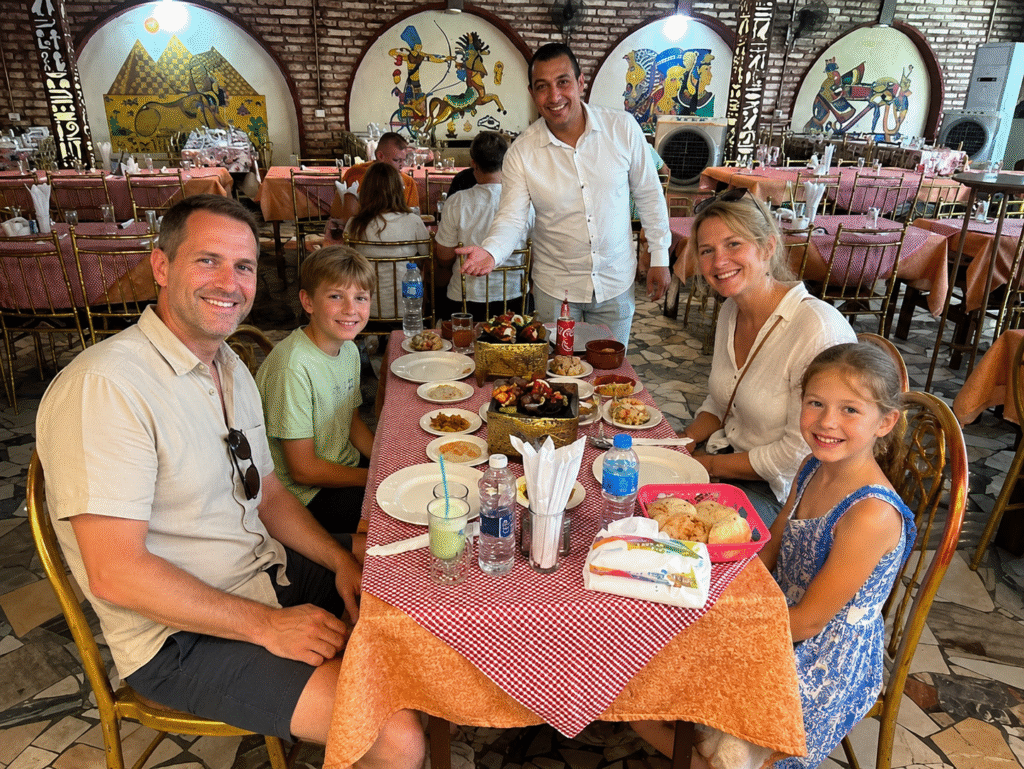
Many restaurants in Egypt automatically include a 10–12% service charge on the bill.
This often causes confusion because many visitors assume that means tipping is already covered.
In reality, the service charge does not always go directly to your waiter or waitress. If you’ve received good service, it is customary to leave a small additional cash tip directly for your server.
As a general guide:
| Situation | Typical Tip |
|---|---|
| Local café | 10–20 EGP |
| Casual restaurant | 5–10% if service was good |
| Fine dining | Around 10% in cash for excellent service |
There’s no need to tip for poor service simply because a service charge appears on the bill.
Hotel Staff
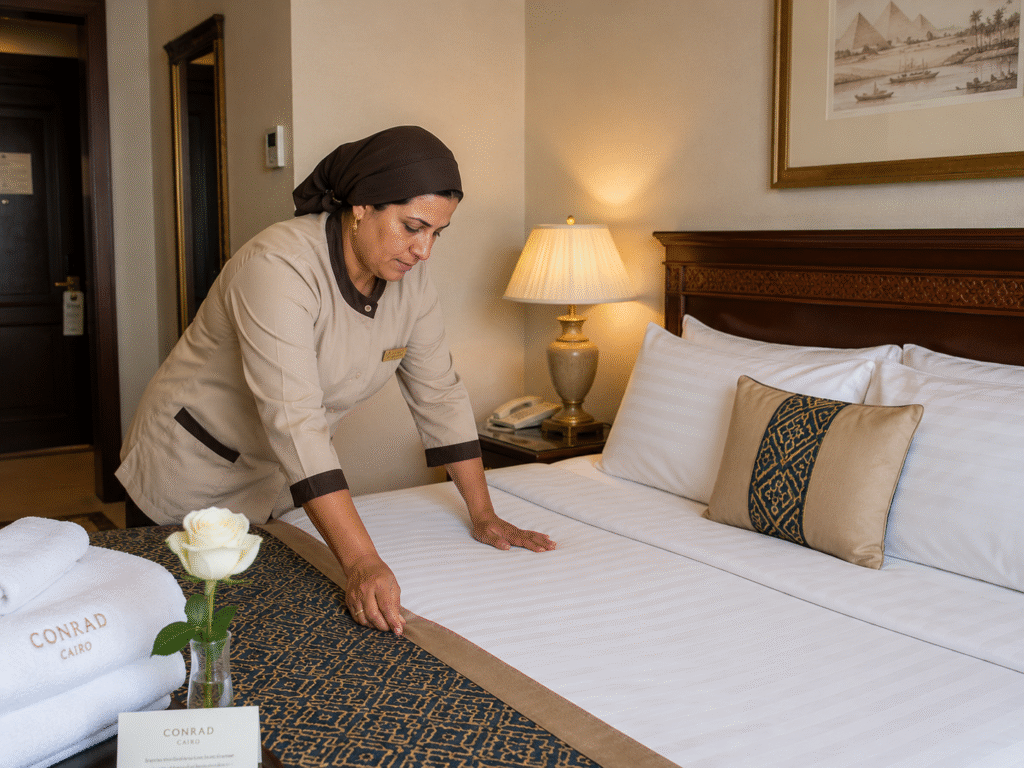
Hotels are one of the places where tipping is most widely expected.
Housekeeping staff, porters, bell staff, and concierge employees often rely on gratuities as part of their income.
Rather than leaving one tip at the end of your stay, it’s often better to leave housekeeping tips daily because different staff members may clean your room each day.
Typical amounts include:
| Service | Typical Tip |
|---|---|
| Porter carrying luggage | 20–50 EGP |
| Housekeeping | 20–50 EGP per day |
| Concierge (special assistance) | According to the service provided |
Tour Guides
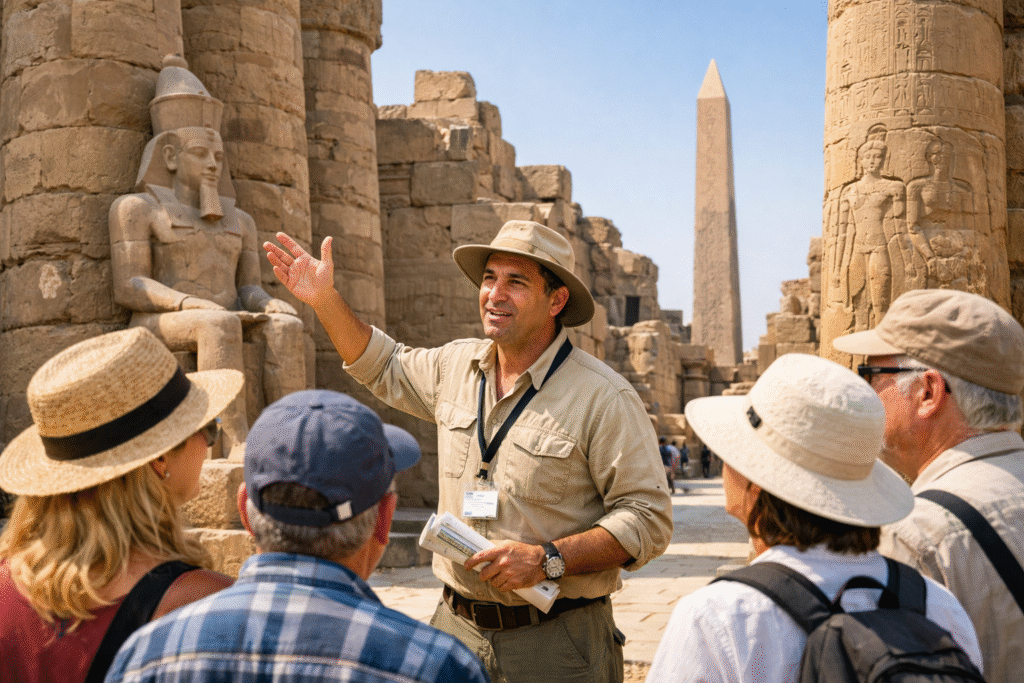
Your guide is often the person who spends the most time with you during your visit.
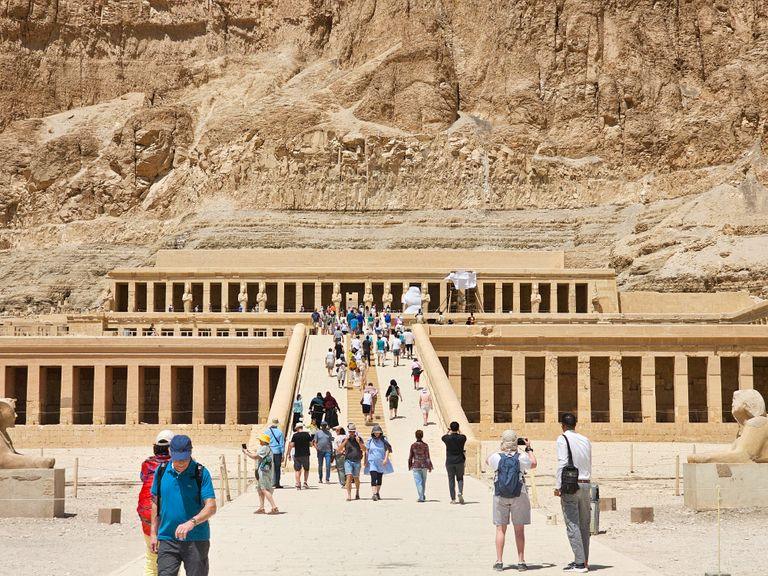
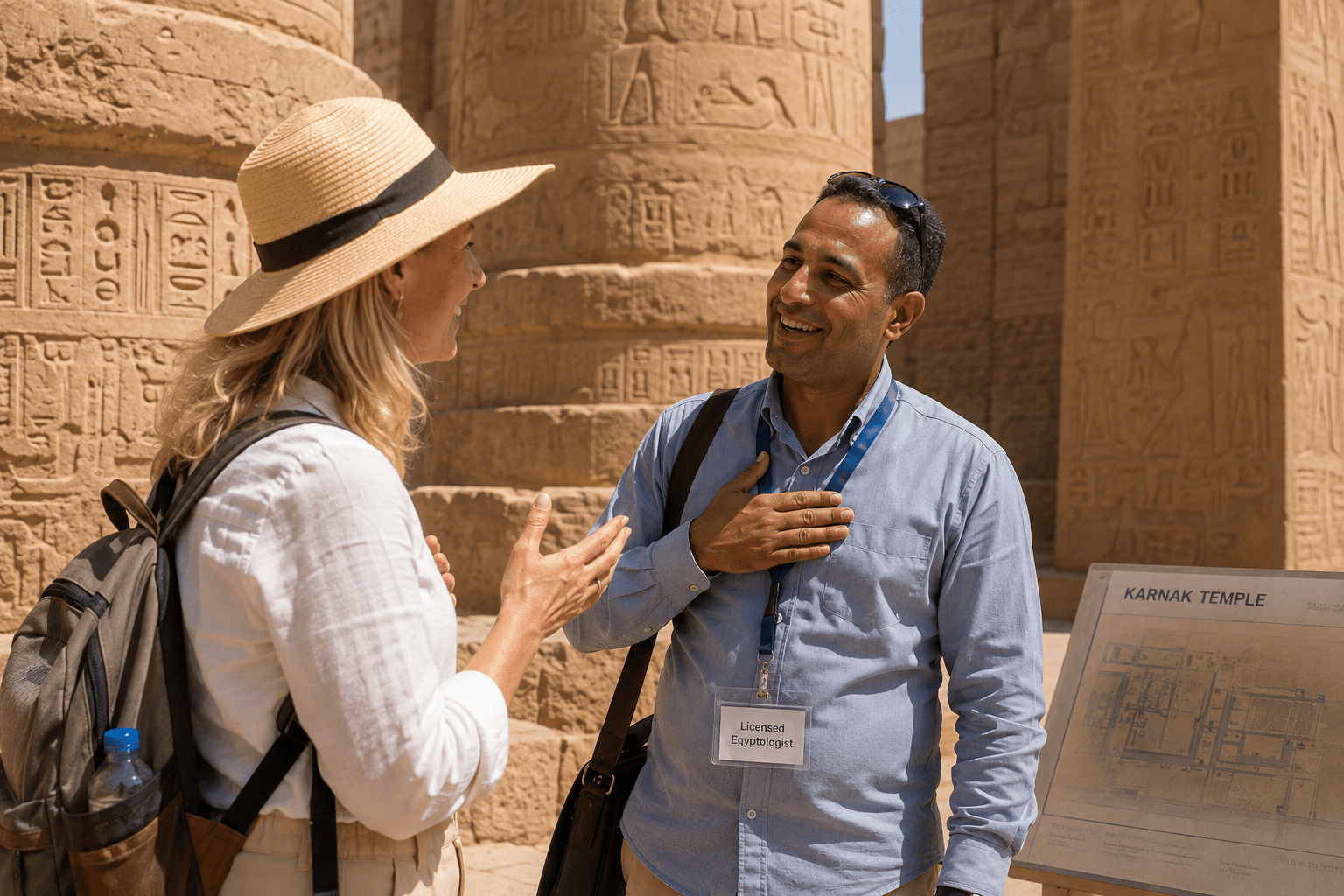
Whether you’re exploring the Pyramids of Giza, the temples of Luxor, or Abu Simbel, a knowledgeable licensed Egyptologist can significantly improve your experience.
For that reason, guides generally receive one of the larger gratuities during an Egypt trip.
Rather than tipping after every stop, most visitors tip at the end of the day’s tour.
For private guiding, many travelers budget approximately US$10–20 per person per day, depending on the length of the tour, group size, and quality of service.
Drivers
Drivers are normally tipped separately from guides.
If you have a private driver for the day, it’s customary to thank them with a gratuity at the end of the service.
Airport transfers generally require only a small tip if assistance with luggage or exceptional service is provided.
Nile Cruises
Many Nile cruises operate differently from hotels.
Instead of tipping individual crew members throughout the voyage, passengers are often invited to contribute to a shared crew tip fund near the end of the cruise. The cruise company or tour director will normally explain the procedure.
Your Egyptologist guide, however, is often tipped separately from the crew. Because policies differ between cruise companies, always ask what is already included before assuming additional tips are required.
Taxis and Ride-Hailing Apps
For traditional taxis, many passengers simply round the fare up or add a small amount if the driver has been helpful.
With Uber and Careem, tipping is optional and can be given either through the app or in cash.
Unlike guides or hotel staff, taxi drivers are generally not expecting a large percentage-based gratuity.
Public Restrooms
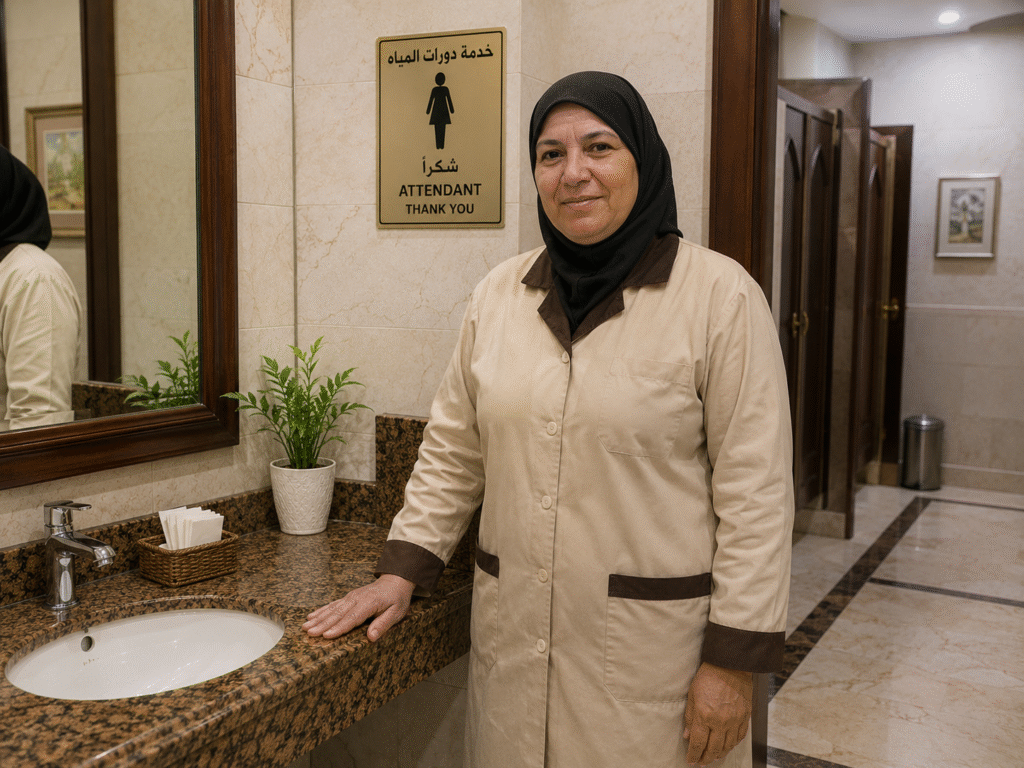
Many public restrooms at tourist attractions, markets, and transportation hubs have attendants responsible for cleaning and supplying facilities.
A small tip is customary after using these restrooms.
Having small Egyptian-pound notes available makes these situations much easier than trying to break larger banknotes.
Camel Handlers, Boat Captains & Other Activity Providers
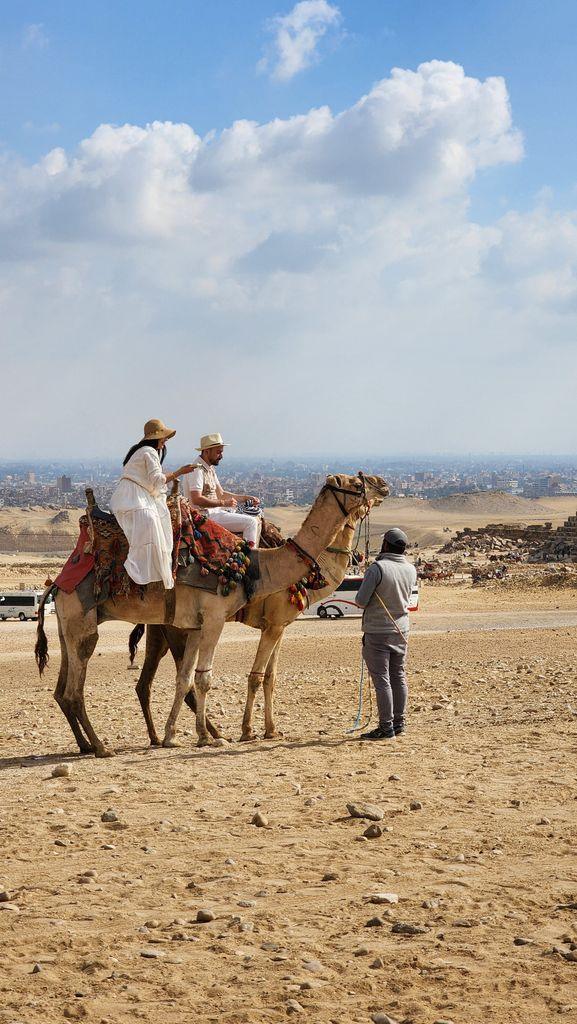
For optional activities such as camel rides, horse carriages, felucca sailing, or small boat trips, a modest tip is appreciated when you’ve received good service.
If the activity has already been prepaid through a tour company, ask whether gratuities are included before adding anything extra.
When You Don’t Need to Tip
One of the biggest misconceptions about Egypt is that every interaction requires a tip.
That simply isn’t true.
You are not expected to tip:
- Cashiers in shops
- Supermarket employees
- Government offices
- People who offer unsolicited assistance
- Individuals who approach you without being asked
If someone insists on helping after you’ve politely declined, you should not feel pressured to pay.
Learning to say a friendly but firm “No, thank you” is one of the most useful travel skills in Egypt.
Should You Tip in Egyptian Pounds or Foreign Currency?
For almost all everyday situations, Egyptian pounds are the preferred currency for tipping.
Hotel staff, restaurant servers, drivers, restroom attendants, and porters all use Egyptian pounds in their daily lives, making local currency the most practical option.
For larger gratuities given to private guides or tour leaders, some travelers choose to tip in US dollars or euros, particularly if the guide regularly works with international visitors. Either approach is generally acceptable, provided the banknotes are clean, undamaged, and easy to exchange.
If you expect to tip frequently throughout your trip, withdrawing a supply of smaller Egyptian-pound notes from an ATM shortly after arriving will make everyday transactions much easier.

Common Tipping Mistakes
Most visitors don’t spend too much on tips—they simply aren’t sure when tipping is actually expected.
One common mistake is arriving with only large banknotes. Paying for a small service with a high-value note often creates an awkward situation if the person providing the service has little or no change. Keeping a selection of smaller notes avoids this problem.
Another mistake is assuming every request for baksheesh should be accepted. In reality, Egypt distinguishes between genuine service and unsolicited assistance. If someone offers directions, insists on carrying something after you’ve declined, or unexpectedly begins explaining a monument, you are not obliged to tip simply because they approached you.
Some travelers also forget to check restaurant bills. A service charge may already appear, but that does not necessarily replace a tip for good service. Understanding the difference helps you avoid both under-tipping and paying twice unnecessarily.
Finally, don’t feel pressured to match someone else’s tipping habits. The amount should reflect the level of service provided and your own budget. Respectful, reasonable tipping is appreciated far more than feeling obligated to hand out money at every opportunity.
How Much Should You Budget for Tips?
For most travelers, tipping represents only a small part of the overall travel budget.
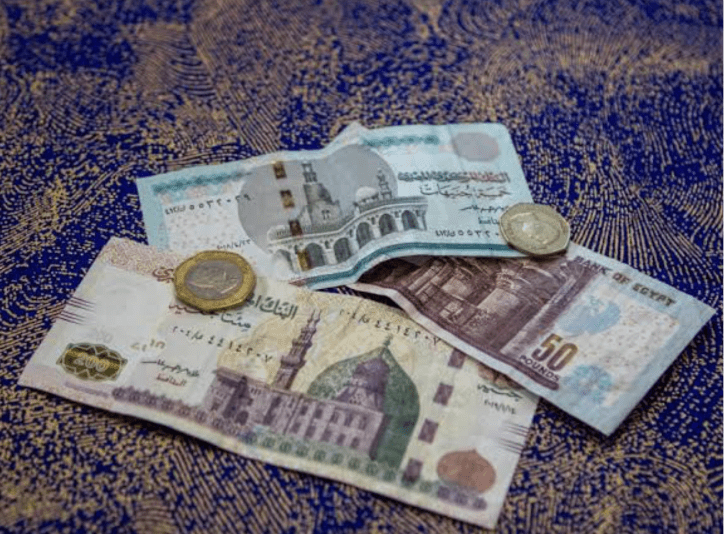
A couple spending a week in Egypt might reasonably set aside approximately US$50–150 specifically for gratuities, depending on whether they have private guides, a Nile cruise, private drivers, or primarily travel independently.
Travelers using full-service guided tours generally spend more on tips than those arranging transportation and sightseeing themselves.
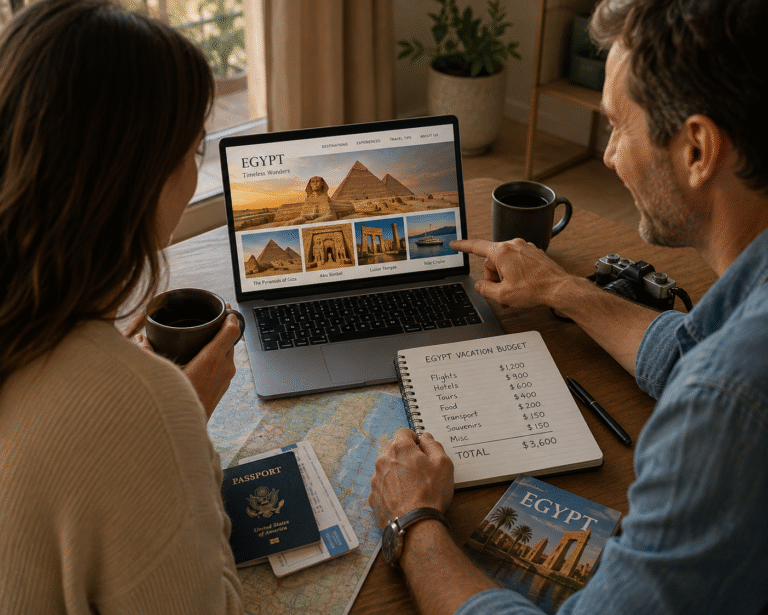
Including a small tipping allowance in your travel budget before departure helps avoid constantly wondering whether you have enough cash available.
Frequently Asked Questions
Is tipping mandatory in Egypt?
No.
Tipping is not legally required, but it is a well-established social custom and is widely expected for good service throughout the tourism and hospitality industries.
What is baksheesh?
Baksheesh is the local term commonly used for a small gratuity or tip. Depending on the situation, it may also refer to a small payment given in appreciation of assistance or service.
Should I tip if a service charge is already included?
Usually, yes—if you received good service.
Restaurant service charges do not always go directly to the staff serving your table. Leaving a small cash tip for excellent service remains common practice.
Should I tip my Egyptologist guide?
Yes.
Licensed guides generally spend many hours with visitors and play a significant role in explaining Egypt’s history and archaeological sites. They are among the service providers most commonly tipped by travelers.
Should I tip in cash or by card?
Cash is generally preferred.
Many small gratuities are given directly to hotel staff, drivers, porters, restroom attendants, and restaurant servers, making Egyptian-pound notes the most practical option.
Related Egyptian Nile Adventures Articles
Understanding tipping is only one part of managing your travel budget. These guides will help you prepare for everyday expenses and payment methods while traveling in Egypt.
Continue Planning Your Trip
- Money in Egypt: Currency, ATMs & Credit Cards – Learn how to use Egyptian pounds, exchange money, and pay by card.
- Egypt Travel Costs: How Much Does a Trip Cost? – Build a realistic budget for accommodation, transportation, sightseeing, and daily expenses.
- Egypt Transportation Guide – Compare domestic flights, trains, ride-hailing apps, taxis, and private transfers.
- Is Egypt Safe for Tourists? – Practical advice for staying safe throughout your journey.
- How Many Days Do You Need in Egypt? – Plan an itinerary that matches your budget and travel style.
- First-Time Visitor’s Guide to Egypt – A complete planning guide for your first trip.
Conclusion
Tipping in Egypt is best viewed as a practical part of the travel experience rather than something to worry about. While gratuities are common and appreciated, they are not intended to create stress or uncertainty.
The simplest approach is to carry a supply of smaller Egyptian-pound notes, tip for genuine service, and understand that you are not expected to pay everyone who approaches you. Hotel staff, restaurant servers, guides, drivers, and cruise crews generally receive tips for good service, while unsolicited assistance can usually be declined politely without any obligation.
Knowing the local customs before you arrive allows you to handle these situations naturally and respectfully. Like many aspects of travel, a little preparation goes a long way—and understanding when, where, and how much to tip helps you focus on enjoying your time in Egypt rather than second-guessing every interaction.