Money in Egypt
Money in Egypt: Currency, ATMs & Credit Cards
Planning a trip to Egypt? Understanding how money works before you arrive can save time, reduce unnecessary fees, and help you avoid common travel frustrations.
Although credit cards are becoming more widely accepted, Egypt remains a largely cash-based country outside major hotels, shopping malls, and upscale restaurants. Most travelers find that using a combination of bank cards and Egyptian pounds (EGP) provides the greatest convenience throughout their trip.
Whether you’re visiting Cairo for a few days or taking a Nile cruise between Luxor and Aswan, here’s what you need to know about exchanging money, using ATMs, paying by card, and managing your travel budget.
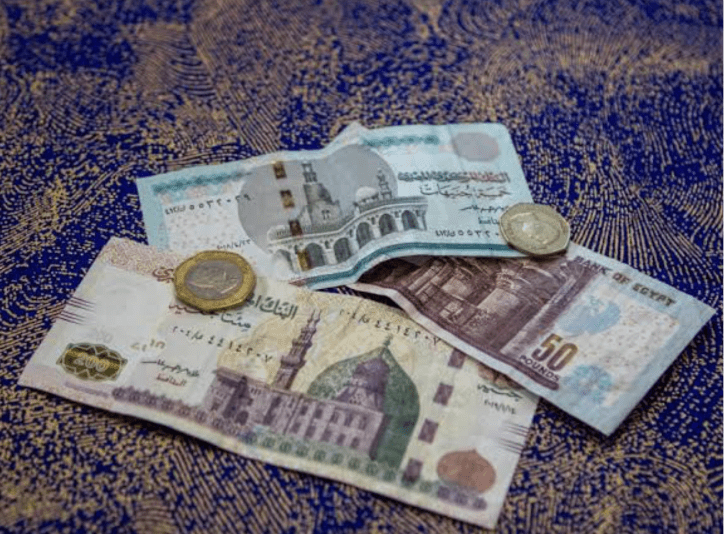
The Egyptian Pound (EGP)
Egypt’s official currency is the Egyptian Pound, abbreviated as EGP or represented by the symbol E£.
You’ll also hear locals simply refer to it as “the pound.”
One Egyptian pound is divided into 100 piastres, although very small coins are now rarely used in everyday transactions. Most prices are rounded to the nearest whole pound.
Prices throughout Egypt are almost always displayed in Egyptian pounds, even in tourist areas. While a handful of hotels or tour operators may quote prices in US dollars or euros, nearly all day-to-day purchases—including restaurants, taxis, cafés, supermarkets, entrance tickets, and small shops—are paid in Egyptian pounds.
Should You Bring Cash or Exchange Money Before You Travel?
For most visitors, there is no need to exchange large amounts of money before arriving in Egypt.
Exchange rates offered outside Egypt are often less favorable, and many overseas banks don’t regularly stock Egyptian pounds.
Instead, most travelers choose one of three options after arrival:
- Withdraw Egyptian pounds from an ATM.
- Exchange a small amount of foreign currency at a bank or licensed exchange office.
- Use a credit card where accepted and carry cash for smaller purchases.
This approach usually provides better exchange rates while avoiding the need to carry large amounts of cash during your journey.
Using ATMs in Egypt
For most international visitors, ATMs are the easiest and most cost-effective way to obtain Egyptian pounds.
ATMs are widely available in:
- Cairo
- Giza
- Alexandria
- Luxor
- Aswan
- Hurghada
- Sharm El Sheikh
- Most large shopping centers
- Airports
- Major hotels
Many machines offer an English-language option and accept international Visa and Mastercard debit or credit cards.
Although ATMs are common in major destinations, they become less frequent in smaller towns and rural areas. If you’re traveling on a Nile cruise or visiting remote desert destinations, it’s wise to withdraw enough cash beforehand.
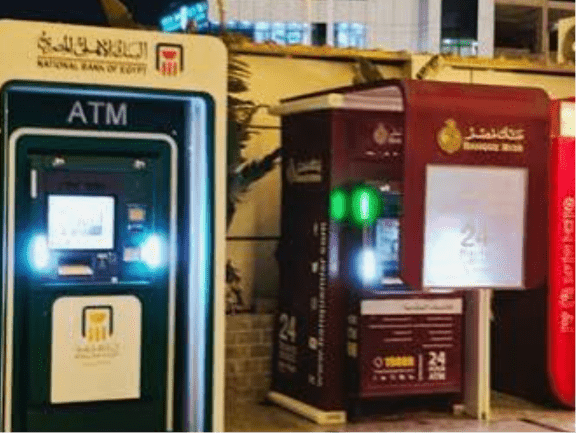
Which Banks Are Best?
Most travelers report reliable service from ATMs operated by major Egyptian banks, including:
- National Bank of Egypt (NBE)
- Banque Misr
- Commercial International Bank (CIB)
- Banque du Caire
- QNB Al Ahli
Using bank-operated ATMs is generally preferable to independent cash machines, particularly in busy tourist areas.
Should You Accept Dynamic Currency Conversion?
When withdrawing money or paying by card, you may occasionally be asked whether you’d like to pay in your home currency instead of Egyptian pounds.
The correct choice is almost always:
Decline the conversion and choose Egyptian pounds (EGP).
This allows your own bank or card network to determine the exchange rate, which is typically more favorable than the rate offered through Dynamic Currency Conversion (DCC).
Can You Use Credit Cards in Egypt?
Credit and debit cards are becoming increasingly common, especially in larger cities.
You’ll generally be able to use Visa and Mastercard at:
- Hotels
- Larger restaurants
- Shopping malls
- Supermarkets
- Domestic airlines
- Major museums and attractions
- Many established tour companies
However, smaller businesses often accept cash only.
This commonly includes:
- Local cafés
- Traditional restaurants
- Street food vendors
- Small souvenir shops
- Independent taxis
- Some local markets
For that reason, carrying a reasonable amount of Egyptian pounds each day is still recommended.
Mobile Payments
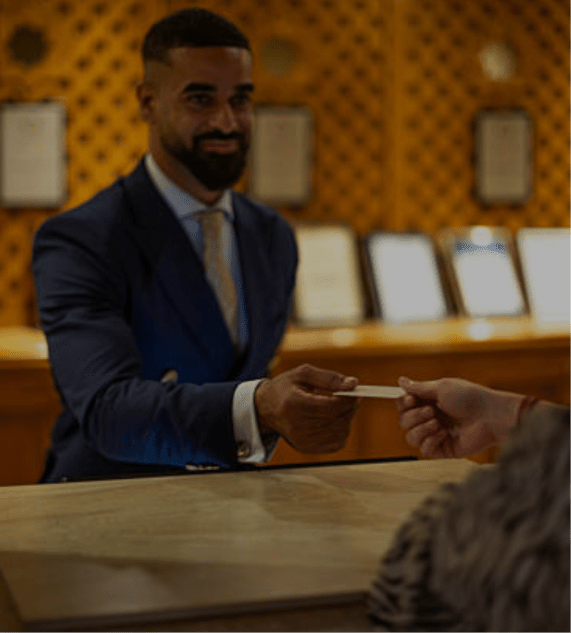
Contactless card payments are increasingly available in larger businesses.
Apple Pay, Google Pay, and other mobile wallets may work where contactless terminals are installed, but availability is inconsistent compared with many Western countries.
It’s best to view mobile payments as a convenience rather than your primary payment method.
How Much Cash Should You Carry?
There’s no need to carry large amounts of cash throughout the day.
For most travelers, enough Egyptian pounds to cover:
- Meals
- Tips
- Local transportation
- Small purchases
- Unexpected expenses
is usually sufficient.
Keep the remainder securely stored in your hotel safe and withdraw additional cash when necessary.
Can You Pay in US Dollars or Euros?
Some tourism-related businesses—including certain hotels, Nile cruises, and tour operators—may quote or accept payment in foreign currencies.
However, this should not be assumed for everyday purchases.
Outside these situations, Egyptian pounds remain the standard currency for daily life. Using local currency generally makes transactions easier and avoids confusion over exchange rates.
Exchanging Foreign Currency
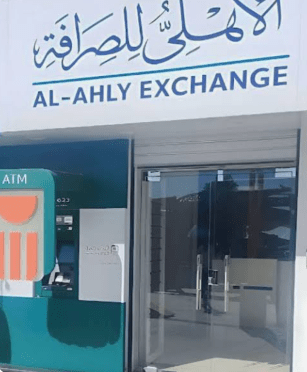
If you prefer not to use ATMs, foreign currency can usually be exchanged at:
- Egyptian banks
- Licensed exchange offices
- Cairo International Airport
- Major hotels (often at less competitive rates)
US dollars, euros, and British pounds are among the easiest currencies to exchange.
Always count your money before leaving the counter and keep your receipt until you’ve completed your trip.
Are ATMs Safe?
ATMs located inside banks, shopping malls, airports, and major hotels are generally the safest choice.
As with anywhere in the world:
- Avoid withdrawing large sums late at night.
- Shield your PIN while entering it.
- Be aware of your surroundings.
- Store cash securely after withdrawing it.
Common Money Mistakes Visitors Make
Many first-time visitors run into the same avoidable problems.
One of the most common is relying entirely on credit cards, only to discover that a café, taxi, or local shop accepts cash only. Another is carrying too much cash throughout the day instead of withdrawing smaller amounts as needed.
Some travelers also accept Dynamic Currency Conversion without realizing it often results in a poorer exchange rate. Others exchange all their money at the airport before comparing rates elsewhere.
A little preparation before arriving makes paying for everyday purchases much easier throughout your trip.
Quick Answer
For most visitors, the simplest strategy is to use ATMs to withdraw Egyptian pounds after arriving, pay by card whenever practical, and carry enough cash for smaller businesses, tips, transportation, and markets. This combination offers both convenience and flexibility while minimizing unnecessary exchange costs.
Should You Exchange Money at the Airport?
Exchanging a small amount at the airport can be convenient if you immediately need cash for snacks, transportation, or other minor expenses after arriving.
However, airport exchange counters do not always offer the most competitive rates. Many travelers prefer to withdraw cash from an airport ATM instead or exchange only a small amount upon arrival before obtaining additional Egyptian pounds later from a bank or ATM in the city.
Unless you are arriving very late or your bank card cannot be used internationally, there is usually no need to exchange all of your spending money at the airport.
Paying Entrance Fees
One area where Egypt differs from some other destinations is at its major archaeological sites.
Official admission tickets for attractions such as the Giza Plateau, Karnak Temple, Luxor Temple, Philae Temple, Abu Simbel, and many museums are sold in Egyptian pounds, whether purchased online through the official ticketing system or at the ticket office where available.
Because entrance fees can represent one of the largest daily expenses during an Egypt itinerary, it’s sensible to ensure you have sufficient funds available before beginning a day of sightseeing.
If purchasing tickets on-site, check in advance whether card payments are accepted at your chosen attraction. Although electronic payments continue to expand, acceptance may vary between locations and systems occasionally experience outages.
Tipping in Egypt
Tipping—known locally as baksheesh—is a normal part of everyday life in Egypt.
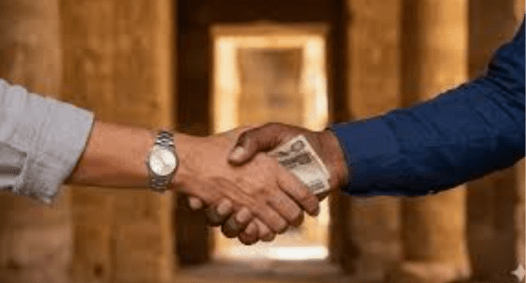
While larger hotels and restaurants may allow gratuities to be added by card, many tips are still given in cash. Carrying a supply of smaller Egyptian-pound notes makes tipping much easier than relying on larger denominations.
Rather than withdrawing large amounts of cash specifically for tips, many experienced travelers simply keep a small wallet or separate pocket with low-value notes for porters, restroom attendants, drivers, and other everyday situations.
For a detailed explanation of customary tipping practices, see our guide:
→ Tipping in Egypt: When, Where & How Much
Can You Use Foreign Bank Cards?
Most international Visa and Mastercard debit and credit cards work without difficulty at major Egyptian ATMs and merchants, provided they have been enabled for overseas transactions by your bank.
Before traveling, it is worth checking:
- Whether your bank charges foreign transaction fees.
- Daily ATM withdrawal limits.
- Daily purchase limits.
- Whether your card requires travel notification.
- Emergency contact numbers if your card is lost or blocked.
Having a second payment card from a different bank can also provide peace of mind should one card be declined or damaged during your trip.
What About American Express and Discover?
Visa and Mastercard are by far the most widely accepted international card networks in Egypt.
American Express is accepted by some international hotels, airlines, and higher-end businesses but is significantly less common elsewhere.
Discover cards have very limited acceptance.
Travelers relying primarily on American Express or Discover should carry an alternative payment method.
Should You Carry a Backup Payment Method?
Yes.
Even if you intend to use cards for most purchases, it’s wise to carry:
- A second bank card stored separately.
- Some Egyptian pounds in cash.
- A small amount of emergency foreign currency if desired.
Power outages, temporary banking-system issues, damaged cards, or network interruptions can occasionally affect electronic payments. Having a backup helps avoid unnecessary stress.
Frequently Asked Questions
Can I use US dollars everywhere in Egypt?
No. While some hotels, tour companies, and tourism businesses may accept US dollars, everyday purchases are generally made in Egyptian pounds.
Is cash or card better in Egypt?
A combination of both works best. Cards are convenient for hotels and larger businesses, while cash remains important for smaller purchases, transportation, tips, markets, and local restaurants.
Should I exchange money before arriving?
Usually not. Most travelers obtain Egyptian pounds after arrival using an ATM or licensed exchange office.
Are ATMs easy to find?
Yes, throughout Cairo, Giza, Alexandria, Luxor, Aswan, Hurghada, Sharm El Sheikh, airports, shopping malls, and major tourist areas.
Can I pay for the Pyramids with a credit card?
Payment methods can vary depending on whether tickets are purchased online or at the ticket office. Check the current payment options before your visit. Official monument tickets are priced in Egyptian pounds.
Related Egyptian Nile Adventures Articles
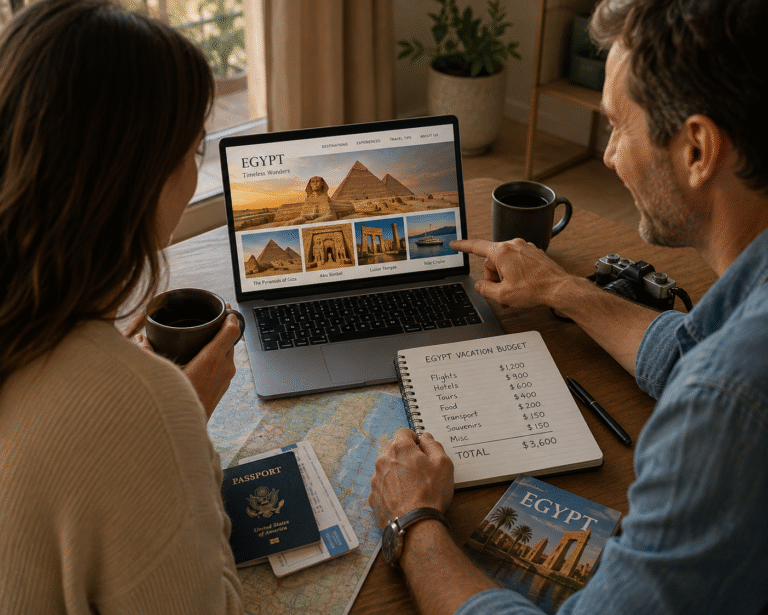
Understanding how money works is only one part of preparing for your trip. These guides will help you budget realistically and avoid common first-time visitor mistakes.
Continue Planning Your Trip
- Egypt Travel Costs: How Much Does a Trip Cost? – Build a realistic budget for accommodation, transport, attractions, and daily expenses.
- Tipping in Egypt: When, Where & How Much – Learn when tipping is expected and what is considered appropriate.
- Is Egypt Safe for Tourists? – Practical advice on staying safe throughout your visit.
- How Many Days Do You Need in Egypt? – Plan an itinerary that matches your time and budget.
- First-Time Visitor’s Guide to Egypt – A complete roadmap for planning your first trip.
- Egypt Transportation Guide – Compare domestic flights, trains, ride-hailing apps, taxis, and private transfers.
Conclusion
Managing money in Egypt is generally straightforward once you understand that the country still relies heavily on cash for many everyday transactions. While hotels, larger restaurants, shopping malls, and many tourism businesses accept international cards, Egyptian pounds remain essential for local transportation, markets, cafés, smaller shops, and tipping.
For most visitors, the simplest approach is to withdraw Egyptian pounds from reputable bank ATMs after arrival, use credit cards where accepted, and carry enough cash for daily expenses rather than large sums. Declining Dynamic Currency Conversion, keeping a backup payment method, and carrying smaller notes for tips and minor purchases will help make paying for goods and services much easier throughout your trip.
With a little preparation before you travel, you’ll spend less time worrying about payments and more time enjoying everything Egypt has to offer. Learn more about Egypt’s official currency and banking system.